




When we talk about “Times an Seasons.” it can have wide implications – “Times and seasons.” It’s a phrase often spoken with reverence, a simple expression with profound implications. On the surface, it may seem to mark the natural flow of days, months, and years—the shifting from summer’s warmth to winter’s chill, the quiet rhythms of planting and harvest, or the inevitability of sunrise and sunset. But beneath this poetic veneer lies a concept that is far deeper, one that has shaped human understanding, shaped civilizations, and defined personal journeys.
“Times and seasons” speaks not only of the passage of time but of the appointed moments in our lives—those critical junctures where events align, where decisions are made, and where destinies unfold. It calls us to consider the timing of things, not merely as a function of the clock or calendar, but as a divine orchestration, a pattern we often perceive only in hindsight. In the biblical tradition, this phrase is loaded with spiritual significance. The writer of Ecclesiastes declares that “to everything there is a season, and a time to every purpose under heaven.” These words remind us that life unfolds according to a rhythm and plan that is often beyond our control or comprehension. There are times for sowing and times for reaping, moments of joy and seasons of grief, and each one has its place in the grand narrative of existence.
But “times and seasons” also invites us into reflection on the wider implications—on history, on culture, and on our own personal stories. It challenges us to consider the shifts and turning points in the world around us. What season are we living in, not just individually, but as a community, a nation, or even humanity itself? Is this a time for building or for tearing down? A season of peace or a season of upheaval?
On a personal level, it can help us frame our own experiences. We all go through seasons, times when things fall apart and times when they come together, times of clarity and times of confusion. Recognizing the season we are in helps us respond wisely—whether by waiting patiently in winter’s stillness or by acting boldly in summer’s abundance.


Roni cooking up a storm

Click on this Link to Listen this Programme:
Happy New Year!

The implications of these ideas ripple out even further. For those who believe in divine sovereignty, the phrase serves as a reminder. We are not the ultimate masters of time. Seasons come and go, often without our consent. Yet, even in the face of this lack of control, there is a hope. This hope is embedded in the idea of seasons. They change. The cold of winter does not last forever; the dryness of drought gives way to the rains. Just as nature cycles through its phases, so too do our lives and the world around us.

In a world that often demands instant results and constant progress, “times and seasons” urges us to embrace the process. It encourages us to trust the unfolding and find meaning in every phase. It is a recognition that the seasons we pass through—individually and collectively—are not random. They are part of a larger story, one in which every moment, every transition, has purpose. T. S. Eliot focuses on despair in poems like The Waste Land and The Hollow Men. This focus reflects his deep engagement with the cultural, spiritual, and existential crises of his time. It also showcases his own personal struggles. Here are several reasons for this focus:1.
Cultural and Historical Context
2. Philosophical Influences
3. Personal Struggles
4. Religious Quest
5. Themes in The Waste Land and The Hollow Men
6. T.S. Eliot’s Ash Wednesday (1930) is a deeply personal and spiritual poem, marking Eliot’s turn towards Christianity after his conversion to Anglicanism in 1927. It reflects his struggles with faith, doubt, and redemption, encapsulating themes of spiritual renewal and the tension between worldly attachments and divine aspirations.
The poem is structured into six sections, weaving fragmented imagery, liturgical language, and a meditative tone. It explores the journey of a soul turning away from despair and secular distractions, yearning for spiritual transformation and divine grace. The “Ash Wednesday” reference ties to the Christian observance of repentance and mortality, emphasising the soul’s need for humility and hope in the face of human frailty.
Eliot’s use of symbolism, paradox, and allusion creates a complex and layered work that invites contemplation on the challenges and rewards of faith.

6. Symbolism of Despair
Eliot’s obsession with despair is not merely a fixation but a tool to explore the human condition. He presents despair in its starkest form. This approach forces readers to confront the emptiness of modern life. It leads them to consider the possibility of renewal, whether through faith, art, or human connection.
Eliot explores despair through several angles. It results from his historical moment, philosophical influences, personal struggles, and spiritual quest. His poetry serves as both a diagnosis of and a response to the crises of his time.
This timeless truth is significant in various ways. It may be seen through a spiritual, philosophical, or practical lens. It reminds us to align ourselves with the rhythms of life and time. We should embrace them rather than resist them. Seasons will come and go, but how we engage with them defines the legacy we leave behind.
What do we make of the expression: “Now is God’s appointed time for me, and You?” The phrase is personal and universal. It invites us into a deeply meaningful narrative. It is a moment pregnant with meaning, poised between divine providence and human response. The speaker identifies God’s eternal plan converging with the present moment’s immediacy. This is a kairos — the sacred intersection where time and purpose meet.
Imagine a traveler on a journey, worn and weary, pausing at the edge of a river. The path they have walked is full of twists and turns. There are triumphs and regrets. Yet they stand now before an unseen bridge. Only faith can reveal this bridge. The traveler senses a voice, still and small yet unmistakably commanding: Now is the time. The words do not thunder from the heavens; rather, they resonate within, like a melody long forgotten but instantly remembered.
In this moment, the traveler realizes the truth. God’s appointed time is not a distant promise. It is not a future hope. It is here, now, demanding a response. It encourages the traveler to step forward. The traveler must trust that the unseen bridge will hold. They must embrace both the uncertainty and the calling.
But this declaration, “Now is God’s appointed time,” is not solitary. It includes “You.” The phrase is a reminder that divine purpose is never lived in isolation. It suggests a shared calling, a communal moment of reckoning. The “You” could be a friend, a stranger, a congregation, or even the collective human family. It acknowledges that God’s timing is relational, inviting others into the story of faith, repentance, renewal, or action.
In this narrative, the phrase becomes both a challenge and a comfort. It challenges us to recognize the urgency of the present. We need to awaken to the reality that God’s timing is not measured by human clocks. It is measured by the alignment of divine intention and earthly opportunity. It comforts us with the assurance that this moment is not random—it is purposed. God has orchestrated this time for transformation, for stepping into a destiny that is uniquely ours yet intertwined with others.
So, what do we make of this expression? We see it as a call to action and trust. It reminds us that God’s purposes unfold not in abstract futures but in the living, breathing now. It invites us to live fully present. We should be aware that this moment, though fleeting, is eternally significant—for me, and for you.
Prophet Phillip Banda
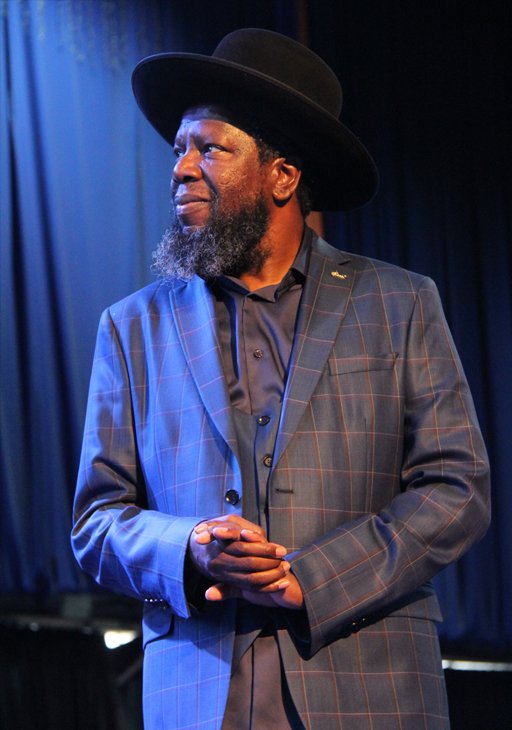
Prophet Philip Banda, founder of Impact for Christ Ministries (IFCM), focuses on faith. He emphasizes healing in his teachings. He also stresses a strong devotion to prayer. He also expresses a particular love for Israel and the Jewish people. Many of his teachings align with Pentecostal and charismatic Christian beliefs. However, several factors could raise questions about their orthodoxy. This depends on specific doctrines he promotes and practices within his ministry.
Factors to Evaluate
- Emphasis on Healing and Prophecy: Pentecostal and charismatic movements often emphasize prophecy, miracles, and healing. While these are biblical, excessive focus or deviation from scriptural boundaries (e.g., elevating the prophet above Christ or Scripture) could lead to doctrinal concerns.
- Public Teachings: It’s important to examine his public sermons and writings for clarity and alignment with Scripture. Are they Christ-centered, rooted in the Bible, and focused on repentance, grace, and the gospel?
If you have access to specific teachings or doctrinal statements from Prophet Philip Banda, please share them. I can help analyze them for alignment with orthodox Christian theology.
The teachings and ministry of Prophet Philip Banda at Impact for Christ Ministries (IFCM) align with several core aspects. These aspects are part of orthodox Christian doctrine. This conclusion is based on the available information.
- Salvation by Grace through Faith:While specific statements on salvation are not detailed in the provided sources, the ministry’s mission to “proclaim the Kingdom of God by preaching the Gospel of the Lord Jesus Christ through the power of The Holy Spirit” implies a focus on evangelism and the message of salvation.
However, without a detailed doctrinal statement, assessing Prophet Banda’s adherence to all aspects of orthodox Christian doctrine is challenging. There are no explicit affirmations of specific creedal formulations like the Nicene Creed.


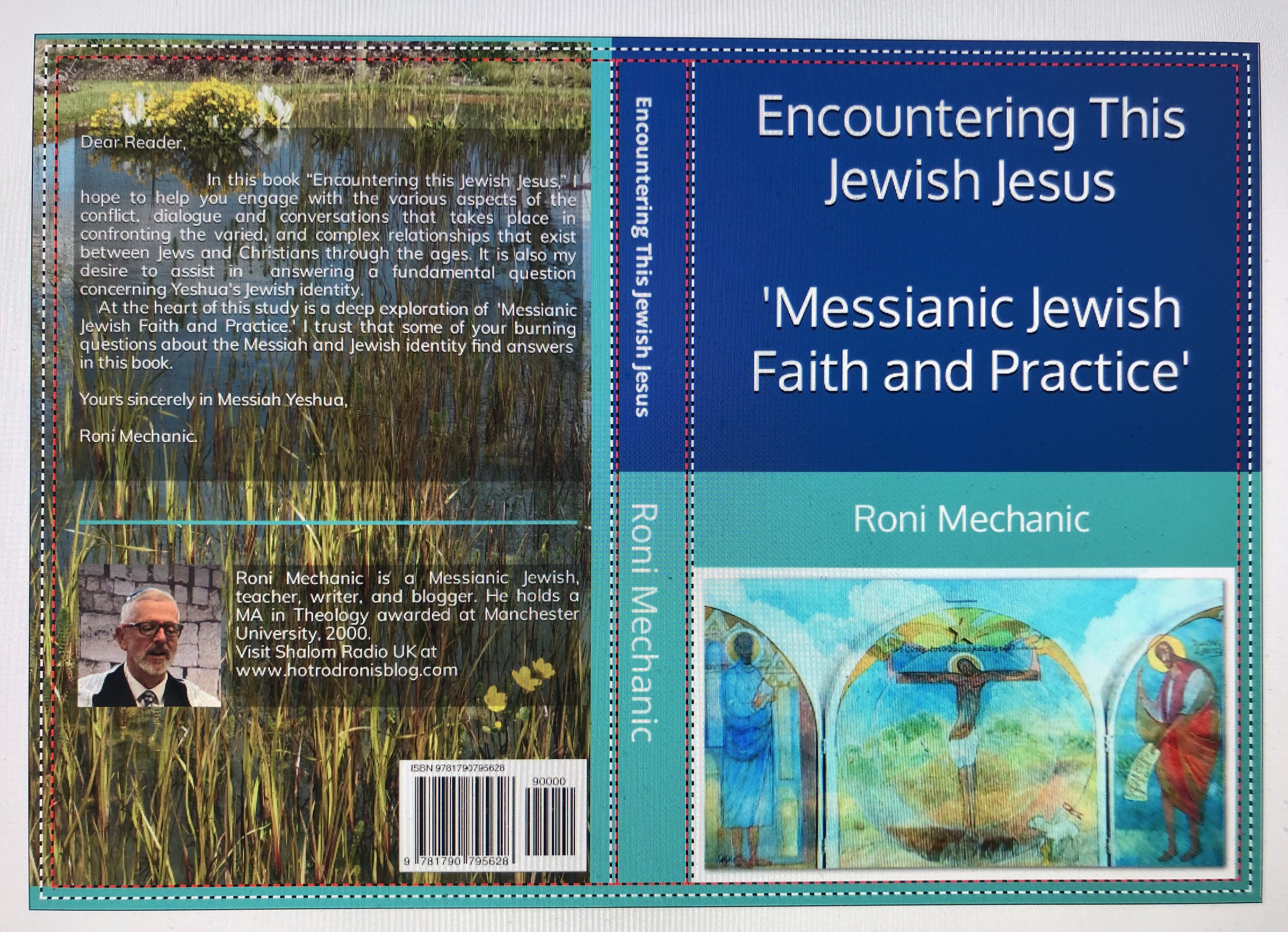
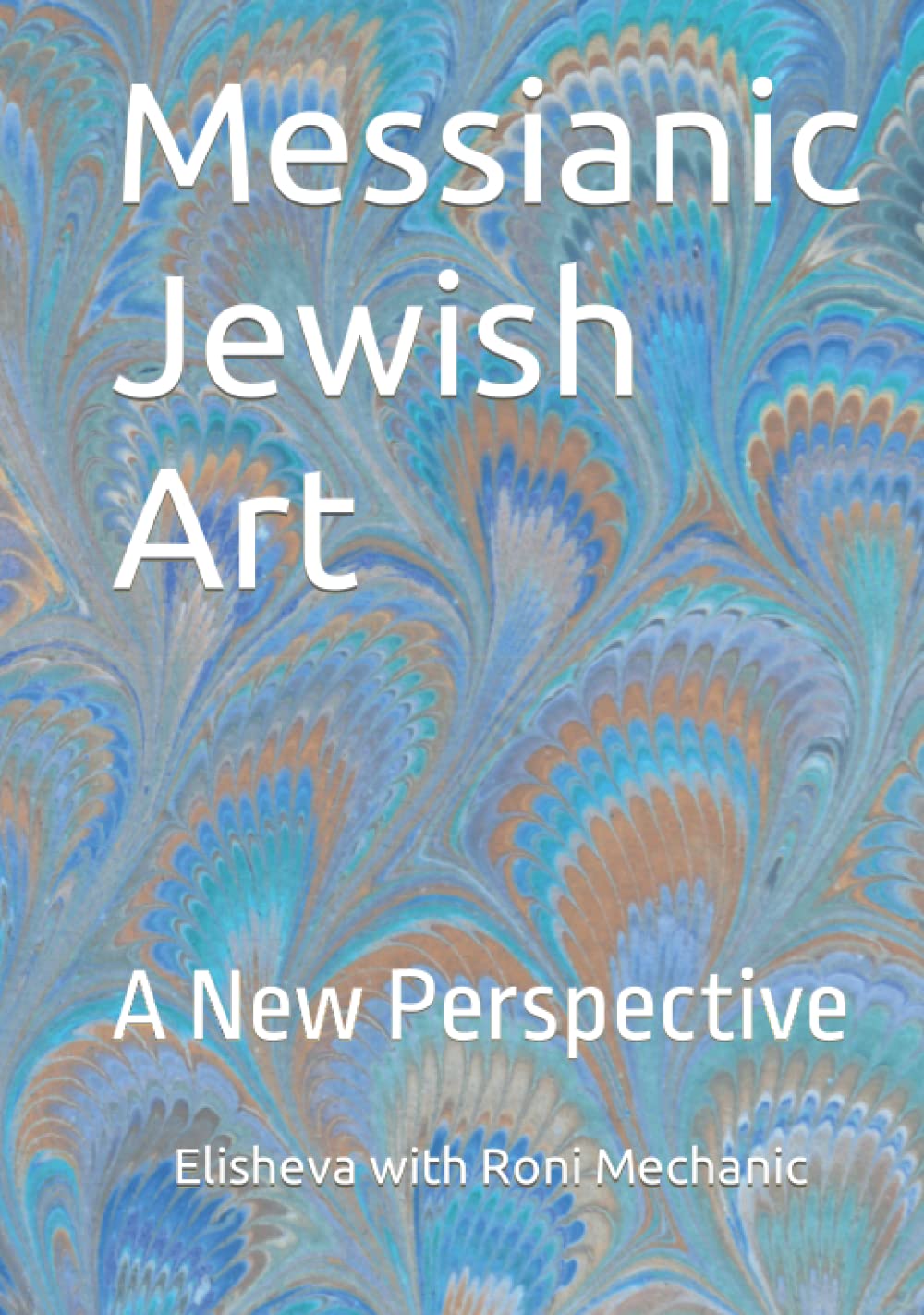
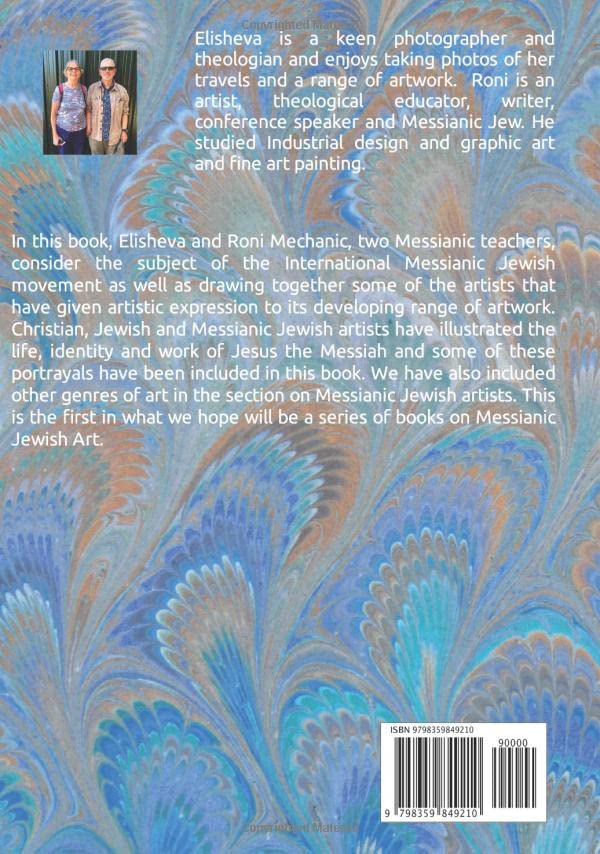
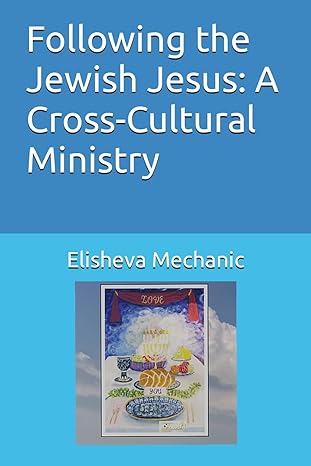
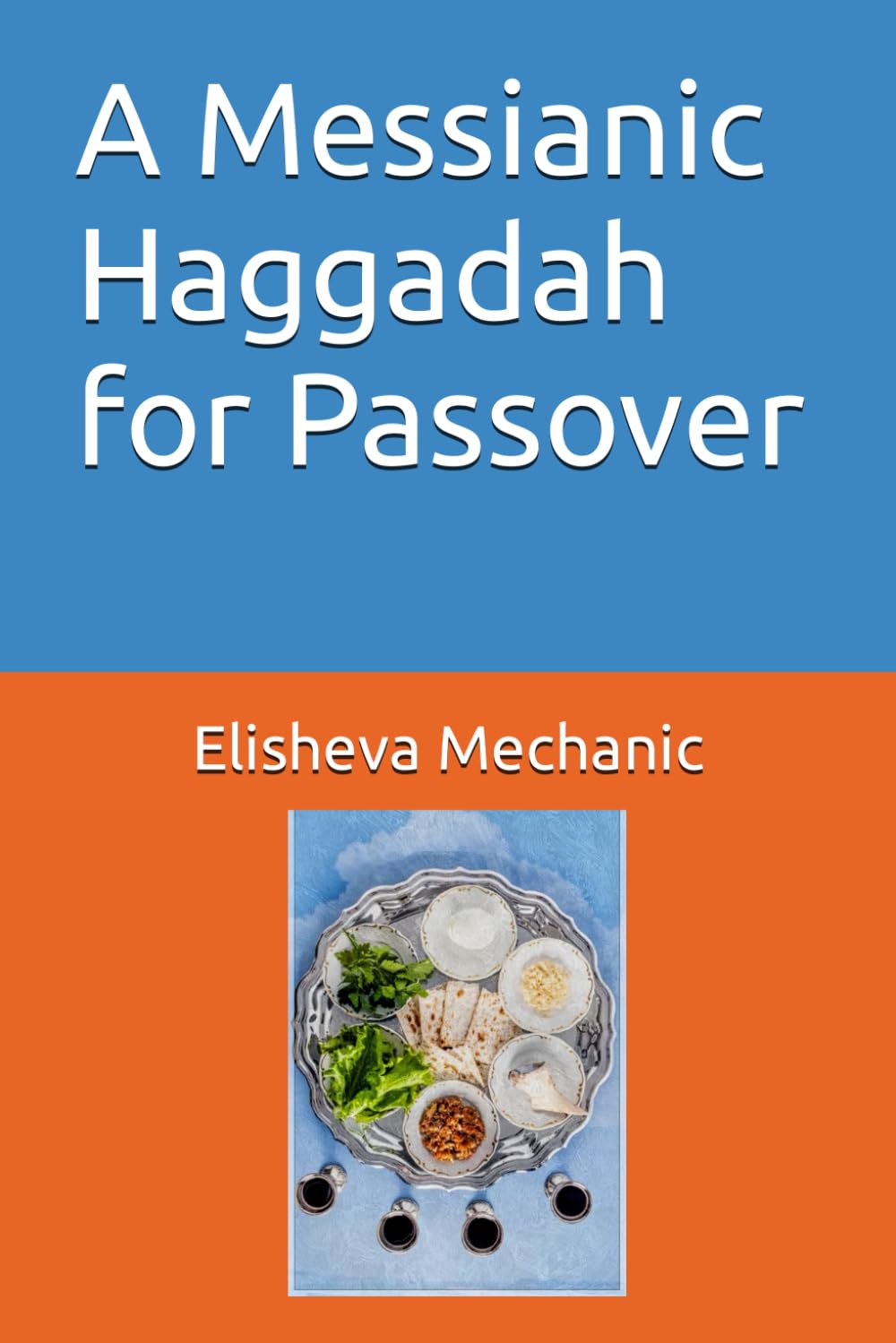
Books Published by Roni & Elisheva Mechanic:
Discover a captivating collection of literary works authored by Roni and Elisheva Mechanic, showcasing their unique storytelling talent and creative insights. These Books are available through Amazon.


Please make a charitable donation towards the running cost of this blog:

Help me cover the running costs of this blog:
Click on this link to donate now!
https://paypal.me/hotrodronisblogcom

Shalom Radio UK ––
MTMI –– Messianic Teaching Ministry International
