Shalom Radio UK is an independent radio blog sponsored by MTMI – Messianic Teaching Ministry International. We are non-aligned and non-sectarian. We present a Messianic Jewish Perspective.
This month, it is our pleasure to welcome:
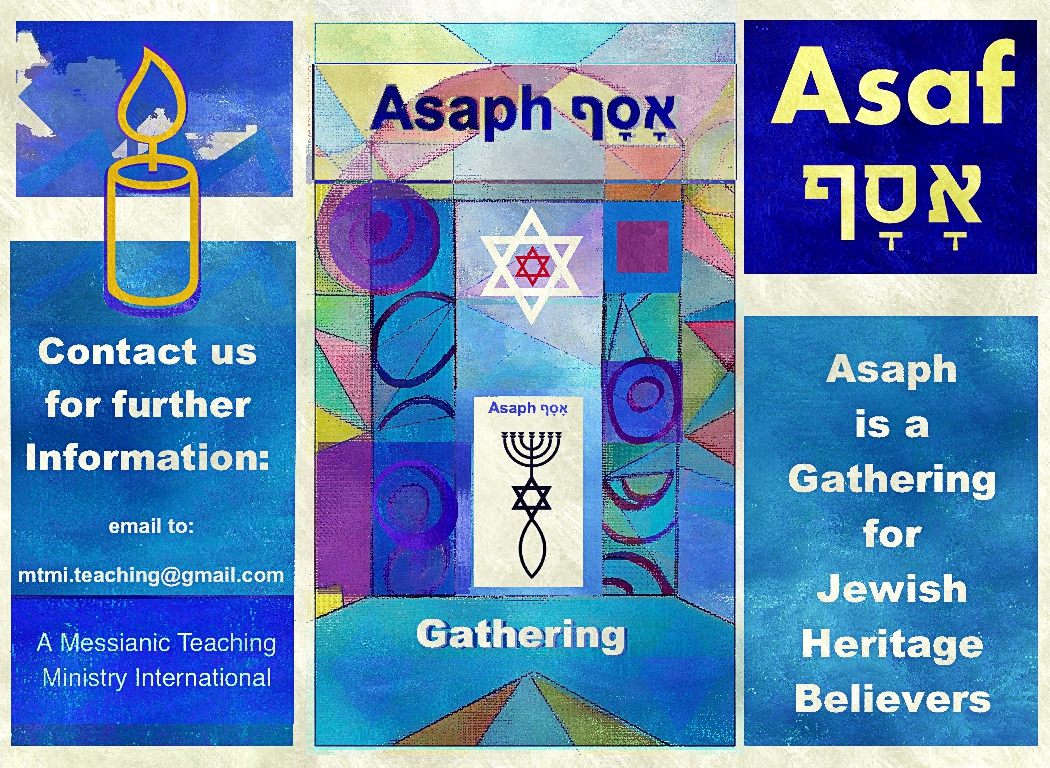
Asaph which is co-sponsored by CMJ UK – The Church’s Ministry Among Jewish People
Asaph is an online gathering of Jesus-believing-Jews and those from a Jewish heritage that meets monthly:
When you mail us, ask for more information about the Asaph meetings. We will put you in contact with one of the team members.
Who is Asaph?
When we ask, “Who is Asaph?”, we discover a fascinating figure from the biblical tradition. The name Asaph is commonly understood to mean “gatherer,” and he is remembered as a collector and composer connected with the Psalms.
The Psalms of Asaph — found in Psalm 50 and Psalms 73–83 — form a collection of twelve deeply reflective and often sombre songs. Asaph was a Levite musician, worship leader, and prophetic voice appointed during the reign of King David, serving before the Ark of the Covenant.
These Psalms are not merely songs of praise; they are honest conversations with God. They wrestle with some of life’s most difficult questions: Why do the wicked appear to prosper? Why do the faithful suffer? Where is God when His people experience pain and crisis?
One of the central themes in Asaph’s writings is the prosperity of the wicked. In Psalm 73, Asaph openly admits his struggle as he looks at the arrogant and successful, wondering why those who reject God seem to flourish. Yet, through his encounter with God, his perspective changes. He comes to recognise that earthly success is temporary, while God’s justice and faithfulness endure forever.
Another important theme is true worship versus empty ritual. In Psalm 50, God reminds His people that He is not seeking religious activity without genuine devotion. God desires gratitude, obedience, and a heart that is truly committed to Him rather than outward acts performed without sincerity.
The Psalms of Asaph also express national grief and crisis. Psalms such as 74 and 79 give voice to the sorrow of a people experiencing devastation, including the destruction of the Temple. These prayers reveal the pain of asking why God seems silent during times of suffering.
Yet, throughout these Psalms, there is a powerful message of hope. Although Asaph begins with confusion, sorrow, and uncertainty, he repeatedly returns to the truth that God remains sovereign. Human circumstances may change, but God’s presence, justice, and faithfulness remain constant.
These Psalms were written not only for worship but also for instruction. They remind future generations to remember God’s mighty works, remain faithful during hardship, and trust Him even when the path ahead appears uncertain.
One of the most beautiful expressions of renewed faith is found in Psalm 73:
“Yet I am continually with You; You hold me by my right hand. You guide me with Your counsel, and afterward receive me to glory.” — Psalm 73:23–24
The journey of Asaph teaches us that faith does not mean the absence of questions. Rather, it means bringing our deepest struggles before God and discovering that, even in the darkest moments, He remains present, guiding, and holding us by His hand.
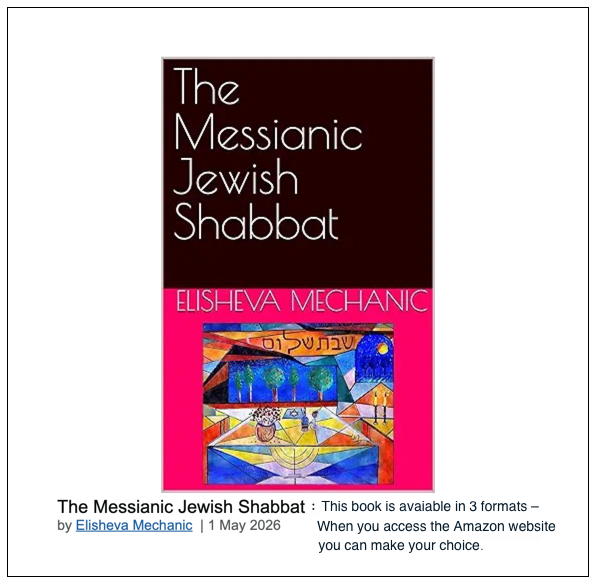
A Messianic Jewish Shabbat – Celebrating the Sabbath – With Elisheva Mechanic who is the author of The Messianic Jewish Shabbat.
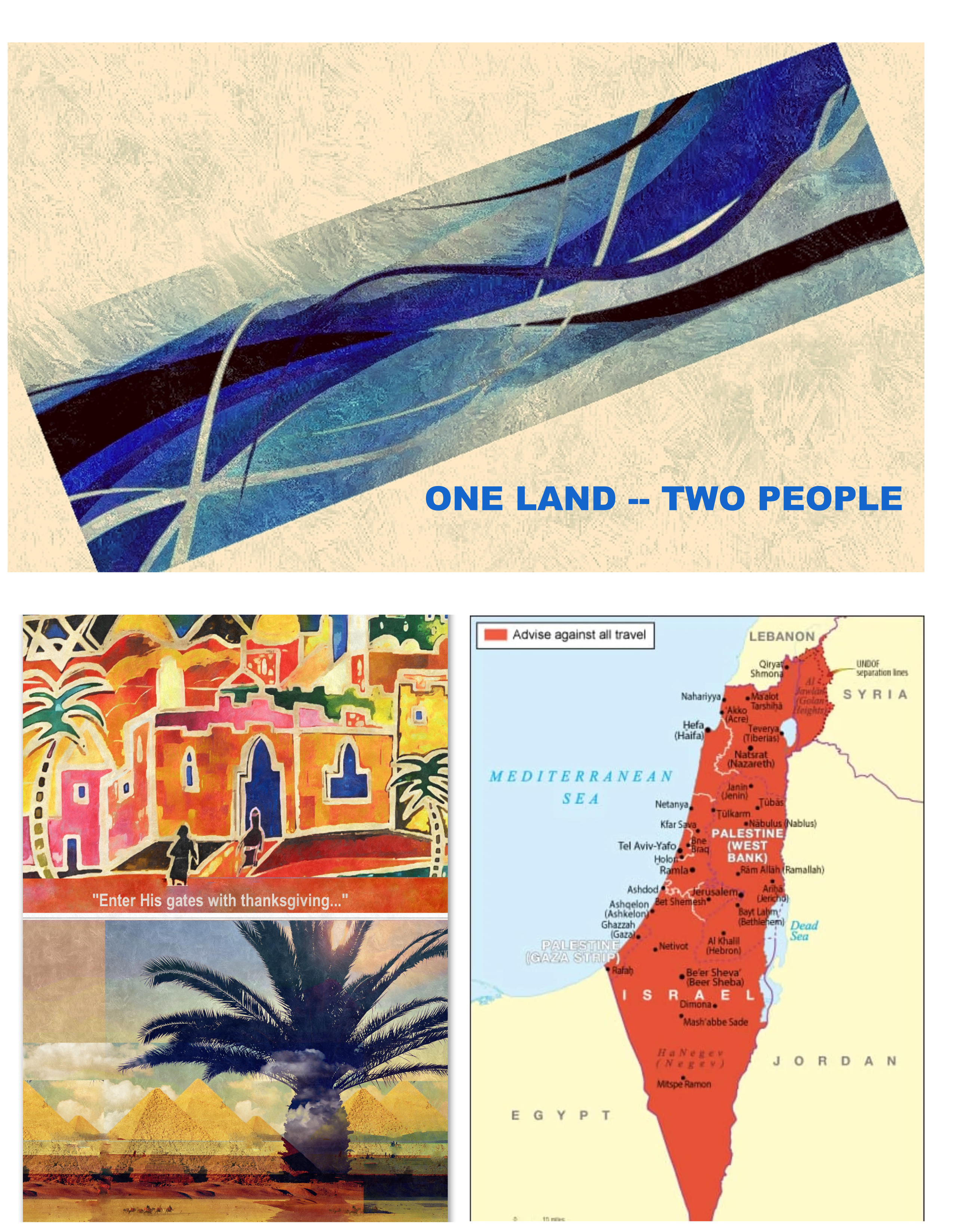
The Intractable Problem of the Jewish––Arab Claims and Counter Claims as to Who Does this Land Belong To?
Click below to listen:
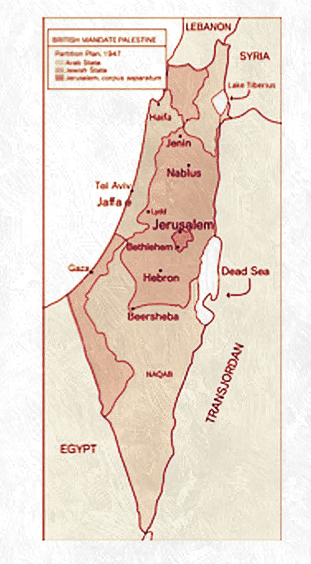
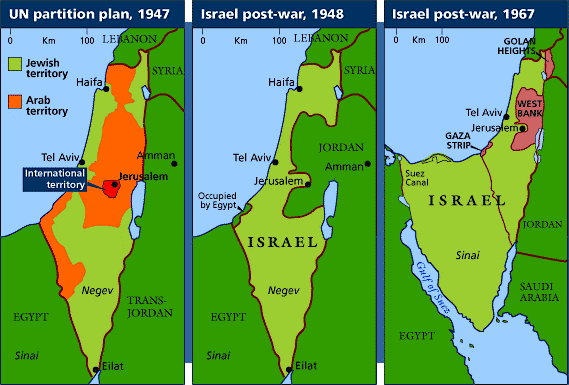
The British Mandate of Palestine ended with the 1947 Partition Plan. It was accepted by the Jews but rejected by the Arabs. In 1948, five Arab nations declared war on the fledgling Jewish state. And Israel to the Surprise of All won that War and Increased the Size of Her Territory – Israel’s Territory was the Cream Coloured Land and the Orange was the Arabs Land in the 1947 Patrician Plan
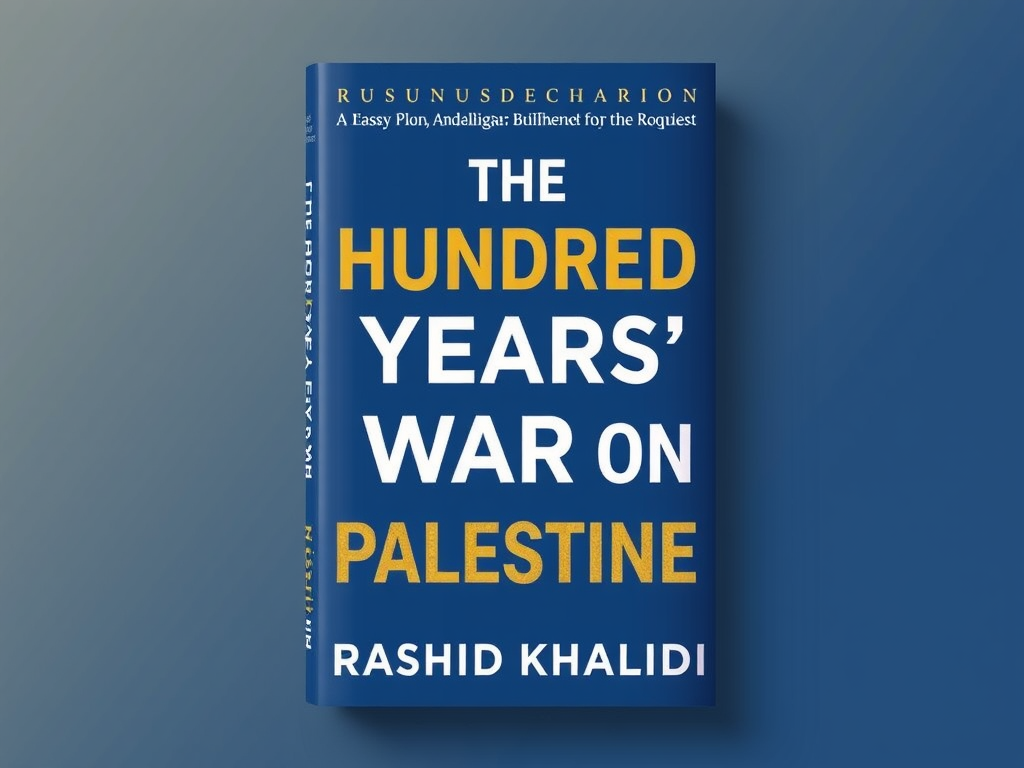
The Narrative is told by a Palestinian Academic, Rashid Khalidi. He is an out and out Palestinianist and anti-Zionist.
How are we to respond to the continued Palestinian ‘Resistance?’
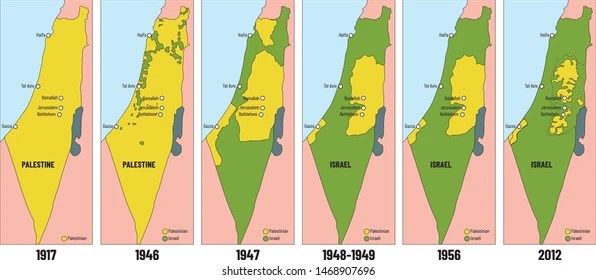
In a Nut-shell – the Jews stole Palestine, and are Settlers, and Colonialist. They have no legitimate rights to the Land of Palestine. Zionism is a form of Imperialist Colonialism. It has continued for over 129 years. It is totally illegitimate.
‘From the River (Jordan) to the Sea (Mediterranean).’
‘Juden-Rein – Jews Free!’ Tough nuts on the hapless Jews – You have brought it upon yourselves…blah, blah, blah. The sickness of Palestinianist thinking knows no limit –
So, how are we to respond? Yet is there not another way?
The Return Of Jews To Israel
The Arab figure most prominently associated with assisting Adolf Hitler and Nazi Germany during World War II was Hajj Amin al-Husseini (also spelled Haj Amin al-Husseini), the Grand Mufti of Jerusalem.
Arab Rejectionist Mentality –– Though Israel has continually from 1947 offered to give the Arabs their own state of Palestine, this offer has been repeated several times. Despite this, each proposal has been rejected consistently.
Today, “The Two-State,” choice is all but dead – The ARABS HAVE THEMSELVES TO BLAME!
But God!
What does Scripture say about Israel, and Jewish future?
Therefore say, ‘Thus says the Lord God: I will gather you from the peoples and assemble you out of the countries where you have been scattered, and I will give you the land of Israel.’
Then you will call upon me and come and pray to me, and I will hear you. You will seek me and find me, when you seek me with all your heart. I will be found by you, declares the Lord, and I will restore your fortunes and gather you from all the nations and all the places where I have driven you, declares the Lord, and I will bring you back to the place from which I sent you into exile. “Because you have said, ‘The Lord has raised up prophets for us in Babylon,’ thus says the Lord concerning the king who sits on the throne of David, and concerning all the people who dwell in this city, your kinsmen who did not go out with you into exile: …
Behold, a day is coming for the Lord, when the spoil taken from you will be divided in your midst. For I will gather all the nations against Jerusalem to battle, and the city shall be taken and the houses plundered and the women raped. Half of the city shall go out into exile, but the rest of the people shall not be cut off from the city. Then the Lord will go out and fight against those nations as when he fights on a day of battle. On that day his feet shall stand on the Mount of Olives that lies before Jerusalem on the east, and the Mount of Olives shall be split in two from east to west by a very wide valley, so that one half of the Mount shall move northward, and the other half southward. And you shall flee to the valley of my mountains, for the valley of the mountains shall reach to Azal. And you shall flee as you fled from the earthquake in the days of Uzziah king of Judah. Then the Lord my God will come, and all the holy ones with him. …
Who has heard such a thing? Who has seen such things? Shall a land be born in one day? Shall a nation be brought forth in one moment? For as soon as Zion was in labor she brought forth her children.
Lest you be wise in your own sight, I do not want you to be unaware of this mystery, brothers: a partial hardening has come upon Israel, until the fullness of the Gentiles has come in.
I ask, then, has God rejected his people? By no means! For I myself am an Israelite, a descendant of Abraham, a member of the tribe of Benjamin. God has not rejected his people whom he foreknew. Do you not know what the Scripture says of Elijah, how he appeals to God against Israel? “Lord, they have killed your prophets, they have demolished your altars, and I alone am left, and they seek my life.” But what is God’s reply to him? “I have kept for myself seven thousand men who have not bowed the knee to Baal.” So too at the present time there is a remnant, chosen by grace. …
It shall come to pass in the latter days that the mountain of the house of the Lord shall be established as the highest of the mountains, and shall be lifted up above the hills; and all the nations shall flow to it,
“And if you faithfully obey the voice of the Lord your God, being careful to do all his commandments that I command you today, the Lord your God will set you high above all the nations of the earth. And all these blessings shall come upon you and overtake you, if you obey the voice of the Lord your God. Blessed shall you be in the city, and blessed shall you be in the field. Blessed shall be the fruit of your womb and the fruit of your ground and the fruit of your cattle, the increase of your herds and the young of your flock. Blessed shall be your basket and your kneading bowl. …
Jesus left the temple and was going away, when his disciples came to point out to him the buildings of the temple. But he answered them, “You see all these, do you not? Truly, I say to you, there will not be left here one stone upon another that will not be thrown down.” As he sat on the Mount of Olives, the disciples came to him privately, saying, “Tell us, when will these things be, and what will be the sign of your coming and of the end of the age?” And Jesus answered them, “See that no one leads you astray. For many will come in my name, saying, ‘I am the Christ,’ and they will lead many astray. …
For I will gather all the nations against Jerusalem to battle, and the city shall be taken and the houses plundered and the women raped. Half of the city shall go out into exile, but the rest of the people shall not be cut off from the city.
I will gather all the nations and bring them down to the Valley of Jehoshaphat. And I will enter into judgment with them there, on behalf of my people and my heritage Israel, because they have scattered them among the nations and have divided up my land,
“And if you faithfully obey the voice of the Lord your God, being careful to do all his commandments that I command you today, the Lord your God will set you high above all the nations of the earth.
And I saw a beast rising out of the sea, with ten horns and seven heads, with ten diadems on its horns and blasphemous names on its heads. And the beast that I saw was like a leopard; its feet were like a bear’s, and its mouth was like a lion’s mouth. And to it the dragon gave his power and his throne and great authority. One of its heads seemed to have a mortal wound, but its mortal wound was healed, and the whole earth marveled as they followed the beast. And they worshiped the dragon, for he had given his authority to the beast, and they worshiped the beast, saying, “Who is like the beast, and who can fight against it?” And the beast was given a mouth uttering haughty and blasphemous words, and it was allowed to exercise authority for forty-two months. …
And even they, if they do not continue in their unbelief, will be grafted in, for God has the power to graft them in again. For if you were cut from what is by nature a wild olive tree, and grafted, contrary to nature, into a cultivated olive tree, how much more will these, the natural branches, be grafted back into their own olive tree.
“And if you faithfully obey the voice of the Lord your God, being careful to do all his commandments that I command you today, the Lord your God will set you high above all the nations of the earth. And all these blessings shall come upon you and overtake you, if you obey the voice of the Lord your God. Blessed shall you be in the city, and blessed shall you be in the field. Blessed shall be the fruit of your womb and the fruit of your ground and the fruit of your cattle, the increase of your herds and the young of your flock. Blessed shall be your basket and your kneading bowl. …
On that day the Lord made a covenant with Abram, saying, “To your offspring I give this land, from the river of Egypt to the great river, the river Euphrates,
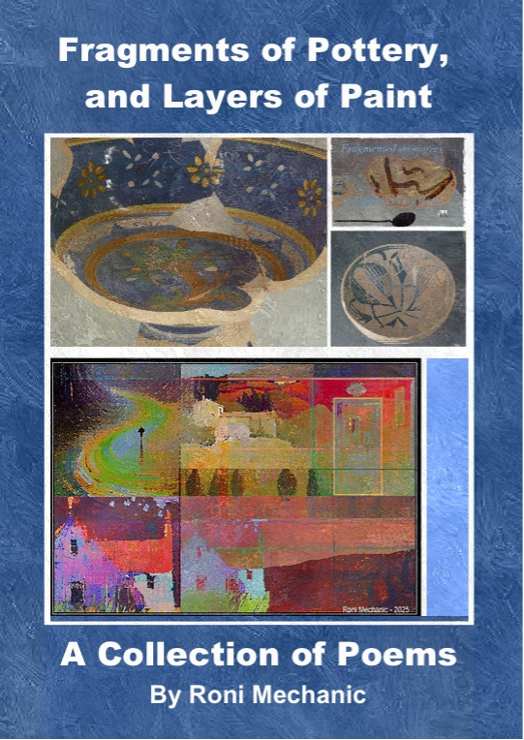
Buy your own copy from Amazon
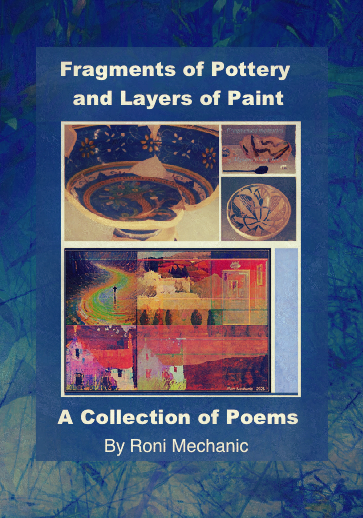
In this collection of poems, I invite you to walk with me—to be lifted, encouraged, and drawn into a deeper poetic journey. Within these pages, language opens doors to whimsical landscapes and emotional spaces where words move, breathe, and come alive. Each poem reaches toward the hidden places of thought and longing, calling you to listen, to imagine, to feel. Together, we will move through the highs and lows of the human experience, discovering moments of solace, joy, and quiet inspiration in the shared art of poetry.
PLEASE MAKE A CHARITABLE DONATION TO SHALOM RADIO UK:
[Please refer to this Text and Commentary on the Wisdom of Solomon] ––
When we study Intertestamental literature—often called the Apocrypha or Pseudepigrapha—we quickly notice a striking difference between biblical canons. The Ethiopian Bible contains far more books (81 or 88, depending on classification) than the Protestant Bible’s 66. This raises an obvious question: why such a large discrepancy?
The answer is that the Bible was not canonized in a single moment. Rather, the canon developed gradually over several centuries. The New Testament reached broad agreement by the late fourth century, when Athanasius of Alexandria listed the 27 books now universally recognized. This list was affirmed by Western church councils at Rome, Hippo, and Carthage. The Hebrew Bible likewise reached consensus among Jewish communities by the second century CE, though its formation was also long and complex.
Later developments further shaped the differences we see today. The Roman Catholic canon was formally defined at the Council of Trent in response to the Reformation, while Protestant churches finalized their canon in the seventeenth century, limiting the Old Testament to the books preserved in Hebrew by rabbinic Judaism. This resulted in the familiar Protestant Bible of 39 Old Testament books and 27 New Testament books.
By contrast, the Ethiopian Christian tradition followed a very different historical path. Christianity reached Ethiopia by the fourth century, and the church developed largely outside later European theological debates. Rather than revising its Scriptures in response to post–Second Temple Jewish decisions or Reformation controversies, Ethiopia preserved the texts it had received early on. These writings were transmitted in Ge’ez, the sacred liturgical language, with remarkable continuity.
This distinct inheritance is tied closely to the theology of the Ethiopian Orthodox Tewahedo Church. Central to its faith is Tewahedo, meaning “made one,” a deep emphasis on the unity of Christ’s divinity and humanity. This instinct toward unity rather than analytical division shaped not only Ethiopian Christology but also its approach to Scripture. The Ethiopian canon retains books that disappeared from most other Christian Bibles, including 1 Enoch and Jubilees—texts widely read in Second Temple Judaism and echoed in the New Testament itself. Modern discoveries such as the Dead Sea Scrolls confirm that these works were once part of a broader Jewish scriptural world.
The difference between Ethiopian, Catholic, and Protestant Bibles, therefore, is not a matter of one tradition being careless or another adding texts late. It reflects different historical journeys. Protestant Christianity aligned its Old Testament with the later, standardized Jewish canon. Ethiopian Christianity preserved an earlier and wider collection of sacred writings rooted in ancient Jewish and early Christian usage. What initially appears strange is actually a window into the diverse ways Scripture was received and transmitted.
Within this landscape, The Wisdom of Solomon occupies a distinctive place. Written in Greek by a Hellenistic Jewish author in Alexandria during the late Second Temple period, it expresses Jewish faith through Greek philosophical categories. It strongly influenced early Christian thought and is fully accepted in Catholic and Eastern Orthodox traditions. However, it never entered the Hebrew canon and was therefore excluded from Protestant Bibles. Interestingly, despite preserving other ancient Jewish texts, the Ethiopian canon does not include Wisdom of Solomon, likely because it was never transmitted within the Ge’ez scriptural tradition.
This leads to enduring questions: How do we define canon and orthodoxy? Who sets those boundaries? How should believers today respond to different biblical traditions? For Messianic Jewish believers in particular, the challenge is to honour the Hebrew Scriptures, recognize the significance of the Reformation, remain open to Eastern and ancient Christian traditions, and thoughtfully engage intertestamental literature without confusing historical value with canonical authority.
Seen this way, the question of canon is not merely about counting books. It is about inheritance, history, theology, and faithfulness—and about learning to navigate difference with clarity, humility, and discernment.
Significant influences
The author of Wisdom appears to be a euhemerist, treating mythology as disguised history in which gods represent notable human figures. It He is also deeply Platonist, viewing the beauty of the world as pointing to a supreme First Cause, and drawing on Plato’s ideas of pre-existing matter (xi.17), the soul’s pre-existence (viii.19), and the body as an obstacle to spiritual knowledge (ix.15).
At the same time, it he reflects Stoic thought in his portrayal of Wisdom’s penetrating power (vii.24), her quick understanding (vii.22), the doctrine of Providence (xiv.3), and the four cardinal virtues (viii.7). Set against the biblical affirmation that God created all things from tohu va-vohu (Gen. 1:2–5), these philosophical strands point strongly to Alexandrian Egypt as the author’s milieu. He was a Jew firmly loyal to Israel’s faith yet fully engaged with Greek learning—something Alexandria uniquely enabled.
A Question to ponder
In our consideration and deliberations, it is important to contemplate how in many ways, the book of Wisdom itself embodies the very tension of the intertestamental age: Israel’s ancient faith speaking fluently in the language of the surrounding world, standing on the threshold between the Hebrew Scriptures and the New Testament vision that would soon emerge. It is helpful to discuss some of the questions that arise from a book like The Wisdom of Solomon.
“What may we deduce, and learn from its place between the two testaments, and what impact if any does it have on post-Second Temple Judaism, and the emerging Christian Church?”
The Psalms of Solomon
The Psalms (or Psalter) of Solomon are not part of the Ethiopic (Ethiopian Orthodox) biblical canon. This most definitely must not be confused with The Wisdom of Solomon.
Here’s the fuller, careful picture:
The Psalms of Solomon are a Jewish work from the 1st century BCE, probably written in response to the Roman conquest of Jerusalem. They are extremely important historically and theologically, especially because they contain some of the clearest pre-Christian Jewish expectations of a Davidic Messiah.
However, despite their value:
They are not included in the Ethiopian Orthodox Tewahedo Church’s canon (neither the narrower 88-book canon nor the broader liturgical collections).
They were never translated into Ge’ez as part of Ethiopia’s received scriptural tradition.
They survive primarily in Greek manuscripts, with later Syriac versions—not in Ethiopic transmission.
This is an important distinction, because people often assume that any Second Temple Jewish text survived in Ethiopia. That isn’t the case. Ethiopia preserved some texts that vanished elsewhere (like 1 Enoch and Jubilees), but not all of them.
Why were the Psalms of Solomon excluded while Enoch and Jubilees were retained?
The most likely reason is usage, not theology. Enoch and Jubilees were deeply embedded in certain Jewish-Christian communities very early and became part of Ethiopia’s inherited liturgical and instructional life. The Psalms of Solomon, while respected, seem to have remained more sectarian and limited in circulation, never achieving the same canonical status in any major Christian tradition.
So, interestingly:
Quoted in the New Testament? No.
Found among the Dead Sea Scrolls? No (unlike Jubilees).
Canonical anywhere in Christianity? No.
Massively important for Messianic expectations? Absolutely yes.
In other words, the Psalms of Solomon sit in a fascinating middle space: hugely illuminating for understanding Jewish messianism at the time of Jesus, but never formally canonized—even in Ethiopia.
Conclusion
We are on an exciting, and dare I say it, an epic journey that with careful thought and deliberation can only but enrich our spiritual walk. “Tread carefully, and not in haste!” We must keep in focus that our purpose is to enhance our Messianic faith, and upbuild a credible Messianic Jewish theological understanding.
Heritage is a very important part of our lives, and culture. Who are we? Where do we come from, and where are we going? No one ever said that this journey through life would be easy. Each one of us have had to confront huge challenges along life’s way. And the long awaited ‘son of promise, Isaac,’ born to Abraham and Sarah in their old age becomes the biggest test of their faith ever.
In Genesis 22 we have the narrative of the testing of Abraham our Father:
Abraham’s Faith is Tested
1 Some time later God tested Abraham. He said to him, “Abraham!” “Here I am,” he replied. 2 Then God said, “Take your son, your only son, whom you love—Isaac—and go to the region of Moriah. Sacrifice him there as a burnt offering on a mountain I will show you.” 3 Early the next morning Abraham got up and loaded his donkey. He took with him two of his servants and his son Isaac. When he had cut enough wood for the burnt offering, he set out for the place God had told him about. 4 On the third day Abraham looked up and saw the place in the distance. 5 He said to his servants, “Stay here with the donkey while I and the boy go over there. We will worship and then we will come back to you.” 6 Abraham took the wood for the burnt offering and placed it on his son Isaac, and he himself carried the fire and the knife. As the two of them went on together, 7 Isaac spoke up and said to his father Abraham, “Father?” “Yes, my son?” Abraham replied. “The fire and wood are here,” Isaac said, “but where is the lamb for the burnt offering?”8 Abraham answered, “God himself will provide the lamb for the burnt offering, my son.” And the two of them went on together. 9 When they reached the place God had told him about, Abraham built an altar there and arranged the wood on it. He bound his son Isaac and laid him on the altar, on top of the wood. 10 Then he reached out his hand and took the knife to slay his son. 11 But the angel of the LORD called out to him from heaven, “Abraham! Abraham!” “Here I am,” he replied. 12 “Do not lay a hand on the boy,” he said. “Do not do anything to him. Now I know that you fear God, because you have not withheld from me your son, your only son.” 13 Abraham looked up and there in a thicket he saw a ram caught by its horns. He went over and took the ram and sacrificed it as a burnt offering instead of his son. 14 So Abraham called that place The LORD Will Provide. And to this day it is said, “On the mountain of the LORD it will be provided. 15 The angel of the LORD called to Abraham from heaven a second time 16 and said, “I swear by myself, declares the LORD, that because you have done this and have not withheld your son, your only son, 17 I will surely bless you and make your descendants as numerous as the stars in the sky and as the sand on the seashore. Your descendants will take possession of the cities of their enemies,18 and through your offspring all nations on earth will be blessed, because you have obeyed me.”
So, who do you think you are?
You are a human being?
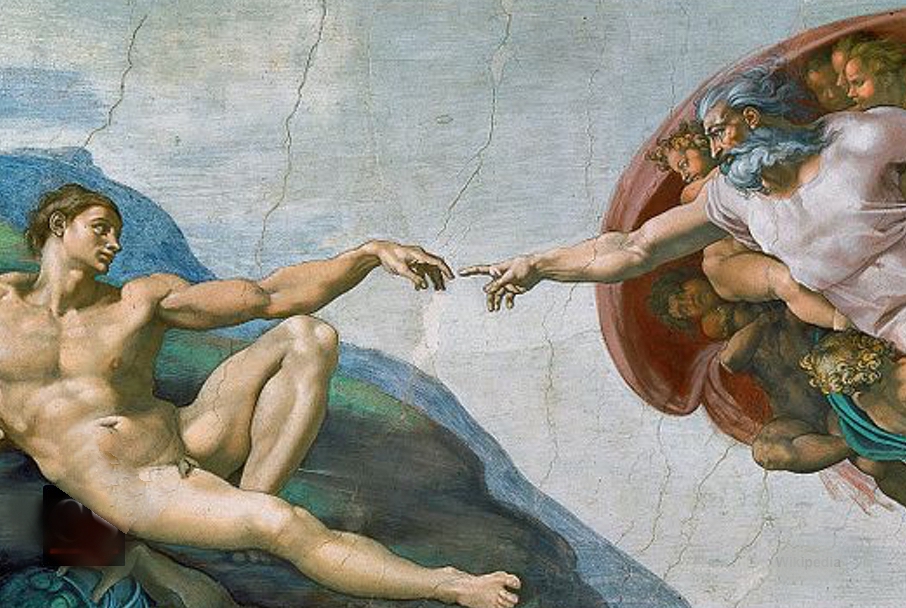
According to the Scriptures we are created in the image of G_D –– that does not mean his physical likeness, but his moral nature and being, i.e., G–D likeness. However, there is an inherent flaw to our character due to the ‘fall.’ Sin entered the world to the disobedience and rebellion of our common ancestors –– Adam, and Eve.
Please make a Donation today towards theRunning Podcast’s Costs:
Pontius Pilate asked Yeshua, “WHAT IS TRUTH?” That selfsame question echoes down through the ages. So, “What do you think?” Well can anyone still be trusted? Truth appears to be in very short supply. Paul Carrack when he was with Mike and the Mechanics wrote Silent Running and he penned these words: Don’t believe the church and state and everything they tell you…
Take the children and yourself And hide out in the cellar By now the fighting will be close at hand Don’t believe the church and state And everything they tell you Believe in me, I’m with the high command
Can you hear me, can you hear me running? Can you hear me running, can you hear me calling you? Can you hear me, can you hear me running? Can you hear me running, can you hear me calling you?
This phrase: Don’t believe the church and state And everything they tell you is a very serious accusation –– So, why can’t they be trusted?
Let’s begin with ‘church:
What Is Good About Church?
What Is Bad About Church?
Where This Leaves Us?
What Is Good About the State and Its Leadership?
What Is Bad About the State and Its Leadership?
Where This Leaves Us
What can we do, if anything when we have dictatorial church and state leadership?
Wake Up — Don’t Be Deceived
Wake up.
“Peace, Peace”—The Cry of False Prophets
Peace is Not the Absence of Conflict—It Is the Presence of Truth
What Awakening Looks Like
Awakening is not rebellion; it is responsibility.
It is not anger; it is clarity.
It is not cynicism; it is wisdom.
False Peace Never Lasts—True Peace Begins With Truth, and Real peace is often born in the very moment when false peace dies.
To the true story you will need to listen to this Podcast!
Apple of My Eye –– By Roni Mechanic –– Please Note: This Poem is Copyright 2025 and may only be briefly quoted.
For fuller use contact the author: mtmi.teaching@gmail.com
The phrase “apple of my eye” has a long and storied journey, glimmering with layers of meaning. In its earliest English use, it spoke of a person or thing cherished above all else, one held in a place of rare affection. The image often refers to the pupil—the small, dark centre of vision—though it was also employed more broadly to describe what is dearest to the heart.
William Shakespeare used it with this sense in the late 16th century. In A Midsummer Night’s Dream, the fairy king Oberon, armed with a magical flower struck by Cupid’s arrow, leans over a sleeping youth and says, “Flower of this purple dye—hit with Cupid’s archery—sink in apple of his eye,” thus sealing a love-bound fate. In Love’s Labor’s Lost, the witty courtier Biron rebukes another with the sharp question, “Do not you know my lady’s foot by the square—and laugh upon the apple of her eye?” In both, the phrase carries the intimacy of a treasured focal point—whether in love, beauty, or desire.
The Focus of the Poem –– Apple of the Eye
In the Bible, however, this phrase takes on a deeper, more tender resonance. In the stately English of the 1611 King James Bible, “apple of my eye” glows like a thread of divine intimacy woven through the Scriptures. It sings in Moses’ desert song, where God finds His people in the waste howling wilderness and guards them as one would protect the most delicate part of sight itself. It rises in the psalmist’s prayer— “Keep me as the apple of the eye”—a cry to be hidden under the shadow of God’s wings. Proverbs utter it as the voice of a father’s counsel: to hold God’s commandments as one would shield the pupil from harm. Lamentations weep it in grief, calling for tears to flow without ceasing from the apple of the eye. And Zechariah proclaims it as a fierce warning: whoever touches Israel touches the apple of God’s eye.
In Zechariah, the phrase shifts: bava ‘ayin. Scholars differ here. Some trace bava to a root meaning “to hollow out,” evoking the eye as a hollowed gateway through which light enters. Others believe it simply means “apple,” thus giving us the English rendering. Yet, whether hollowed gate or fruit, the essence remains: the eye is the most sensitive, most fiercely guarded place. To touch it is to wound the seat of perception.
And so, in Scripture, this image is not of a God who loves from afar, but of a God whose care is as personal way as the guarding of His own sight. His gaze is steady, unblinking, protective. In it, we are not lost among the masses, but reflected clearly, held at the very centre of His vision. We are the little figure in His eye—the one He will not let go.
Apple of My Eye
In most of these verses, the ancient tongue speaks ‘iyshon ayin––
אִישׁוֹן עַיִן–– the pupil of the eye.
‘Iyshon
‘Iyshon—darkness, shadow— yet more than shade, it whispers of the little man, the tiny figure mirrored in another’s gaze.
This is no idle flourish— but the portrait of nearness: to be the little man in G_D’s own eye, so close, so beloved, that His gaze holds your image, and His sight cradles your soul.
He Speaks to His Beloved Ones
The “apple of my eye” glows— a thread of divine intimacy woven through the ancient scrolls.
Tales told long past— flowing from the heart of G_D: “You are my beloved ones, now, and throughout eternity.
Sacred, not only to behold, but to tenderly nurture, and to hold.
The light of My gaze rests on you, as the pupil to the eye, guarded from harm, kept in the depth of My sight.
No shadow shall hide you, no hand shall tear you away— for you are the little figure mirrored in My vision,
The treasure of My soul— in all your struggles, past, present, and yet to come, My eyes will ever watch for you.
Foes
Though the foe would tear you away from My tender care, I will stand, shield in hand, warding them off–– with a jealous, protecting strength.
You are My beloved— the apple of My eye. No one shall pluck you from My mighty grasp, nor dim the gaze that holds you close.
Moses’ Song
It sings in Moses’ desert song, where G_D finds His people in the waste howling wilderness, and guards them as one shields the tender centre of sight.
Hunger, thirst, a scorching sun— wild beasts, and those of evil intent, though each in turn seeks to wound or destroy you, I am there with you, now, and always— shadow in the heat, water in the parched land, fortress in the storm.
Guardian
Guardian of your soul, ever watchful, ever near, committed to keep you whole— body, soul, and spirit— now, and always.
Fear not for I am with you,”
the treasure of My soul— in all your struggles, past, present, and yet to come, My eyes will ever watch for thee.
The Psalmist
It rises in the psalmist’s plea: “Keep me as the apple of the eye,” a cry for shelter— beneath the shadow of His wings, where the heat of the day cannot scorch, nor the terrors of the night draw near.
It is the voice of One who knows that the pupil is the most guarded place, the place where sight begins, and that to be there, held within God’s gaze, is to be wrapped in a love of Thee, both fierce and tender.
There, no arrow can pierce, no darkness can blot out the light, for His wings are broad, and His watch unending, and the one kept there is forever safe.
Proverbs
Proverbs speaks it as a Father’s voice, urging the keeping of His commands as one would guard the pupil from the sting of harm.
Sayings of old, spoken and spoken again, for all to hear— a still small voice, a whisper in the listener’s ear, a steady gaze meeting the eye, reassuring, confident, to uphold–– and to guide along life’s way.
Stay in My sight, remain in My regard— apples of golden delight, the apple of My eye.
Lamentations
Lamentations weep––
its tears unending,
flowing like rivers, falling from the apple of the eye. Though weeping may endure for a time, assurance is given, clearly declared:
“I am with you always— in sorrow and in suffering, even in the face of loss and death.
Did I not say, ‘I will never leave you nor forsake you’?”
“I hate you, despise you, wish to see you slain, and dispossessed!”— is this not the bitter, often-repeated cry of Israel’s foes through the long corridors of time?
5785
Five thousand, seven hundred, and eighty-five years she has endured—[she=Israel] banished from her land, exiled to the ends of the earth, hounded and hunted, slaughtered by tyrants whose names fade like dust. Yet she still stands, her heartbeat steady, her lamp still burning in the night.
What is her secret? What unseen hand has shielded her from the graveyard of nations?
The Prophet
Bava ‘ayin—הָוָה עַיִן— hollowed and formed, a vessel made to receive the light.
And the word of the Lord through Zechariah still thunders across the hills: Touch Israel, and you touch the apple of My eye.
Thus says the Lord— a warning set for all generations, a promise sealed with fire: He who keeps Israel shall neither slumber nor sleep; the gaze of the Holy One shall not turn away, but shall watch her forever.
The apple of My eye— you are Mine, My beloved, and I am yours.
As a lover whispers, with fierce and tender devotion to the one his soul adores, so does Hashem speak to all who love Him:
“I will never leave you, nor forsake you. Not in the fire, nor in the flood, not in the shadow of death itself.
[It is my intention that through this ending I want the poem to breathe more like a psalm or prophetic reading that closes a liturgical work].
Apple of the Eye:
Refrain: Guard us, O L_RD, as the apple of Your eye.
Leader: Apple of the Eye—kept as the shadow of His wings, Congregation: Hidden in the secret place of the Most High. All: Guard us, O L_RD, as the apple of Your eye.
Leader: Guarded from the arrow that flies by day, Congregation: Preserved from the terror that walks in darkness. All: Guard us, O L_RD, as the apple of Your eye.
Leader: He found thee in the waste howling wilderness, Congregation: He led thee about, He instructed thee. All: Guard us, O L_RD, as the apple of Your eye.
Leader: He kept thee as the apple of His eye, Congregation: As an eagle stirs her nest and spreads her wings, He covers thee. All: Guard us, O L_RD, as the apple of Your eye.
Leader: Under His feathers thou shalt trust, Congregation: His truth shall be thy shield and buckler. All: Guard us, O L_RD, as the apple of Your eye.
Leader: Wisdom binds His words upon thy heart, Congregation: As one would guard the pupil from harm. All: Guard us, O L_RD, as the apple of Your eye.
Leader: Lament weeps without ceasing, Congregation: Tears falling from the apple of the eye. All: Guard us, O L_RD, as the apple of Your eye.
A Clear Vision
Leader: My gaze will hold you, My hand will keep you,
as the apple of My eye.”
Let every breath bear witness, and every heart resound with the song of the One who will never let go.
Congregation: Amen— and Hallelujah!
Resources available to assist you in your desire to gain a clearer understanding of Messianic Jewish Perspectives:
This the link that leads to my PayPal account, where you can easily support my blog and the content that I create. Your contributions help me to continue producing high-quality articles, engaging stories, and insightful reflections. Every donation, no matter how small, makes a significant difference and allows me to invest in better resources, conduct more research, and share even more valuable information with all of you. I appreciate your support and dedication to my work, and together, we can create a thriving community around the topics that matter most to us. Thank you for considering a contribution to my blog!
Shalom Radio UK is sponsored by MTMI
It is an independent internet based radio programme
MAKE A CHARITABLE DONATION TOWARDS THE BLOG’S RUNNING COSTS:
https://paypal.me/hotrodronisblogcom is the link that leads to my PayPal account, where you can easily support my blog and the content that I create. Your contributions help me to continue producing high-quality articles, engaging stories, and insightful reflections. Every donation, no matter how small, makes a significant difference and allows me to invest in better resources, conduct more research, and share even more valuable information with all of you. I appreciate your support and dedication to my work, and together, we can create a thriving community around the topics that matter most to us. Thank you for considering a contribution to my blog!
A scene –– featuring candles and Star of David symbols set against a quaint street in Alghero, Italy, symbolizing remembrance and reflection.
While on vacation together with my wife Elisheva we are staying in the beautiful seaside town of Alghero in the island of Sardinia which is part of Italy.
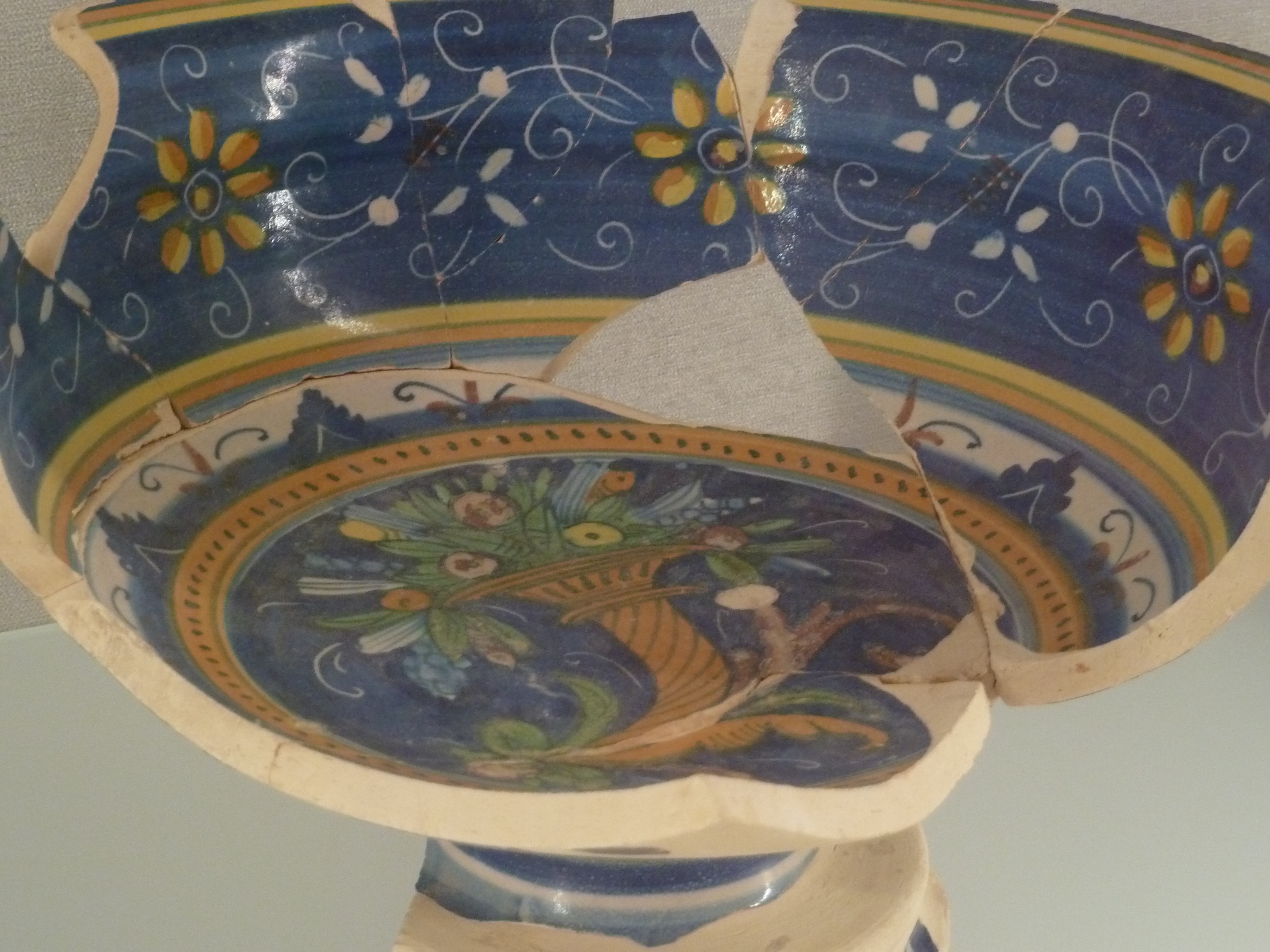
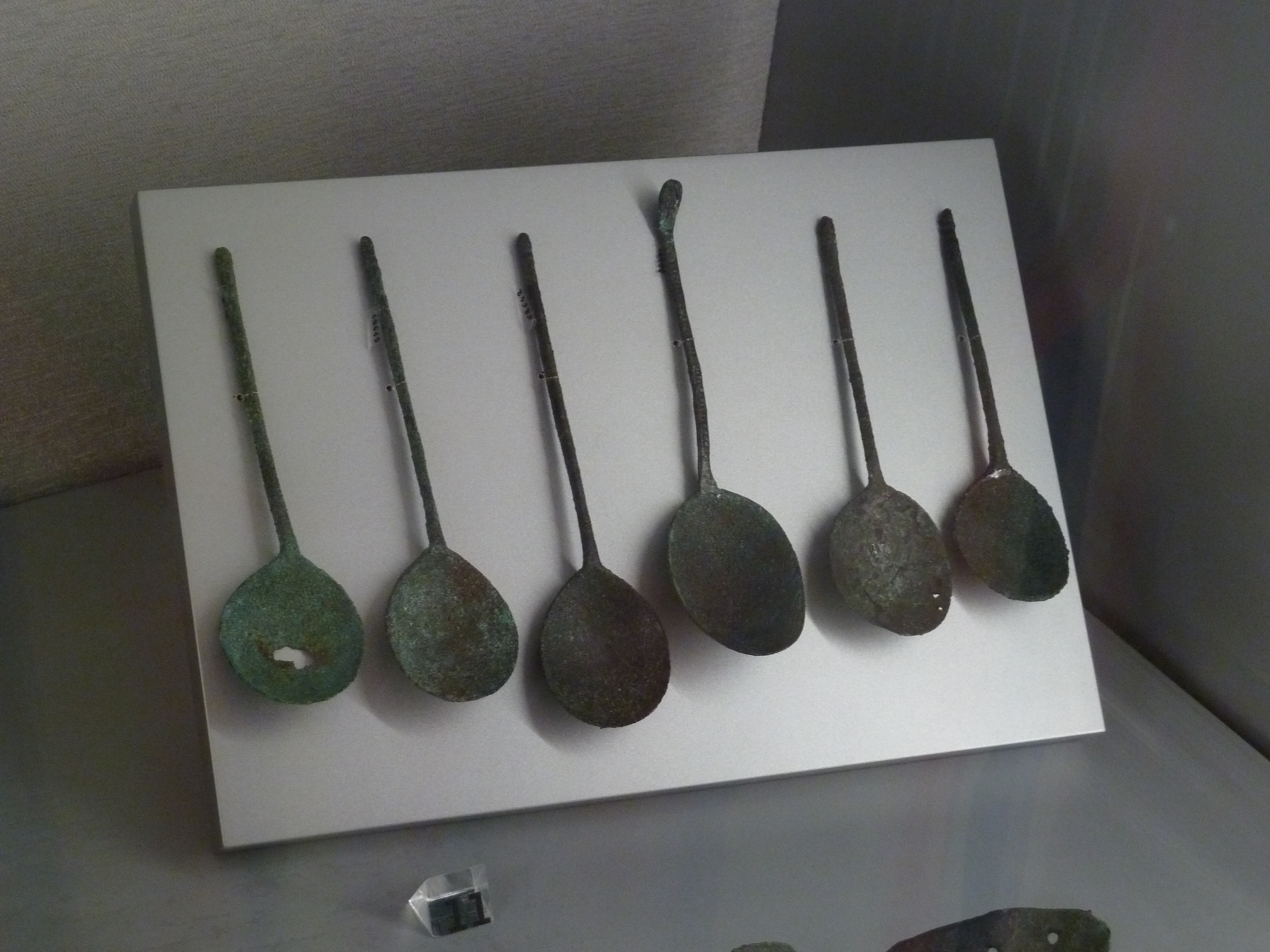
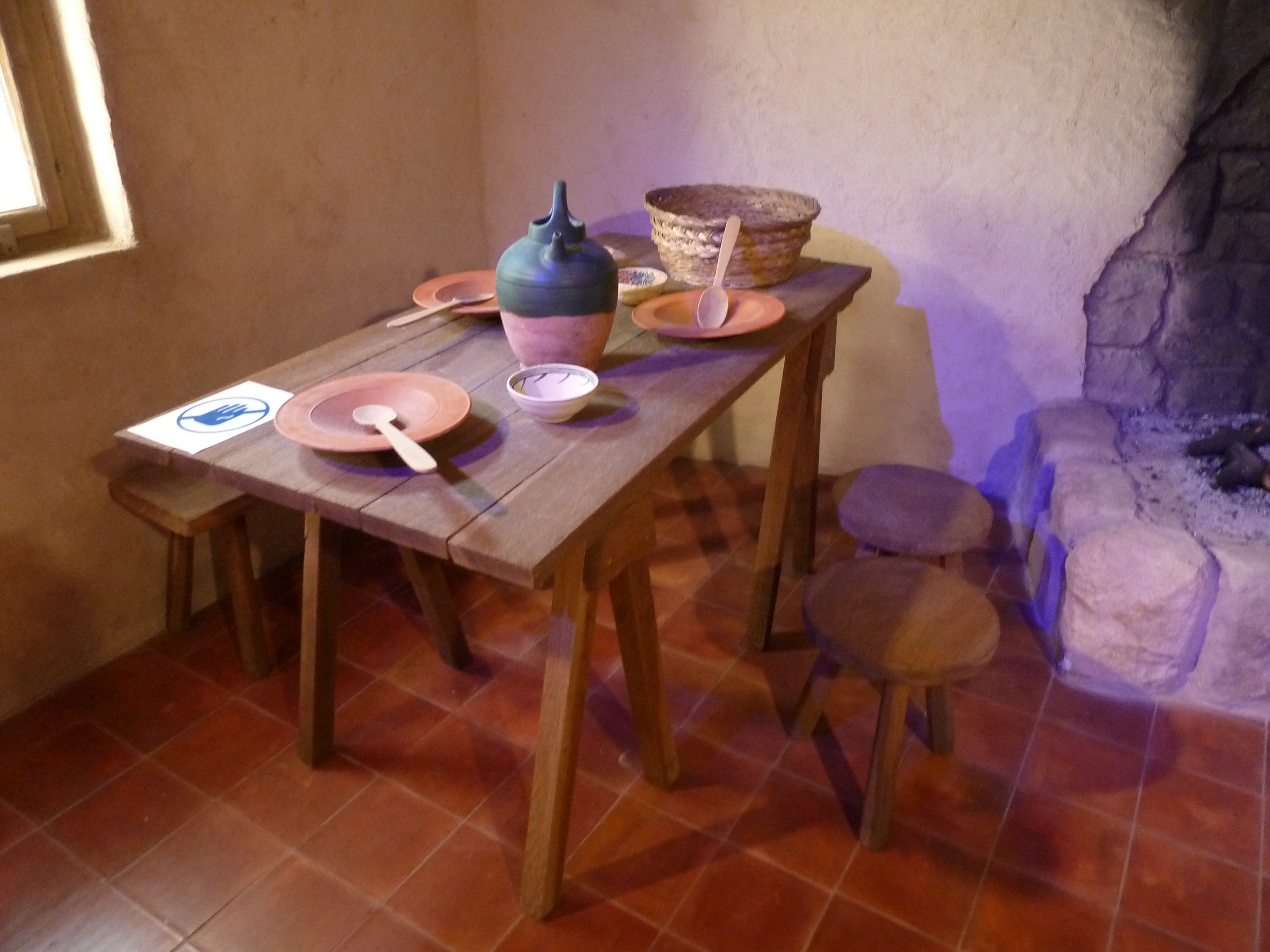
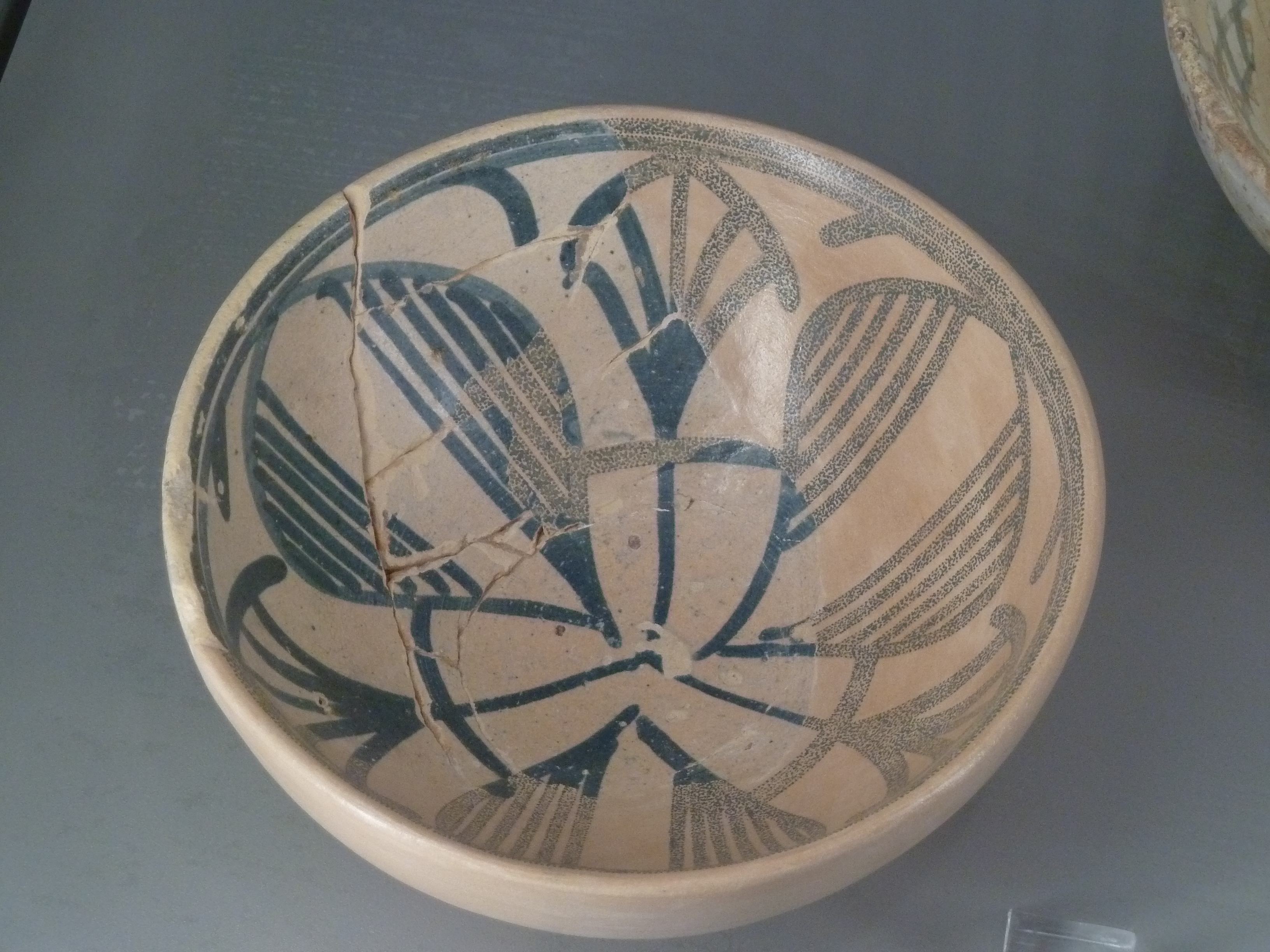
Besides the Italian people, their food, their drink, and especially their rich culture, we made a fascinating discovery on our visit to the city museum – In the Middle Ages it had a rich history of the Jewish community on this island.
Pottery fragments, and other similar domestic have been found and reconstructed and are now being preserved for all to see.
So Where Have All the Jews Gone?
Sardinia during that period was administered by Spain. So far sogood — the truth be told not ‘so good!’ At that time there was no place in their realm for Jews.–– Exile, conversion, or death.’
Have we not been there before? At the present the Spanish Government is taking an anti-Israel stance which we can only pray will be reversed lest history repeats itself.
I firstly wrote this piece of prose from which I then created a poem following a visit to the Alghero Museum, and Catholic Cathedral and reading a description of a side chapel in remembrance of the cities lost Jews.
Alghero Echoes from the Stones
Kaddish Prayer…
English Version…
May the great Name of God be exalted and sanctified, throughout the world, which he has created according to his will. May his Kingship be established in your lifetime and in your days, and in the lifetime of the entire household of Israel, swiftly and in the near future; and say, Amen. May his great name be blessed, forever and ever. Blessed, praised, glorified, exalted, extolled, honored, elevated and lauded be the Name of the holy one, Blessed is he – above and beyond any blessings and hymns, Praises and consolations which are uttered in the world; and say Amen. May there be abundant peace from Heaven, and life, upon us and upon all Israel; and say, Amen.
He who makes peace in his high holy places, may he bring peace upon us, and upon all Israel; and say Amen.
Originally Posted on and Blogged today 1st May 2025 as the Original audio file had been lost and it has been repaired.
Ruth both discovered, and testifies of God’s love throughout her life:
RUTH NESSIM
During April 2017, while I was visiting Ruth Nessim of Nahariyah, Israel, together with her house guest, Betty (Betina) from Germany, a pastor friend Ralf also visiting from Germany called around and Ruth tells her story of how she came to faith. She relates of how she met Albert “her Jewish husband” and the amazing ministry that they shared in Israel together since the 1970’s.
Following Albert’s death nearly a decade ago, Ruth continues to share her faith, with Jews and Arabs in her beloved Israel. She actively promotes fellowship among the diverse communities in the land and this demonstrates how the dividing wall of hostility can be broken down through the sharing of the Good News. This is surely the basis of how a lasting peace may be achieved in not only Israel, but throughout the world?
Ruth’s example of how as a Jewish believer she heard the call of God, to following him, but also listen to how her life made a difference. She tells of the consequence of yielding to that call, and how many others experience God’s life-giving, life-changing power in their lives through her testimony.
LIKE RUTH AND ALBERT YOU TOO CAN DISCOVER GOD’S LOVE FOR YOU PERSONALLY WHOEVER YOU ARE!
IF YOU WOULD LIKE FURTHER HELP IN YOUR DESIRE TO DISCOVER G-D’S LOVE, PLEASE SEND ME A MESSAGE AND I WOULD LOVE TO BE OF ASSISTANCE.:
email: mtmi.teaching@gmail.com
BRING THEM HOME!
Shalom Radio UK is sponsored by MTMI
It is an independent internet based radio programme
MAKE A CHARITABLE DONATION TOWARDS THE BLOG’S RUNNING COSTS:
When we talk about “Times an Seasons.” it can have wide implications – “Times and seasons.” It’s a phrase often spoken with reverence, a simple expression with profound implications. On the surface, it may seem to mark the natural flow of days, months, and years—the shifting from summer’s warmth to winter’s chill, the quiet rhythms of planting and harvest, or the inevitability of sunrise and sunset. But beneath this poetic veneer lies a concept that is far deeper, one that has shaped human understanding, shaped civilizations, and defined personal journeys.
“Times and seasons” speaks not only of the passage of time but of the appointed moments in our lives—those critical junctures where events align, where decisions are made, and where destinies unfold. It calls us to consider the timing of things, not merely as a function of the clock or calendar, but as a divine orchestration, a pattern we often perceive only in hindsight. In the biblical tradition, this phrase is loaded with spiritual significance. The writer of Ecclesiastes declares that “to everything there is a season, and a time to every purpose under heaven.” These words remind us that life unfolds according to a rhythm and plan that is often beyond our control or comprehension. There are times for sowing and times for reaping, moments of joy and seasons of grief, and each one has its place in the grand narrative of existence.
But “times and seasons” also invites us into reflection on the wider implications—on history, on culture, and on our own personal stories. It challenges us to consider the shifts and turning points in the world around us. What season are we living in, not just individually, but as a community, a nation, or even humanity itself? Is this a time for building or for tearing down? A season of peace or a season of upheaval?
On a personal level, it can help us frame our own experiences. We all go through seasons, times when things fall apart and times when they come together, times of clarity and times of confusion. Recognizing the season we are in helps us respond wisely—whether by waiting patiently in winter’s stillness or by acting boldly in summer’s abundance.
Roni at entrance to Israel Museum, Jerusalem
Roni cooking up a storm
Click on this Link to Listen this Programme:
Happy New Year!
The implications of these ideas ripple out even further. For those who believe in divine sovereignty, the phrase serves as a reminder. We are not the ultimate masters of time. Seasons come and go, often without our consent. Yet, even in the face of this lack of control, there is a hope. This hope is embedded in the idea of seasons. They change. The cold of winter does not last forever; the dryness of drought gives way to the rains. Just as nature cycles through its phases, so too do our lives and the world around us.
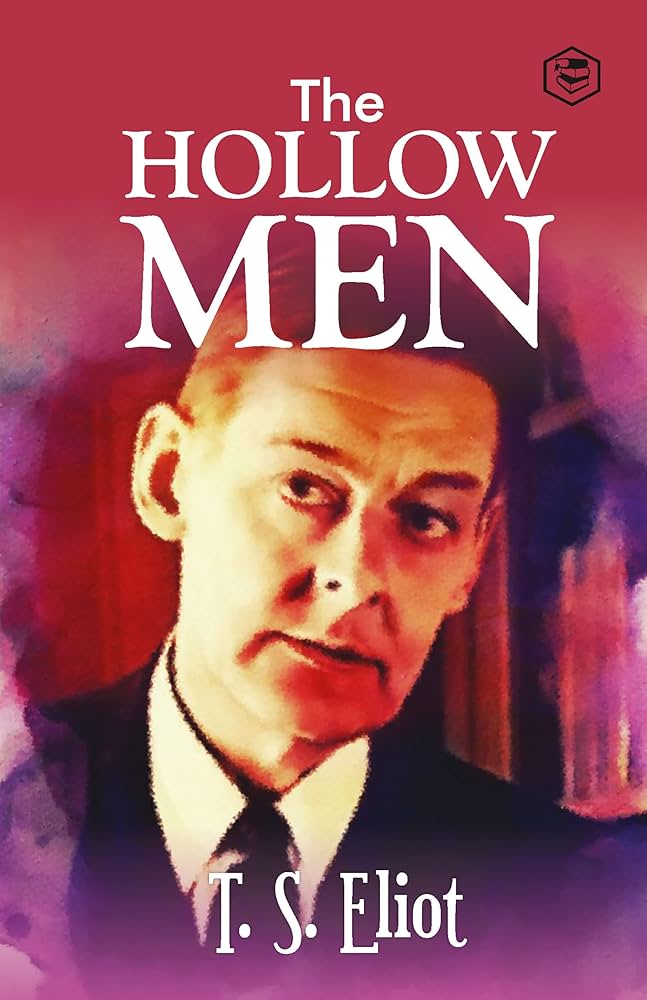
In a world that often demands instant results and constant progress, “times and seasons” urges us to embrace the process. It encourages us to trust the unfolding and find meaning in every phase. It is a recognition that the seasons we pass through—individually and collectively—are not random. They are part of a larger story, one in which every moment, every transition, has purpose. T. S. Eliot focuses on despair in poems like The Waste Land and The Hollow Men. This focus reflects his deep engagement with the cultural, spiritual, and existential crises of his time. It also showcases his own personal struggles. Here are several reasons for this focus:1.
Cultural and Historical Context
2. Philosophical Influences
3. Personal Struggles
4. Religious Quest
5. Themes in The Waste Land and The Hollow Men
6. T.S. Eliot’s Ash Wednesday (1930) is a deeply personal and spiritual poem, marking Eliot’s turn towards Christianity after his conversion to Anglicanism in 1927. It reflects his struggles with faith, doubt, and redemption, encapsulating themes of spiritual renewal and the tension between worldly attachments and divine aspirations.
The poem is structured into six sections, weaving fragmented imagery, liturgical language, and a meditative tone. It explores the journey of a soul turning away from despair and secular distractions, yearning for spiritual transformation and divine grace. The “Ash Wednesday” reference ties to the Christian observance of repentance and mortality, emphasising the soul’s need for humility and hope in the face of human frailty.
Eliot’s use of symbolism, paradox, and allusion creates a complex and layered work that invites contemplation on the challenges and rewards of faith.
6. Symbolism of Despair
Eliot’s obsession with despair is not merely a fixation but a tool to explore the human condition. He presents despair in its starkest form. This approach forces readers to confront the emptiness of modern life. It leads them to consider the possibility of renewal, whether through faith, art, or human connection.
Eliot explores despair through several angles. It results from his historical moment, philosophical influences, personal struggles, and spiritual quest. His poetry serves as both a diagnosis of and a response to the crises of his time.
This timeless truth is significant in various ways. It may be seen through a spiritual, philosophical, or practical lens. It reminds us to align ourselves with the rhythms of life and time. We should embrace them rather than resist them. Seasons will come and go, but how we engage with them defines the legacy we leave behind.
What do we make of the expression: “Now is God’s appointed time for me, and You?” The phrase is personal and universal. It invites us into a deeply meaningful narrative. It is a moment pregnant with meaning, poised between divine providence and human response. The speaker identifies God’s eternal plan converging with the present moment’s immediacy. This is a kairos — the sacred intersection where time and purpose meet.
Imagine a traveler on a journey, worn and weary, pausing at the edge of a river. The path they have walked is full of twists and turns. There are triumphs and regrets. Yet they stand now before an unseen bridge. Only faith can reveal this bridge. The traveler senses a voice, still and small yet unmistakably commanding: Now is the time. The words do not thunder from the heavens; rather, they resonate within, like a melody long forgotten but instantly remembered.
In this moment, the traveler realizes the truth. God’s appointed time is not a distant promise. It is not a future hope. It is here, now, demanding a response. It encourages the traveler to step forward. The traveler must trust that the unseen bridge will hold. They must embrace both the uncertainty and the calling.
But this declaration, “Now is God’s appointed time,” is not solitary. It includes “You.” The phrase is a reminder that divine purpose is never lived in isolation. It suggests a shared calling, a communal moment of reckoning. The “You” could be a friend, a stranger, a congregation, or even the collective human family. It acknowledges that God’s timing is relational, inviting others into the story of faith, repentance, renewal, or action.
In this narrative, the phrase becomes both a challenge and a comfort. It challenges us to recognize the urgency of the present. We need to awaken to the reality that God’s timing is not measured by human clocks. It is measured by the alignment of divine intention and earthly opportunity. It comforts us with the assurance that this moment is not random—it is purposed. God has orchestrated this time for transformation, for stepping into a destiny that is uniquely ours yet intertwined with others.
So, what do we make of this expression? We see it as a call to action and trust. It reminds us that God’s purposes unfold not in abstract futures but in the living, breathing now. It invites us to live fully present. We should be aware that this moment, though fleeting, is eternally significant—for me, and for you.
Prophet Phillip Banda
Prophet Philip Banda, founder of Impact for Christ Ministries (IFCM), focuses on faith. He emphasizes healing in his teachings. He also stresses a strong devotion to prayer. He also expresses a particular love for Israel and the Jewish people. Many of his teachings align with Pentecostal and charismatic Christian beliefs. However, several factors could raise questions about their orthodoxy. This depends on specific doctrines he promotes and practices within his ministry.
Factors to Evaluate
Emphasis on Healing and Prophecy: Pentecostal and charismatic movements often emphasize prophecy, miracles, and healing. While these are biblical, excessive focus or deviation from scriptural boundaries (e.g., elevating the prophet above Christ or Scripture) could lead to doctrinal concerns.
Public Teachings: It’s important to examine his public sermons and writings for clarity and alignment with Scripture. Are they Christ-centered, rooted in the Bible, and focused on repentance, grace, and the gospel?
If you have access to specific teachings or doctrinal statements from Prophet Philip Banda, please share them. I can help analyze them for alignment with orthodox Christian theology.
The teachings and ministry of Prophet Philip Banda at Impact for Christ Ministries (IFCM) align with several core aspects. These aspects are part of orthodox Christian doctrine. This conclusion is based on the available information.
Salvation by Grace through Faith:While specific statements on salvation are not detailed in the provided sources, the ministry’s mission to “proclaim the Kingdom of God by preaching the Gospel of the Lord Jesus Christ through the power of The Holy Spirit” implies a focus on evangelism and the message of salvation.
However, without a detailed doctrinal statement, assessing Prophet Banda’s adherence to all aspects of orthodox Christian doctrine is challenging. There are no explicit affirmations of specific creedal formulations like the Nicene Creed.
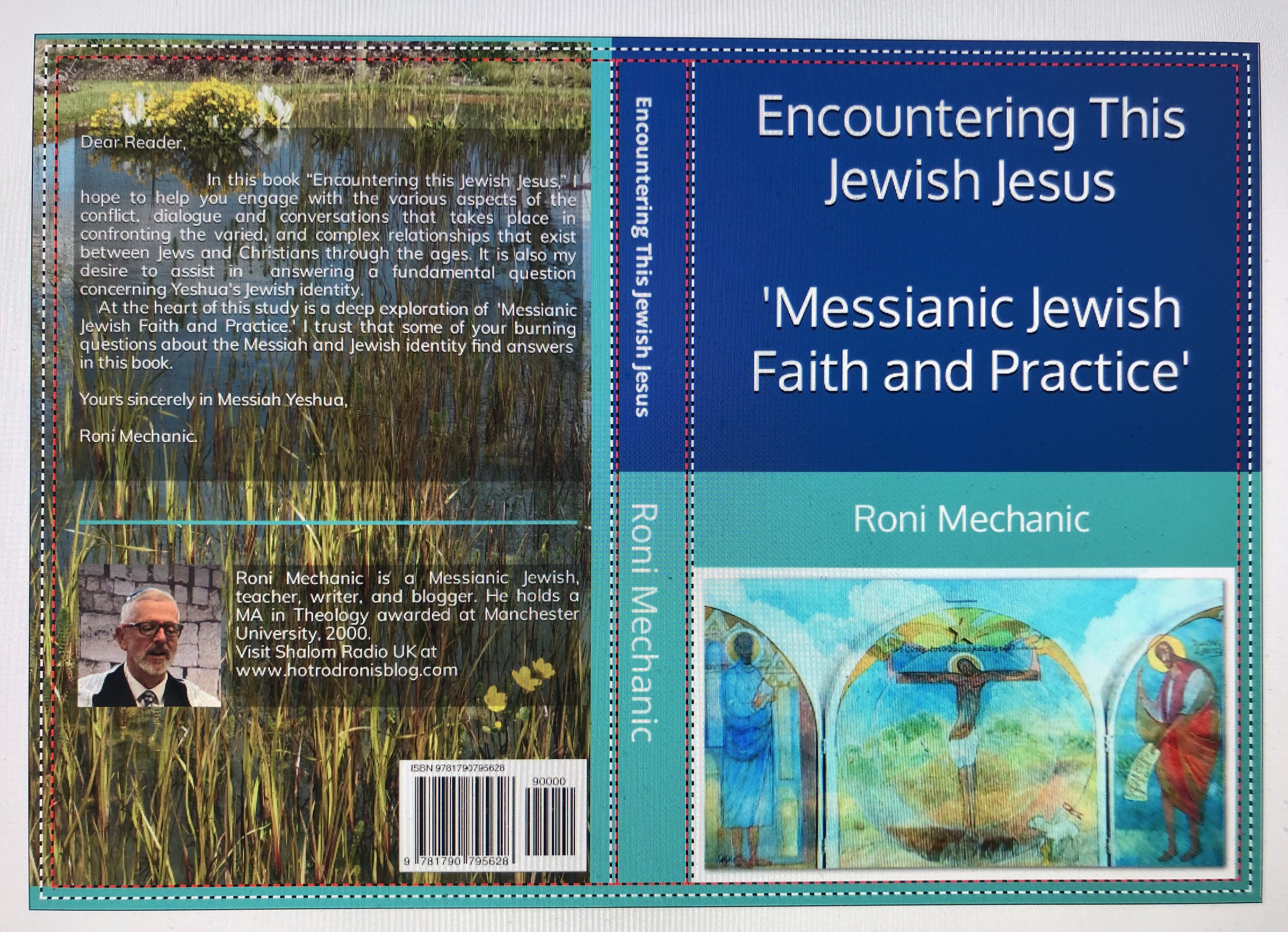
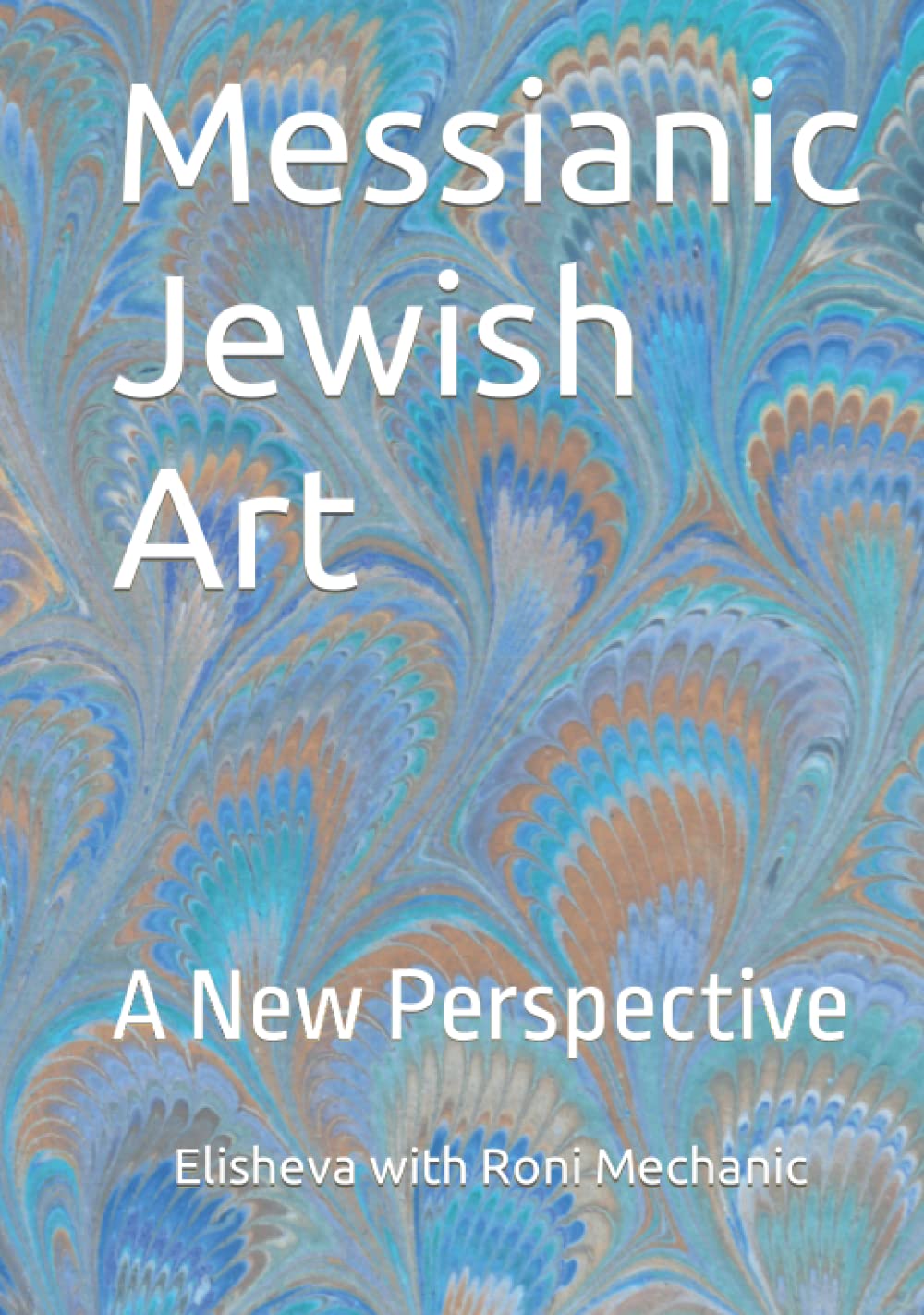
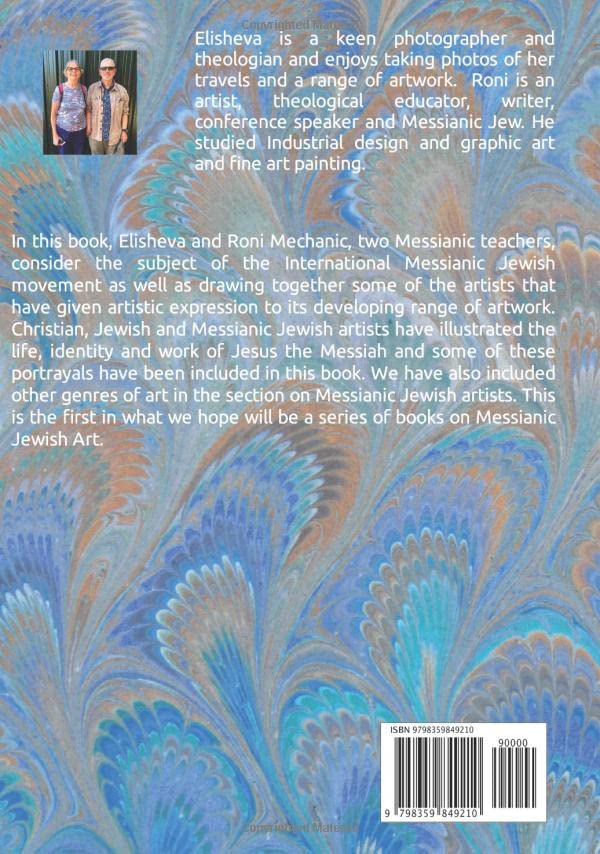
Books Published by Roni & Elisheva Mechanic:
Discover a captivating collection of literary works authored by Roni and Elisheva Mechanic, showcasing their unique storytelling talent and creative insights. These Books are available through Amazon.
Please make a charitable donation towards the running cost of this blog:
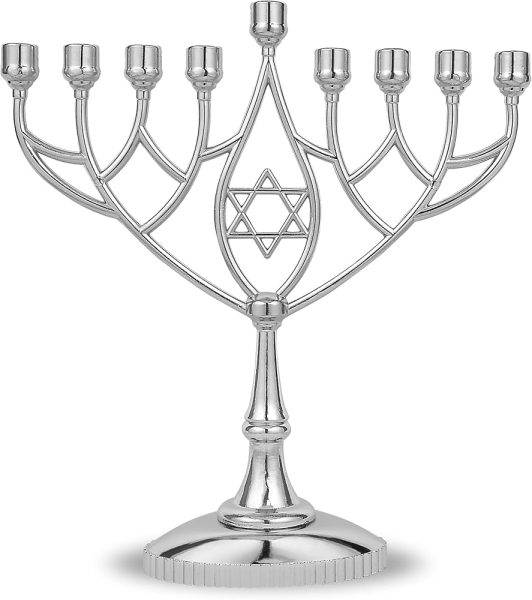
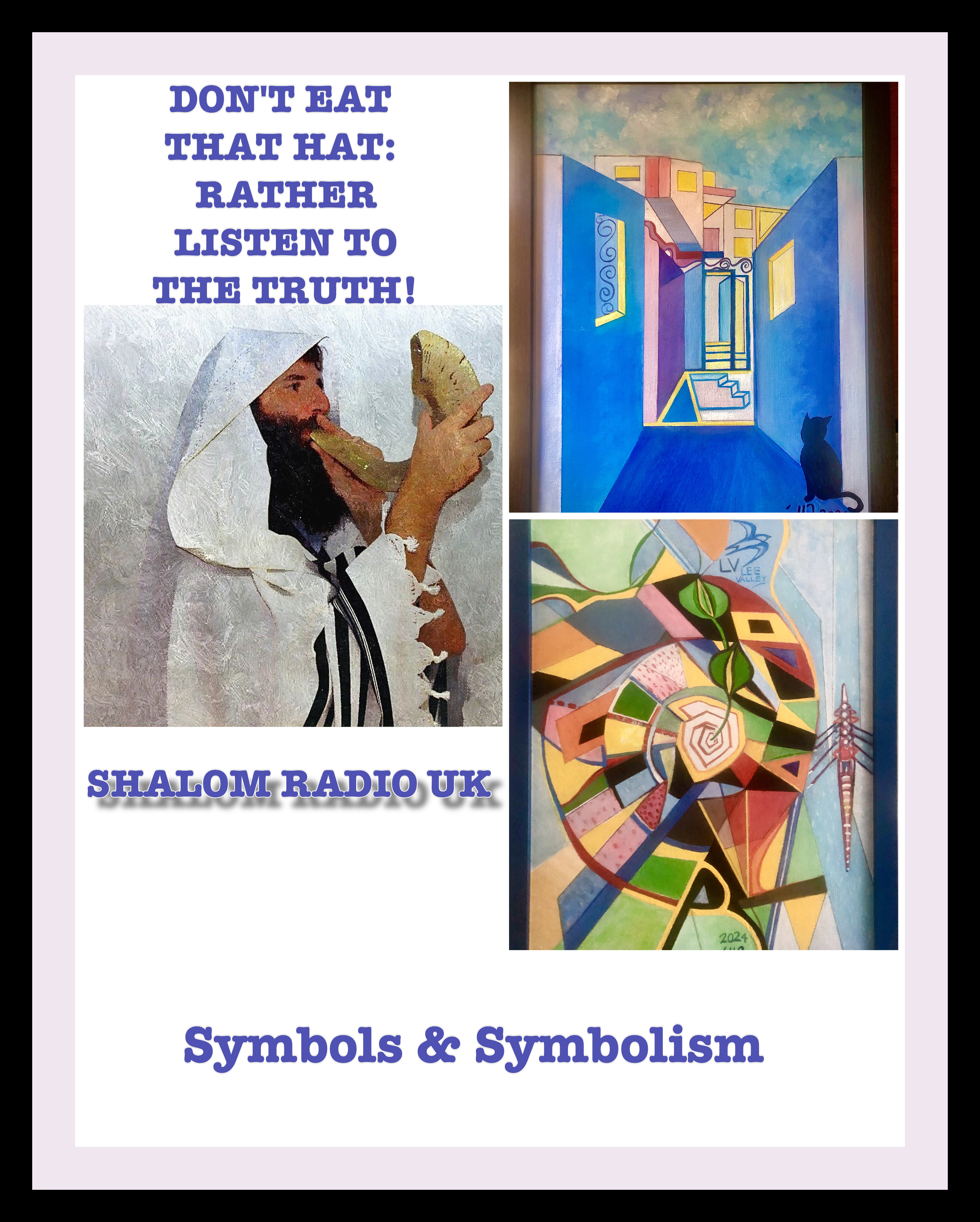
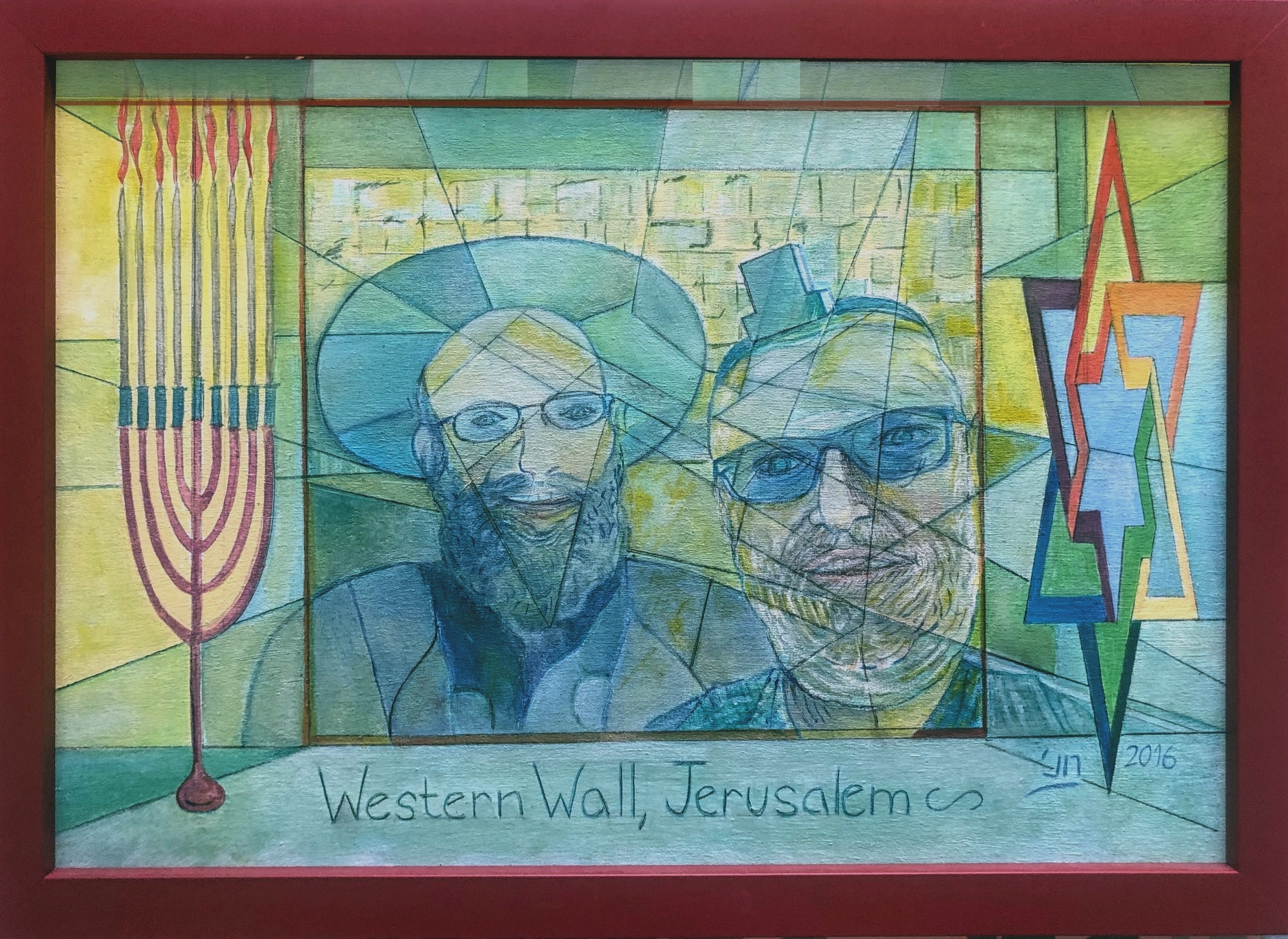
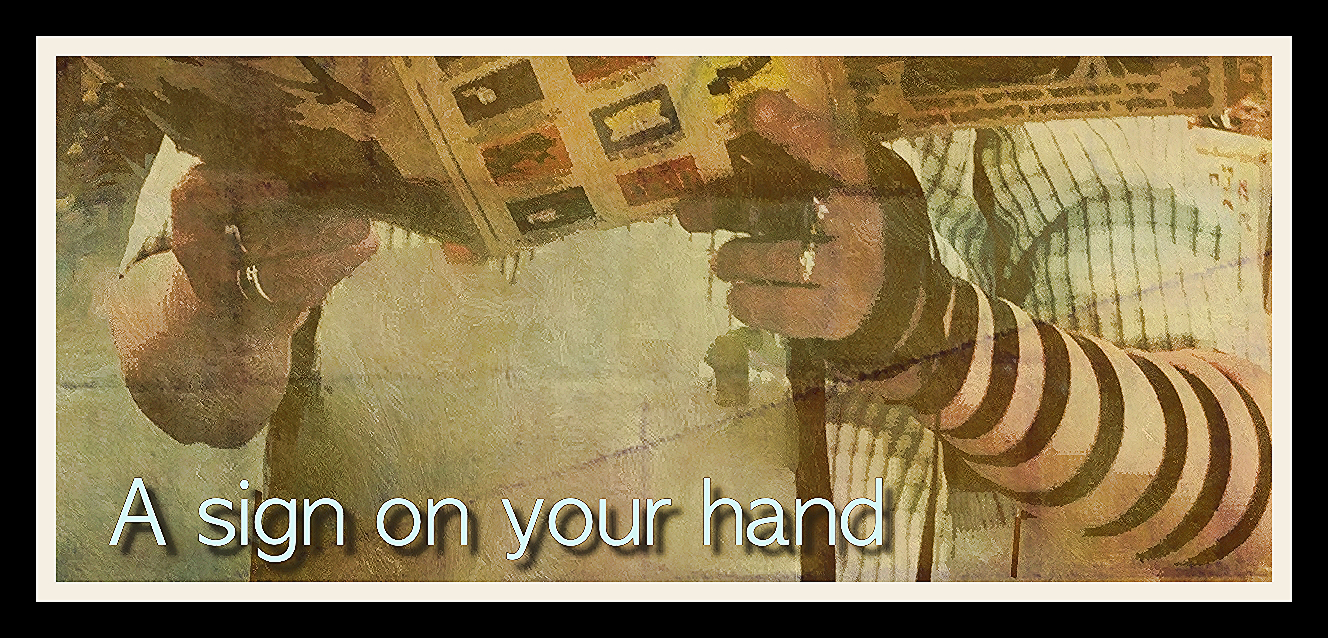
The Importance and Significance of Symbols, and Symbolism When we view symbols, such as the three in the painting of Roni & an Orthodox Jewish friend at the Western Wall in Jerusalem, we should note those things that are symbolic – Seven branch candle stick, Star of David, and the box of the phylacteries on Ron’s head. What do each of these symbolise mean, and what do they signify?
We should note that Judaism and Christianity each have multiple symbols that carry powerful religious meaning that lie at the heart of these two Abrahamic faiths. Though some are distinctive to its specific faith, others are significant to both. So, let’s begin by exploring some of these powerful images and explore their importance.
Some synonyms for ‘type’: sign, character, mark, letter, hieroglyph, ideogram, emblem, token, representation, figure, image, type, metaphor, and allegory.
HIGHLIGHTS:
What do you understand from the idea of symbol & symbolism?
With the use of a graphic image such as a Star of David or menorah how does that define Judaism?
Think about the significance of wearing a sign or symbol on your arm, and between your eyes – how do these influence ‘faith,’ and ‘practice?’
Learn to say the Shema in Hebrew – Follow the Link below.
In the New Testament in John’s Gospel Chapter 1 we have several symbols such as “light,” “Lamb of God,” how does these assist our understanding of the Messianic faith?
The symbol of the Menorah, Star of David, with a Cross, and the Fish, what do these images symbolise?
Read John Chapter 1 and identify as many symbols as you can, and think about how they may be applied?