Thomas Harris’sI’m OK—You’re OKand the Fragility of Human Relationships
One of the most influential books on human relationships published during the twentieth century was Thomas A. Harris’s I’m OK—You’re OK (1967). Based on the principles of Transactional Analysis developed by psychiatrist Eric Berne, Harris sought to explain why people so often misunderstand one another, become trapped in destructive patterns of behaviour, and struggle to communicate effectively.
His central message was both simple and profound. Healthy relationships begin when we recognise the worth and dignity of both ourselves and others. Rather than approaching life from positions of superiority, inferiority, blame, or rejection, Harris encouraged us to adopt the life position expressed in five memorable words:
“I’m OK—You’re OK.”
This does not suggest that people are perfect or that conflict can be avoided altogether. Rather, it recognises that every human being deserves respect, even when disagreements arise. The challenge is to understand what happens when relationships begin to unravel.
Most of us have experienced how quickly affection can give way to disappointment, frustration, or even anger. A friendship can cool because of a careless remark. A marriage can suffer through unspoken hurts. Families become divided over misunderstandings. Trust can be weakened by broken promises, wounded pride, or assumptions that are never questioned.
The journey from love to hate is often much shorter than we imagine.
Yet the reverse journey is also possible. Honest conversation, humility, forgiveness, and a willingness to listen can restore relationships that once seemed beyond repair.
The following poem reflects on that fragile boundary between two of our most powerful emotions.
Shalom Radio UK is an independent radio blog sponsored by MTMI – Messianic Teaching Ministry International. We are non-aligned and non-sectarian. We present a Messianic Jewish Perspective.
This month, it is our pleasure to welcome:
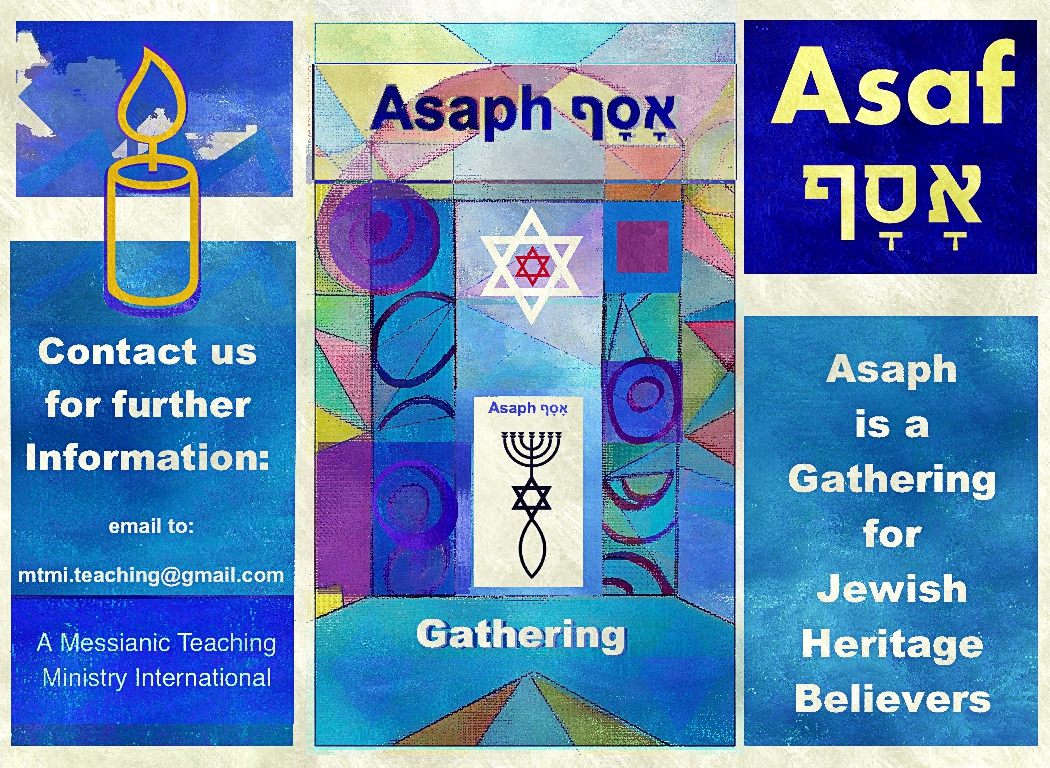
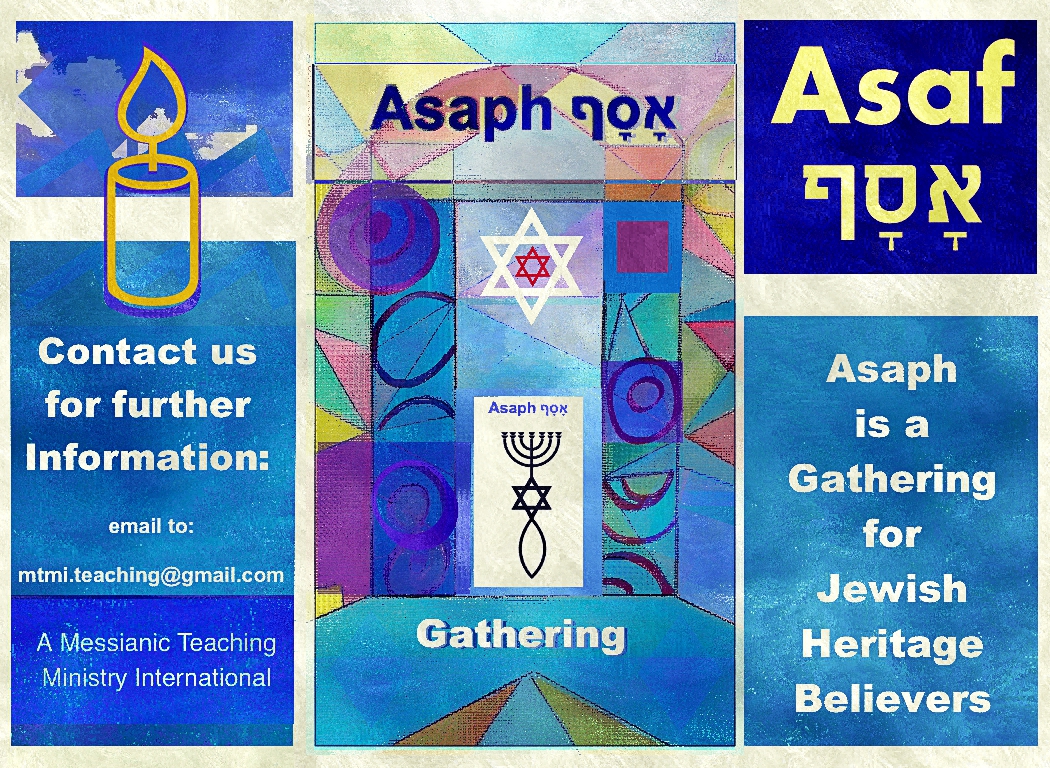
Asaph which is co-sponsored by CMJ UK – The Church’s Ministry Among Jewish People
Asaph is an online gathering of Jesus-believing-Jews and those from a Jewish heritage that meets monthly:
When you mail us, ask for more information about the Asaph meetings. We will put you in contact with one of the team members.
Who is Asaph?
When we ask, “Who is Asaph?”, we discover a fascinating figure from the biblical tradition. The name Asaph is commonly understood to mean “gatherer,” and he is remembered as a collector and composer connected with the Psalms.
The Psalms of Asaph — found in Psalm 50 and Psalms 73–83 — form a collection of twelve deeply reflective and often sombre songs. Asaph was a Levite musician, worship leader, and prophetic voice appointed during the reign of King David, serving before the Ark of the Covenant.
These Psalms are not merely songs of praise; they are honest conversations with God. They wrestle with some of life’s most difficult questions: Why do the wicked appear to prosper? Why do the faithful suffer? Where is God when His people experience pain and crisis?
One of the central themes in Asaph’s writings is the prosperity of the wicked. In Psalm 73, Asaph openly admits his struggle as he looks at the arrogant and successful, wondering why those who reject God seem to flourish. Yet, through his encounter with God, his perspective changes. He comes to recognise that earthly success is temporary, while God’s justice and faithfulness endure forever.
Another important theme is true worship versus empty ritual. In Psalm 50, God reminds His people that He is not seeking religious activity without genuine devotion. God desires gratitude, obedience, and a heart that is truly committed to Him rather than outward acts performed without sincerity.
The Psalms of Asaph also express national grief and crisis. Psalms such as 74 and 79 give voice to the sorrow of a people experiencing devastation, including the destruction of the Temple. These prayers reveal the pain of asking why God seems silent during times of suffering.
Yet, throughout these Psalms, there is a powerful message of hope. Although Asaph begins with confusion, sorrow, and uncertainty, he repeatedly returns to the truth that God remains sovereign. Human circumstances may change, but God’s presence, justice, and faithfulness remain constant.
These Psalms were written not only for worship but also for instruction. They remind future generations to remember God’s mighty works, remain faithful during hardship, and trust Him even when the path ahead appears uncertain.
One of the most beautiful expressions of renewed faith is found in Psalm 73:
“Yet I am continually with You; You hold me by my right hand. You guide me with Your counsel, and afterward receive me to glory.” — Psalm 73:23–24
The journey of Asaph teaches us that faith does not mean the absence of questions. Rather, it means bringing our deepest struggles before God and discovering that, even in the darkest moments, He remains present, guiding, and holding us by His hand.
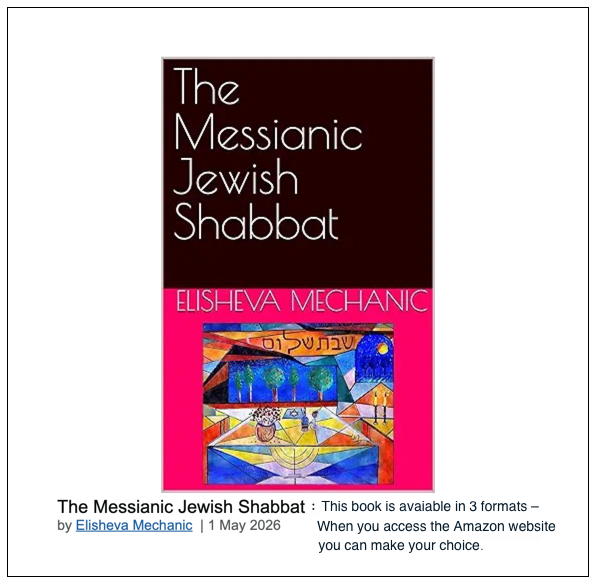
A Messianic Jewish Shabbat – Celebrating the Sabbath – With Elisheva Mechanic who is the author of The Messianic Jewish Shabbat.
This the link that leads to my PayPal account, where you can easily support my blog and the content that I create. Your contributions help me to continue producing high-quality articles, engaging stories, and insightful reflections. Every donation, no matter how small, makes a significant difference and allows me to invest in better resources, conduct more research, and share even more valuable information with all of you. I appreciate your support and dedication to my work, and together, we can create a thriving community around the topics that matter most to us. Thank you for considering a contribution to my blog!
All musical compositions are written by Roni Mechanic, set to music, and performed by various artists across several genres.
Click on the Link to Listen:
To encourage and build up your faith!
Beauty is in the eye of the beholder!
If you are of a Jewish heritage background, and are interested in discovering more about Asaph – Gatherings [Online], please contact us at: mtmi.teaching@gmail.com
PLEASE MAKE A CHARITABLE DONATION TO ASSIST WITH RUNNING COSTS:
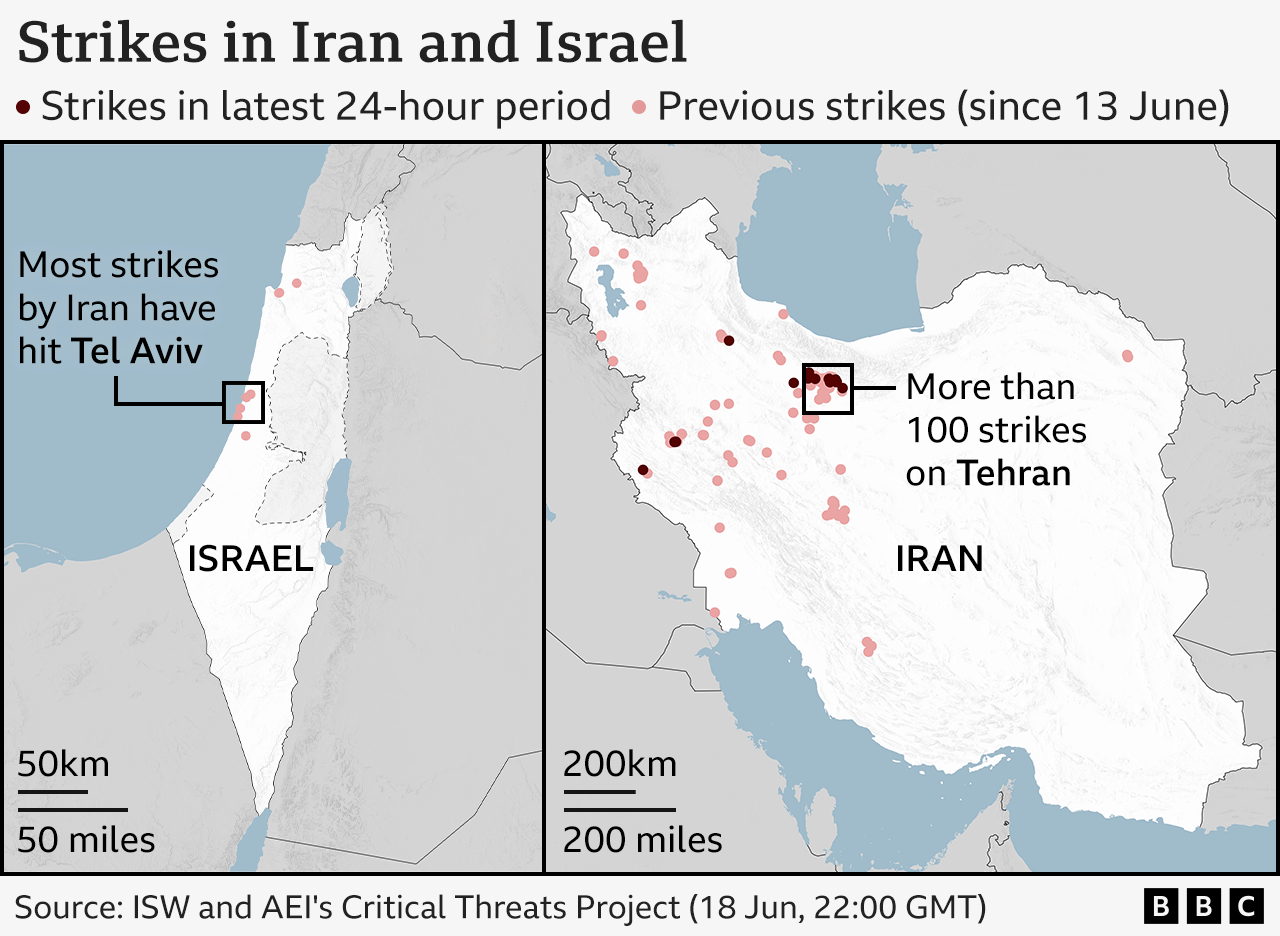
The Intractable Problem of the Jewish––Arab Claims and Counter Claims as to Who Does this Land Belong To?
Click below to listen:
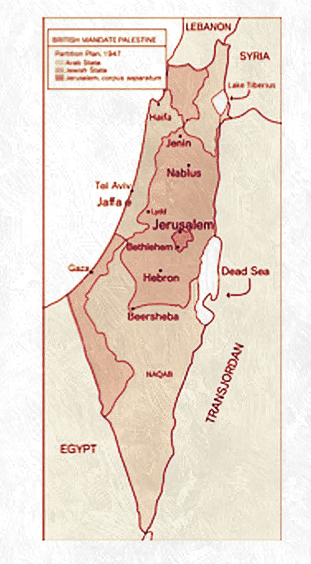
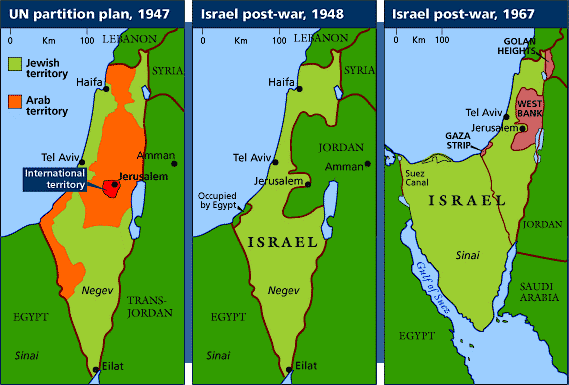
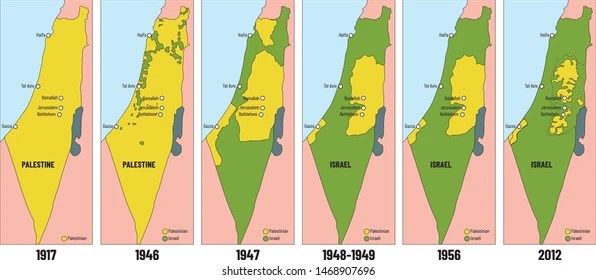
The British Mandate of Palestine ended with the 1947 Partition Plan. It was accepted by the Jews but rejected by the Arabs. In 1948, five Arab nations declared war on the fledgling Jewish state. And Israel to the Surprise of All won that War and Increased the Size of Her Territory – Israel’s Territory was the Cream Coloured Land and the Orange was the Arabs Land in the 1947 Patrician Plan
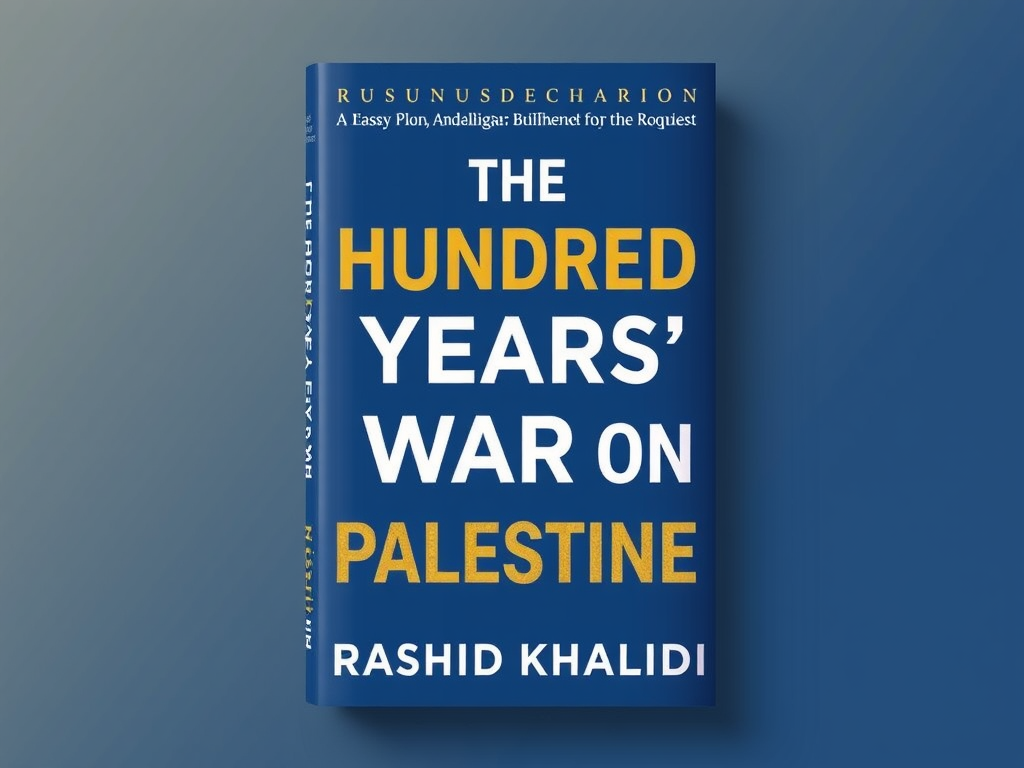
The Narrative is told by a Palestinian Academic, Rashid Khalidi. He is an out and out Palestinianist and anti-Zionist.
How are we to respond to the continued Palestinian ‘Resistance?’
In a Nut-shell – the Jews stole Palestine, and are Settlers, and Colonialist. They have no legitimate rights to the Land of Palestine. Zionism is a form of Imperialist Colonialism. It has continued for over 129 years. It is totally illegitimate.
‘From the River (Jordan) to the Sea (Mediterranean).’
‘Juden-Rein – Jews Free!’ Tough nuts on the hapless Jews – You have brought it upon yourselves…blah, blah, blah. The sickness of Palestinianist thinking knows no limit –
So, how are we to respond? Yet is there not another way?
The Return Of Jews To Israel
The Arab figure most prominently associated with assisting Adolf Hitler and Nazi Germany during World War II was Hajj Amin al-Husseini (also spelled Haj Amin al-Husseini), the Grand Mufti of Jerusalem.
Arab Rejectionist Mentality –– Though Israel has continually from 1947 offered to give the Arabs their own state of Palestine, this offer has been repeated several times. Despite this, each proposal has been rejected consistently.
Today, “The Two-State,” choice is all but dead – The ARABS HAVE THEMSELVES TO BLAME!
But God!
What does Scripture say about Israel, and Jewish future?
Therefore say, ‘Thus says the Lord God: I will gather you from the peoples and assemble you out of the countries where you have been scattered, and I will give you the land of Israel.’
Then you will call upon me and come and pray to me, and I will hear you. You will seek me and find me, when you seek me with all your heart. I will be found by you, declares the Lord, and I will restore your fortunes and gather you from all the nations and all the places where I have driven you, declares the Lord, and I will bring you back to the place from which I sent you into exile. “Because you have said, ‘The Lord has raised up prophets for us in Babylon,’ thus says the Lord concerning the king who sits on the throne of David, and concerning all the people who dwell in this city, your kinsmen who did not go out with you into exile: …
Behold, a day is coming for the Lord, when the spoil taken from you will be divided in your midst. For I will gather all the nations against Jerusalem to battle, and the city shall be taken and the houses plundered and the women raped. Half of the city shall go out into exile, but the rest of the people shall not be cut off from the city. Then the Lord will go out and fight against those nations as when he fights on a day of battle. On that day his feet shall stand on the Mount of Olives that lies before Jerusalem on the east, and the Mount of Olives shall be split in two from east to west by a very wide valley, so that one half of the Mount shall move northward, and the other half southward. And you shall flee to the valley of my mountains, for the valley of the mountains shall reach to Azal. And you shall flee as you fled from the earthquake in the days of Uzziah king of Judah. Then the Lord my God will come, and all the holy ones with him. …
Who has heard such a thing? Who has seen such things? Shall a land be born in one day? Shall a nation be brought forth in one moment? For as soon as Zion was in labor she brought forth her children.
Lest you be wise in your own sight, I do not want you to be unaware of this mystery, brothers: a partial hardening has come upon Israel, until the fullness of the Gentiles has come in.
I ask, then, has God rejected his people? By no means! For I myself am an Israelite, a descendant of Abraham, a member of the tribe of Benjamin. God has not rejected his people whom he foreknew. Do you not know what the Scripture says of Elijah, how he appeals to God against Israel? “Lord, they have killed your prophets, they have demolished your altars, and I alone am left, and they seek my life.” But what is God’s reply to him? “I have kept for myself seven thousand men who have not bowed the knee to Baal.” So too at the present time there is a remnant, chosen by grace. …
It shall come to pass in the latter days that the mountain of the house of the Lord shall be established as the highest of the mountains, and shall be lifted up above the hills; and all the nations shall flow to it,
“And if you faithfully obey the voice of the Lord your God, being careful to do all his commandments that I command you today, the Lord your God will set you high above all the nations of the earth. And all these blessings shall come upon you and overtake you, if you obey the voice of the Lord your God. Blessed shall you be in the city, and blessed shall you be in the field. Blessed shall be the fruit of your womb and the fruit of your ground and the fruit of your cattle, the increase of your herds and the young of your flock. Blessed shall be your basket and your kneading bowl. …
Jesus left the temple and was going away, when his disciples came to point out to him the buildings of the temple. But he answered them, “You see all these, do you not? Truly, I say to you, there will not be left here one stone upon another that will not be thrown down.” As he sat on the Mount of Olives, the disciples came to him privately, saying, “Tell us, when will these things be, and what will be the sign of your coming and of the end of the age?” And Jesus answered them, “See that no one leads you astray. For many will come in my name, saying, ‘I am the Christ,’ and they will lead many astray. …
For I will gather all the nations against Jerusalem to battle, and the city shall be taken and the houses plundered and the women raped. Half of the city shall go out into exile, but the rest of the people shall not be cut off from the city.
I will gather all the nations and bring them down to the Valley of Jehoshaphat. And I will enter into judgment with them there, on behalf of my people and my heritage Israel, because they have scattered them among the nations and have divided up my land,
“And if you faithfully obey the voice of the Lord your God, being careful to do all his commandments that I command you today, the Lord your God will set you high above all the nations of the earth.
And I saw a beast rising out of the sea, with ten horns and seven heads, with ten diadems on its horns and blasphemous names on its heads. And the beast that I saw was like a leopard; its feet were like a bear’s, and its mouth was like a lion’s mouth. And to it the dragon gave his power and his throne and great authority. One of its heads seemed to have a mortal wound, but its mortal wound was healed, and the whole earth marveled as they followed the beast. And they worshiped the dragon, for he had given his authority to the beast, and they worshiped the beast, saying, “Who is like the beast, and who can fight against it?” And the beast was given a mouth uttering haughty and blasphemous words, and it was allowed to exercise authority for forty-two months. …
And even they, if they do not continue in their unbelief, will be grafted in, for God has the power to graft them in again. For if you were cut from what is by nature a wild olive tree, and grafted, contrary to nature, into a cultivated olive tree, how much more will these, the natural branches, be grafted back into their own olive tree.
“And if you faithfully obey the voice of the Lord your God, being careful to do all his commandments that I command you today, the Lord your God will set you high above all the nations of the earth. And all these blessings shall come upon you and overtake you, if you obey the voice of the Lord your God. Blessed shall you be in the city, and blessed shall you be in the field. Blessed shall be the fruit of your womb and the fruit of your ground and the fruit of your cattle, the increase of your herds and the young of your flock. Blessed shall be your basket and your kneading bowl. …
On that day the Lord made a covenant with Abram, saying, “To your offspring I give this land, from the river of Egypt to the great river, the river Euphrates,
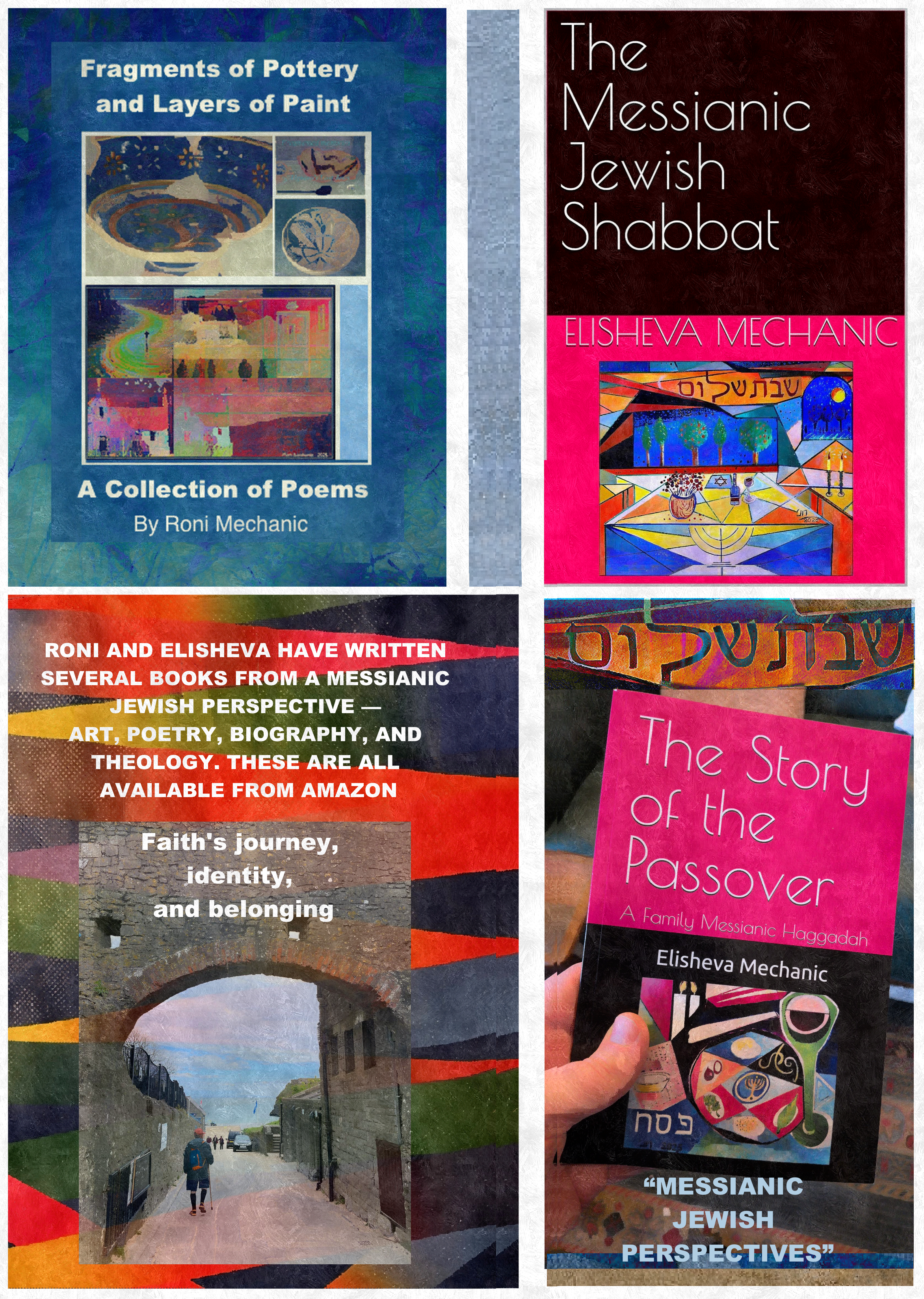
Buy your own copy from Amazon
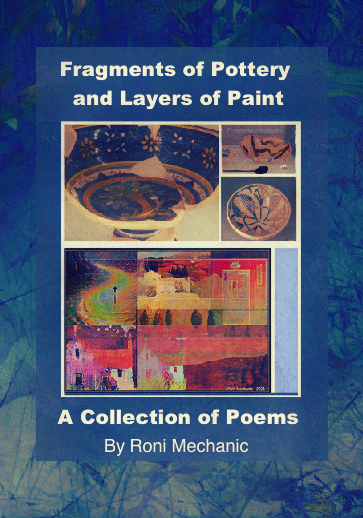
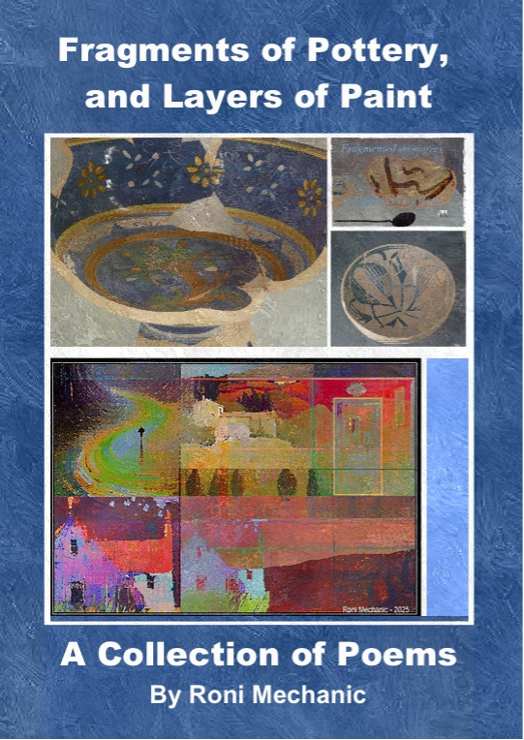
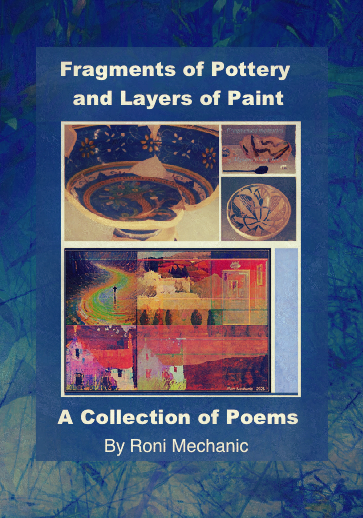
In this collection of poems, I invite you to walk with me—to be lifted, encouraged, and drawn into a deeper poetic journey. Within these pages, language opens doors to whimsical landscapes and emotional spaces where words move, breathe, and come alive. Each poem reaches toward the hidden places of thought and longing, calling you to listen, to imagine, to feel. Together, we will move through the highs and lows of the human experience, discovering moments of solace, joy, and quiet inspiration in the shared art of poetry.
PLEASE MAKE A CHARITABLE DONATION TO SHALOM RADIO UK:
You’re writing your autobiography. What’s your opening sentence?
In this life I have sought to live it well. Despite all the difficulties, pitfalls, obstacles which I have encountered, I determined a long time ago that through those words of Winston Churchill – “Men never give up,” that I am constantly reminded that I am not a quitter but am grateful for the stubborn streak that is part of my DNA.
[Please refer to this Text and Commentary on the Wisdom of Solomon] ––
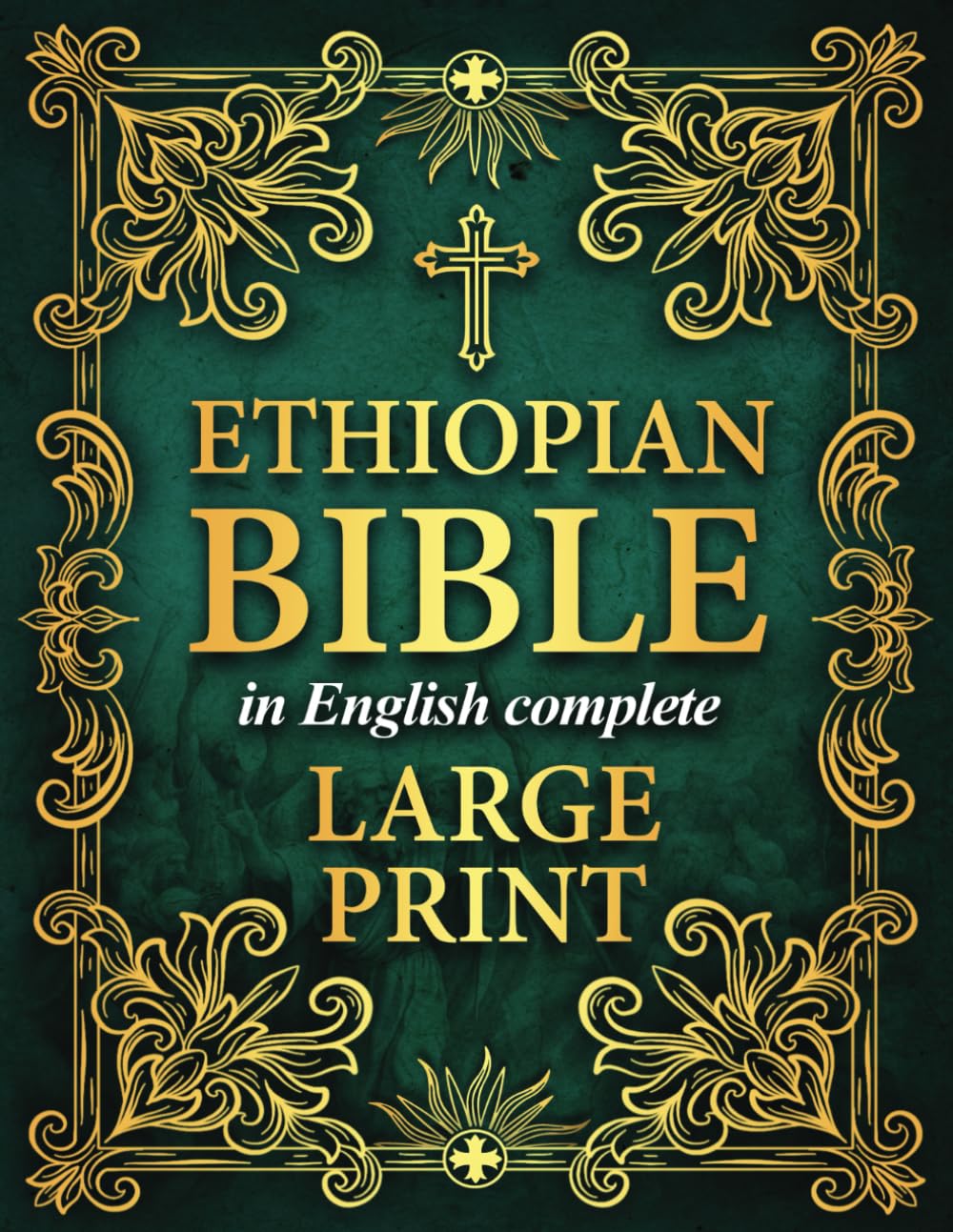
When we study Intertestamental literature—often called the Apocrypha or Pseudepigrapha—we quickly notice a striking difference between biblical canons. The Ethiopian Bible contains far more books (81 or 88, depending on classification) than the Protestant Bible’s 66. This raises an obvious question: why such a large discrepancy?
The answer is that the Bible was not canonized in a single moment. Rather, the canon developed gradually over several centuries. The New Testament reached broad agreement by the late fourth century, when Athanasius of Alexandria listed the 27 books now universally recognized. This list was affirmed by Western church councils at Rome, Hippo, and Carthage. The Hebrew Bible likewise reached consensus among Jewish communities by the second century CE, though its formation was also long and complex.
Later developments further shaped the differences we see today. The Roman Catholic canon was formally defined at the Council of Trent in response to the Reformation, while Protestant churches finalized their canon in the seventeenth century, limiting the Old Testament to the books preserved in Hebrew by rabbinic Judaism. This resulted in the familiar Protestant Bible of 39 Old Testament books and 27 New Testament books.
By contrast, the Ethiopian Christian tradition followed a very different historical path. Christianity reached Ethiopia by the fourth century, and the church developed largely outside later European theological debates. Rather than revising its Scriptures in response to post–Second Temple Jewish decisions or Reformation controversies, Ethiopia preserved the texts it had received early on. These writings were transmitted in Ge’ez, the sacred liturgical language, with remarkable continuity.
This distinct inheritance is tied closely to the theology of the Ethiopian Orthodox Tewahedo Church. Central to its faith is Tewahedo, meaning “made one,” a deep emphasis on the unity of Christ’s divinity and humanity. This instinct toward unity rather than analytical division shaped not only Ethiopian Christology but also its approach to Scripture. The Ethiopian canon retains books that disappeared from most other Christian Bibles, including 1 Enoch and Jubilees—texts widely read in Second Temple Judaism and echoed in the New Testament itself. Modern discoveries such as the Dead Sea Scrolls confirm that these works were once part of a broader Jewish scriptural world.
The difference between Ethiopian, Catholic, and Protestant Bibles, therefore, is not a matter of one tradition being careless or another adding texts late. It reflects different historical journeys. Protestant Christianity aligned its Old Testament with the later, standardized Jewish canon. Ethiopian Christianity preserved an earlier and wider collection of sacred writings rooted in ancient Jewish and early Christian usage. What initially appears strange is actually a window into the diverse ways Scripture was received and transmitted.
Within this landscape, The Wisdom of Solomon occupies a distinctive place. Written in Greek by a Hellenistic Jewish author in Alexandria during the late Second Temple period, it expresses Jewish faith through Greek philosophical categories. It strongly influenced early Christian thought and is fully accepted in Catholic and Eastern Orthodox traditions. However, it never entered the Hebrew canon and was therefore excluded from Protestant Bibles. Interestingly, despite preserving other ancient Jewish texts, the Ethiopian canon does not include Wisdom of Solomon, likely because it was never transmitted within the Ge’ez scriptural tradition.
This leads to enduring questions: How do we define canon and orthodoxy? Who sets those boundaries? How should believers today respond to different biblical traditions? For Messianic Jewish believers in particular, the challenge is to honour the Hebrew Scriptures, recognize the significance of the Reformation, remain open to Eastern and ancient Christian traditions, and thoughtfully engage intertestamental literature without confusing historical value with canonical authority.
Seen this way, the question of canon is not merely about counting books. It is about inheritance, history, theology, and faithfulness—and about learning to navigate difference with clarity, humility, and discernment.
Significant influences
The author of Wisdom appears to be a euhemerist, treating mythology as disguised history in which gods represent notable human figures. It He is also deeply Platonist, viewing the beauty of the world as pointing to a supreme First Cause, and drawing on Plato’s ideas of pre-existing matter (xi.17), the soul’s pre-existence (viii.19), and the body as an obstacle to spiritual knowledge (ix.15).
At the same time, it he reflects Stoic thought in his portrayal of Wisdom’s penetrating power (vii.24), her quick understanding (vii.22), the doctrine of Providence (xiv.3), and the four cardinal virtues (viii.7). Set against the biblical affirmation that God created all things from tohu va-vohu (Gen. 1:2–5), these philosophical strands point strongly to Alexandrian Egypt as the author’s milieu. He was a Jew firmly loyal to Israel’s faith yet fully engaged with Greek learning—something Alexandria uniquely enabled.
A Question to ponder
In our consideration and deliberations, it is important to contemplate how in many ways, the book of Wisdom itself embodies the very tension of the intertestamental age: Israel’s ancient faith speaking fluently in the language of the surrounding world, standing on the threshold between the Hebrew Scriptures and the New Testament vision that would soon emerge. It is helpful to discuss some of the questions that arise from a book like The Wisdom of Solomon.
“What may we deduce, and learn from its place between the two testaments, and what impact if any does it have on post-Second Temple Judaism, and the emerging Christian Church?”
The Psalms of Solomon
The Psalms (or Psalter) of Solomon are not part of the Ethiopic (Ethiopian Orthodox) biblical canon. This most definitely must not be confused with The Wisdom of Solomon.
Here’s the fuller, careful picture:
The Psalms of Solomon are a Jewish work from the 1st century BCE, probably written in response to the Roman conquest of Jerusalem. They are extremely important historically and theologically, especially because they contain some of the clearest pre-Christian Jewish expectations of a Davidic Messiah.
However, despite their value:
They are not included in the Ethiopian Orthodox Tewahedo Church’s canon (neither the narrower 88-book canon nor the broader liturgical collections).
They were never translated into Ge’ez as part of Ethiopia’s received scriptural tradition.
They survive primarily in Greek manuscripts, with later Syriac versions—not in Ethiopic transmission.
This is an important distinction, because people often assume that any Second Temple Jewish text survived in Ethiopia. That isn’t the case. Ethiopia preserved some texts that vanished elsewhere (like 1 Enoch and Jubilees), but not all of them.
Why were the Psalms of Solomon excluded while Enoch and Jubilees were retained?
The most likely reason is usage, not theology. Enoch and Jubilees were deeply embedded in certain Jewish-Christian communities very early and became part of Ethiopia’s inherited liturgical and instructional life. The Psalms of Solomon, while respected, seem to have remained more sectarian and limited in circulation, never achieving the same canonical status in any major Christian tradition.
So, interestingly:
Quoted in the New Testament? No.
Found among the Dead Sea Scrolls? No (unlike Jubilees).
Canonical anywhere in Christianity? No.
Massively important for Messianic expectations? Absolutely yes.
In other words, the Psalms of Solomon sit in a fascinating middle space: hugely illuminating for understanding Jewish messianism at the time of Jesus, but never formally canonized—even in Ethiopia.
Conclusion
We are on an exciting, and dare I say it, an epic journey that with careful thought and deliberation can only but enrich our spiritual walk. “Tread carefully, and not in haste!” We must keep in focus that our purpose is to enhance our Messianic faith, and upbuild a credible Messianic Jewish theological understanding.
In this collection of poems, I invite you to walk with me—to be lifted, encouraged, and drawn into a deeper poetic journey. Within these pages, language opens doors to whimsical landscapes and emotional spaces where words move, breathe, and come alive. Each poem reaches toward the hidden places of thought and longing, calling you to listen, to imagine, to feel. Together, we will move through the highs and lows of the human experience, discovering moments of solace, joy, and quiet inspiration in the shared art of poetry.
Heritage is a very important part of our lives, and culture. Who are we? Where do we come from, and where are we going? No one ever said that this journey through life would be easy. Each one of us have had to confront huge challenges along life’s way. And the long awaited ‘son of promise, Isaac,’ born to Abraham and Sarah in their old age becomes the biggest test of their faith ever.
In Genesis 22 we have the narrative of the testing of Abraham our Father:
Abraham’s Faith is Tested
1 Some time later God tested Abraham. He said to him, “Abraham!” “Here I am,” he replied. 2 Then God said, “Take your son, your only son, whom you love—Isaac—and go to the region of Moriah. Sacrifice him there as a burnt offering on a mountain I will show you.” 3 Early the next morning Abraham got up and loaded his donkey. He took with him two of his servants and his son Isaac. When he had cut enough wood for the burnt offering, he set out for the place God had told him about. 4 On the third day Abraham looked up and saw the place in the distance. 5 He said to his servants, “Stay here with the donkey while I and the boy go over there. We will worship and then we will come back to you.” 6 Abraham took the wood for the burnt offering and placed it on his son Isaac, and he himself carried the fire and the knife. As the two of them went on together, 7 Isaac spoke up and said to his father Abraham, “Father?” “Yes, my son?” Abraham replied. “The fire and wood are here,” Isaac said, “but where is the lamb for the burnt offering?”8 Abraham answered, “God himself will provide the lamb for the burnt offering, my son.” And the two of them went on together. 9 When they reached the place God had told him about, Abraham built an altar there and arranged the wood on it. He bound his son Isaac and laid him on the altar, on top of the wood. 10 Then he reached out his hand and took the knife to slay his son. 11 But the angel of the LORD called out to him from heaven, “Abraham! Abraham!” “Here I am,” he replied. 12 “Do not lay a hand on the boy,” he said. “Do not do anything to him. Now I know that you fear God, because you have not withheld from me your son, your only son.” 13 Abraham looked up and there in a thicket he saw a ram caught by its horns. He went over and took the ram and sacrificed it as a burnt offering instead of his son. 14 So Abraham called that place The LORD Will Provide. And to this day it is said, “On the mountain of the LORD it will be provided. 15 The angel of the LORD called to Abraham from heaven a second time 16 and said, “I swear by myself, declares the LORD, that because you have done this and have not withheld your son, your only son, 17 I will surely bless you and make your descendants as numerous as the stars in the sky and as the sand on the seashore. Your descendants will take possession of the cities of their enemies,18 and through your offspring all nations on earth will be blessed, because you have obeyed me.”
So, who do you think you are?
You are a human being?
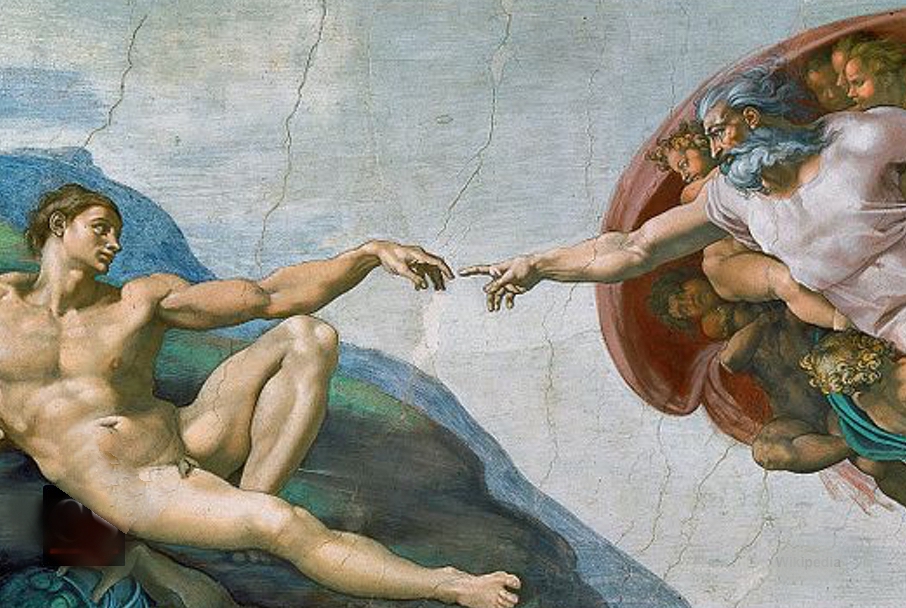
According to the Scriptures we are created in the image of G_D –– that does not mean his physical likeness, but his moral nature and being, i.e., G–D likeness. However, there is an inherent flaw to our character due to the ‘fall.’ Sin entered the world to the disobedience and rebellion of our common ancestors –– Adam, and Eve.
Please make a Donation today towards theRunning Podcast’s Costs: