A scene –– featuring candles and Star of David symbols set against a quaint street in Alghero, Italy, symbolizing remembrance and reflection.
While on vacation together with my wife Elisheva we are staying in the beautiful seaside town of Alghero in the island of Sardinia which is part of Italy.
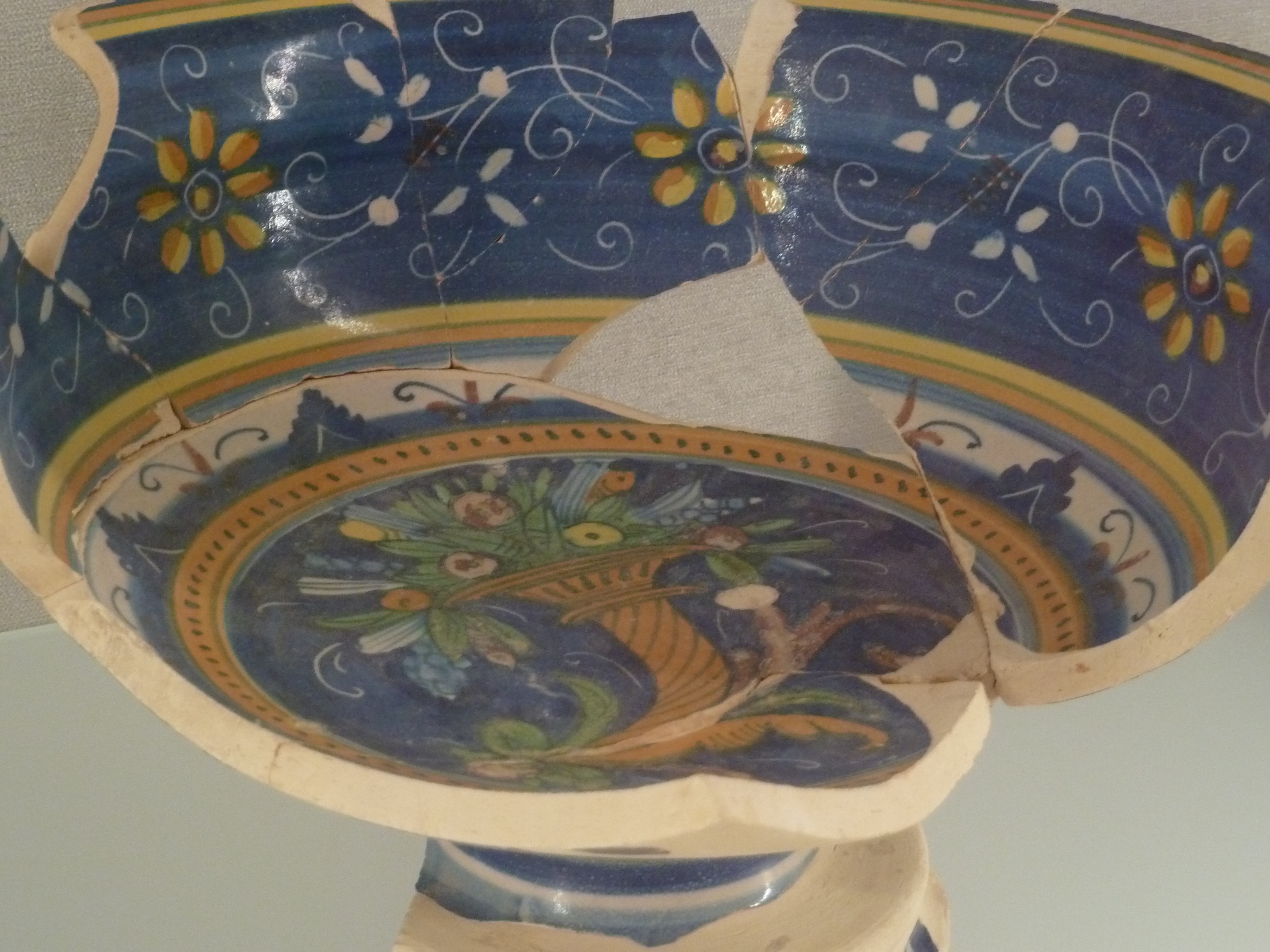
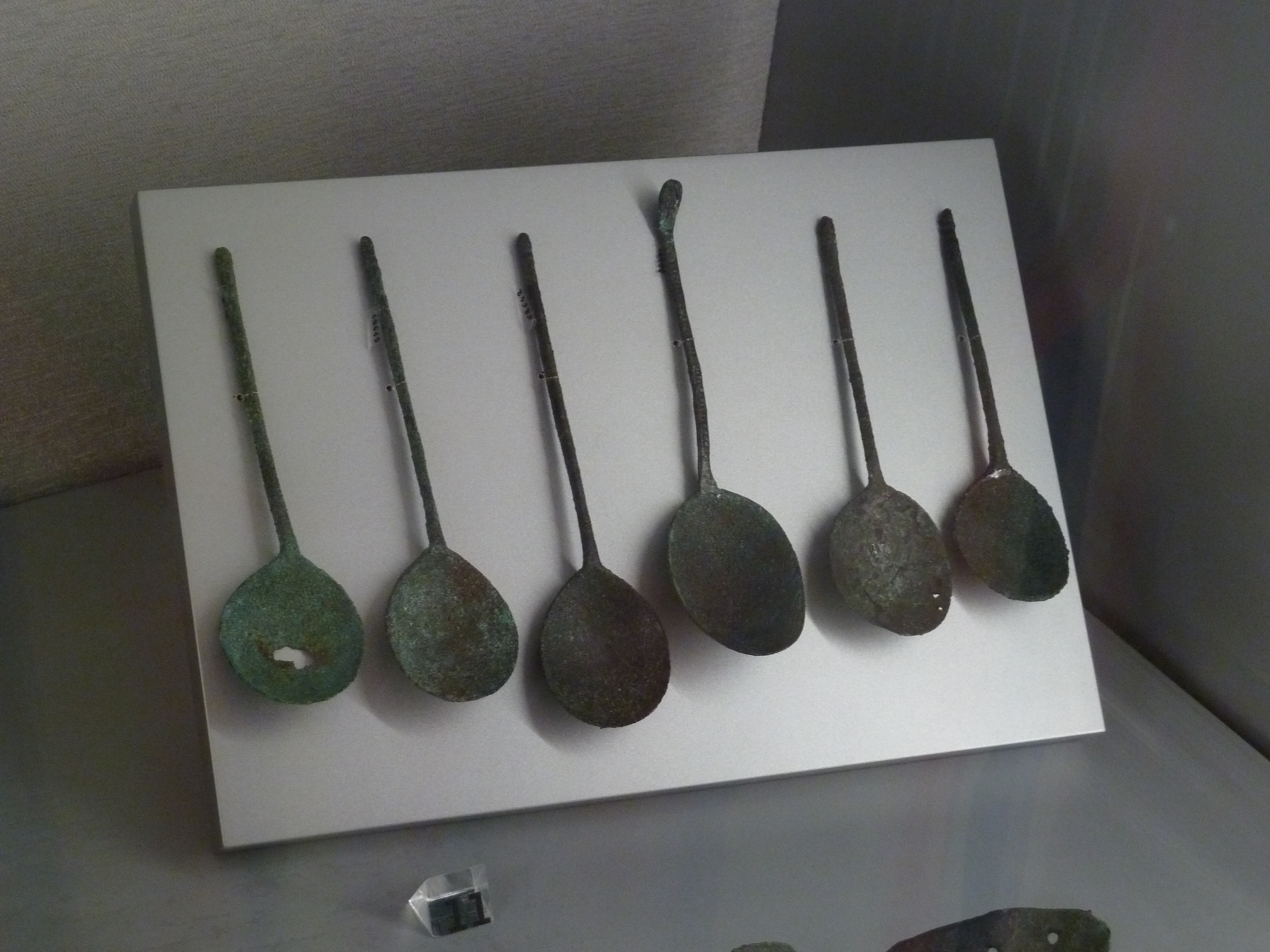
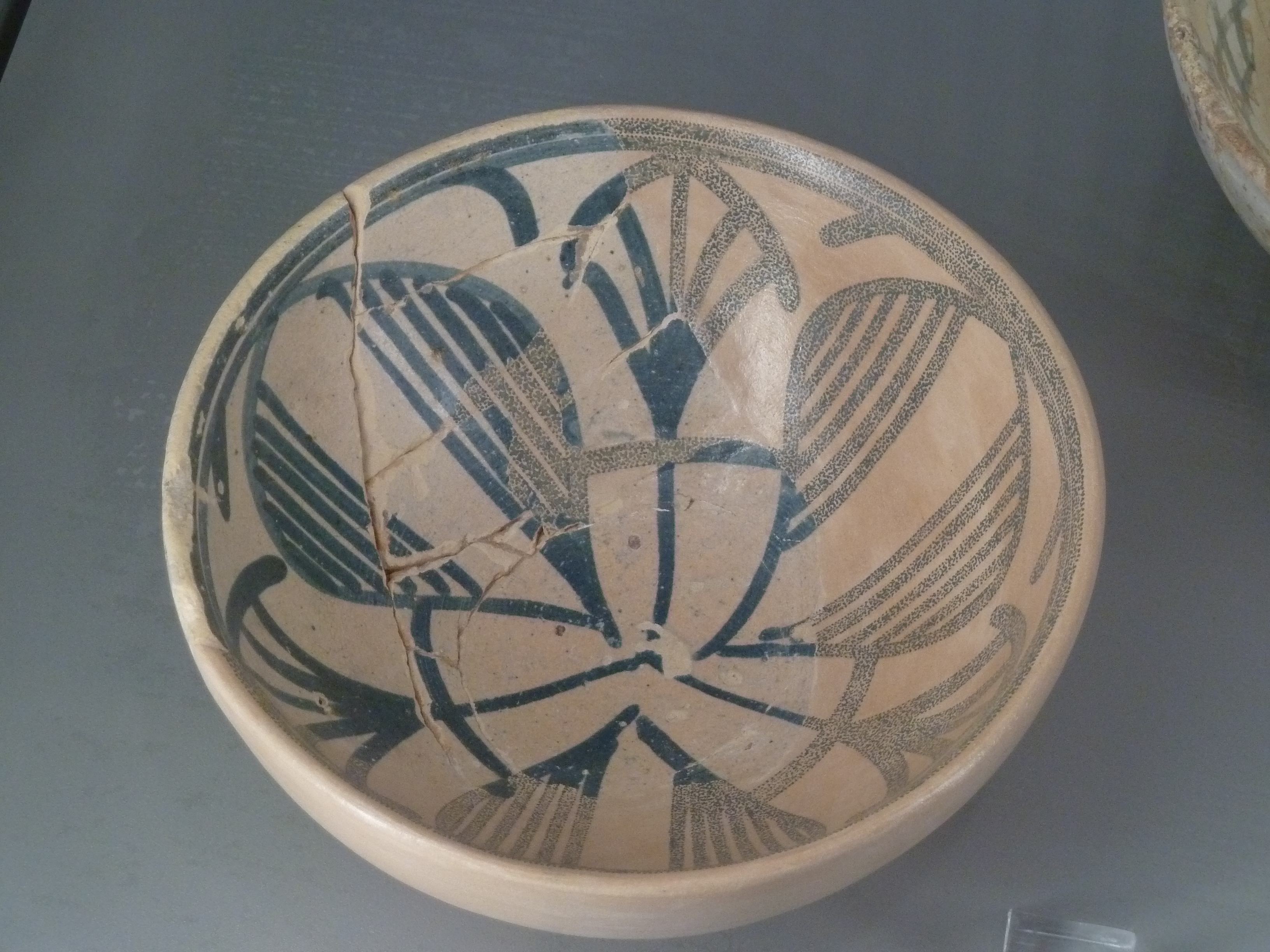
Besides the Italian people, their food, their drink, and especially their rich culture, we made a fascinating discovery on our visit to the city museum – In the Middle Ages it had a rich history of the Jewish community on this island.
Pottery fragments, and other similar domestic have been found and reconstructed and are now being preserved for all to see.
So Where Have All the Jews Gone?
Sardinia during that period was administered by Spain. So far sogood — the truth be told not ‘so good!’ At that time there was no place in their realm for Jews.–– Exile, conversion, or death.’
Have we not been there before? At the present the Spanish Government is taking an anti-Israel stance which we can only pray will be reversed lest history repeats itself.
I firstly wrote this piece of prose from which I then created a poem following a visit to the Alghero Museum, and Catholic Cathedral and reading a description of a side chapel in remembrance of the cities lost Jews.
Alghero Echoes from the Stones
Kaddish Prayer…
English Version…
May the great Name of God be exalted and sanctified, throughout the world, which he has created according to his will. May his Kingship be established in your lifetime and in your days, and in the lifetime of the entire household of Israel, swiftly and in the near future; and say, Amen. May his great name be blessed, forever and ever. Blessed, praised, glorified, exalted, extolled, honored, elevated and lauded be the Name of the holy one, Blessed is he – above and beyond any blessings and hymns, Praises and consolations which are uttered in the world; and say Amen. May there be abundant peace from Heaven, and life, upon us and upon all Israel; and say, Amen.
He who makes peace in his high holy places, may he bring peace upon us, and upon all Israel; and say Amen.
Originally Posted on and Blogged today 1st May 2025 as the Original audio file had been lost and it has been repaired.
Ruth both discovered, and testifies of God’s love throughout her life:
RUTH NESSIM
During April 2017, while I was visiting Ruth Nessim of Nahariyah, Israel, together with her house guest, Betty (Betina) from Germany, a pastor friend Ralf also visiting from Germany called around and Ruth tells her story of how she came to faith. She relates of how she met Albert “her Jewish husband” and the amazing ministry that they shared in Israel together since the 1970’s.
Following Albert’s death nearly a decade ago, Ruth continues to share her faith, with Jews and Arabs in her beloved Israel. She actively promotes fellowship among the diverse communities in the land and this demonstrates how the dividing wall of hostility can be broken down through the sharing of the Good News. This is surely the basis of how a lasting peace may be achieved in not only Israel, but throughout the world?
Ruth’s example of how as a Jewish believer she heard the call of God, to following him, but also listen to how her life made a difference. She tells of the consequence of yielding to that call, and how many others experience God’s life-giving, life-changing power in their lives through her testimony.
LIKE RUTH AND ALBERT YOU TOO CAN DISCOVER GOD’S LOVE FOR YOU PERSONALLY WHOEVER YOU ARE!
IF YOU WOULD LIKE FURTHER HELP IN YOUR DESIRE TO DISCOVER G-D’S LOVE, PLEASE SEND ME A MESSAGE AND I WOULD LOVE TO BE OF ASSISTANCE.:
email: mtmi.teaching@gmail.com
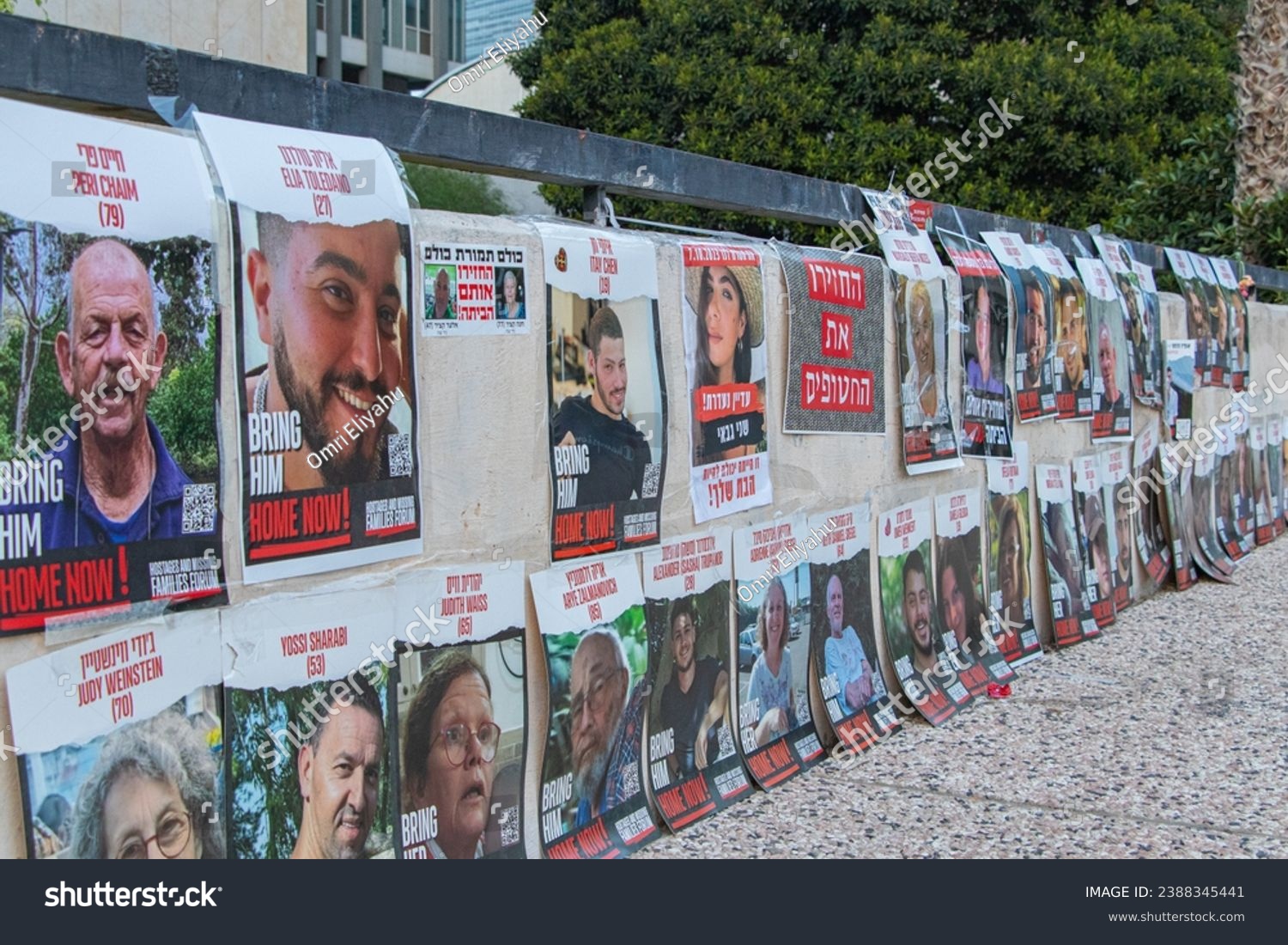
BRING THEM HOME!
Shalom Radio UK is sponsored by MTMI
It is an independent internet based radio programme
MAKE A CHARITABLE DONATION TOWARDS THE BLOG’S RUNNING COSTS:
It is easier said than done! What is? One of the most difficult things in life is to be a good listener –– All too often, we don’t let the other person finish what they are saying before we butt in!
ISRAEL’S RIGHT TO EXISTS IS A FUNDAMENTAL HUMAN RIGHT!
RONI GIVES A STRONG JUSTIFICATION!
Click on the Link Below to Listen to this Podcast:
Clickon this YouTube to Listen to the Full Interview:
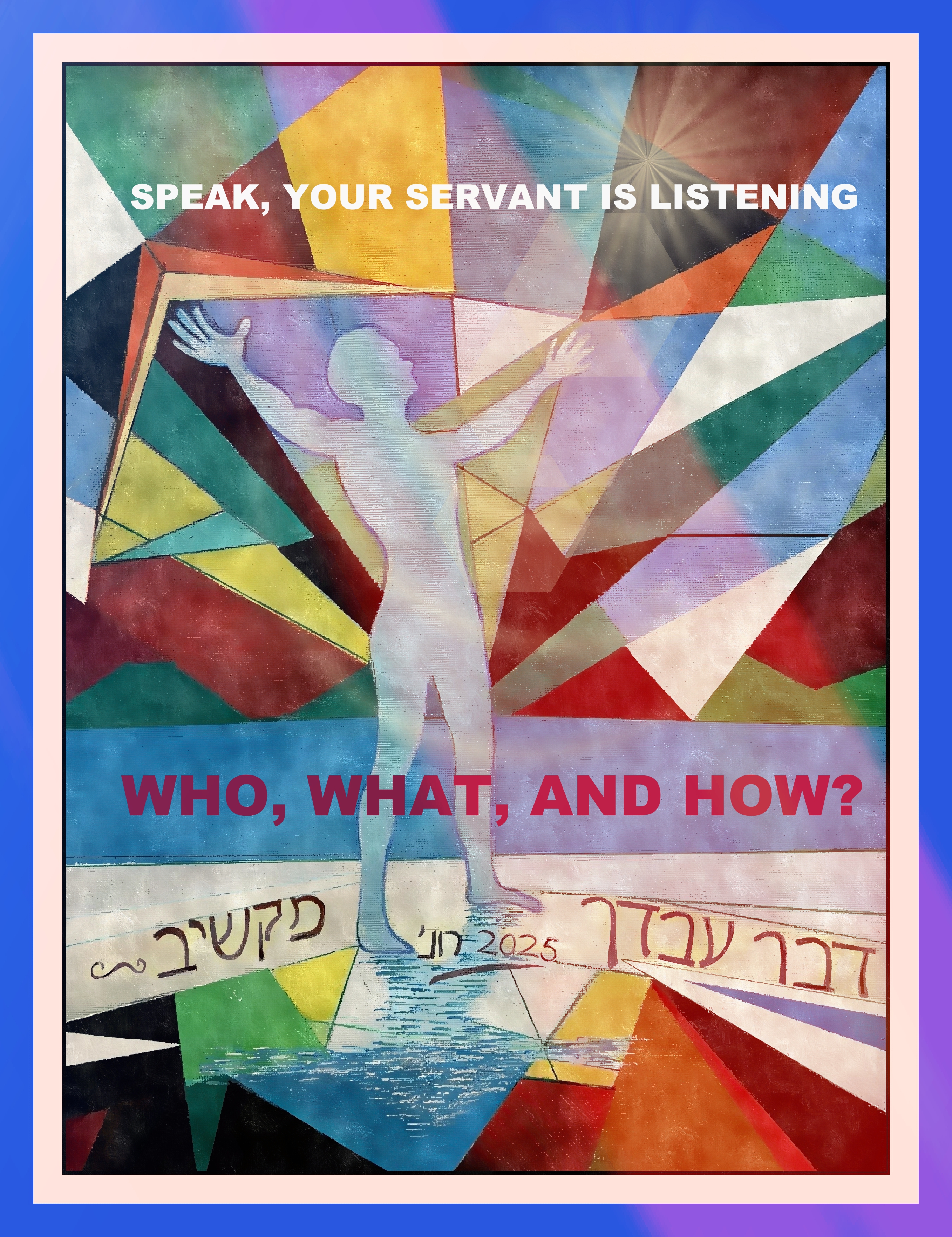
Speak, I am Listening!
Bring Them Home Now!
“You cant’t always get what you want, but you get what you need!”
The Rolling Stones
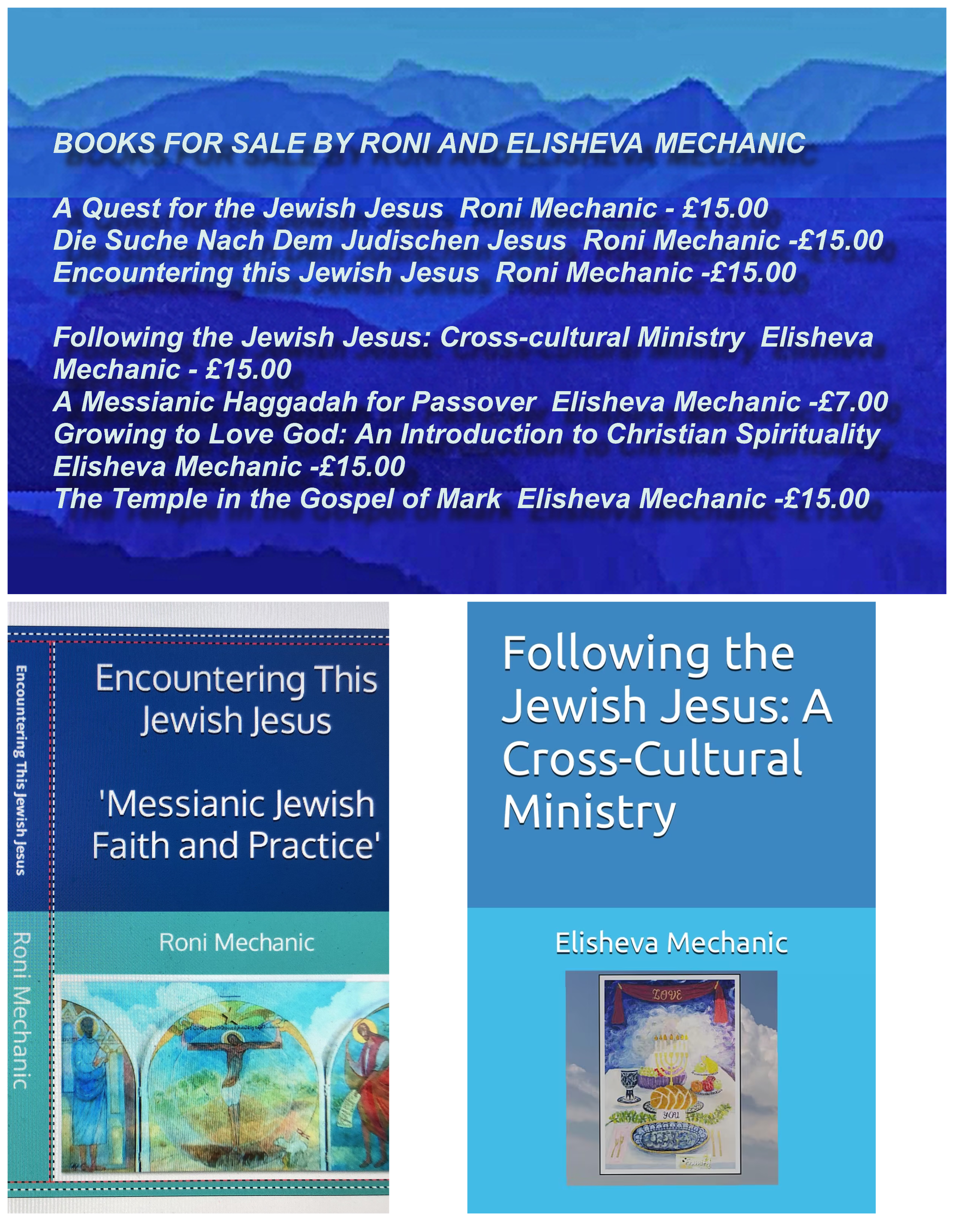
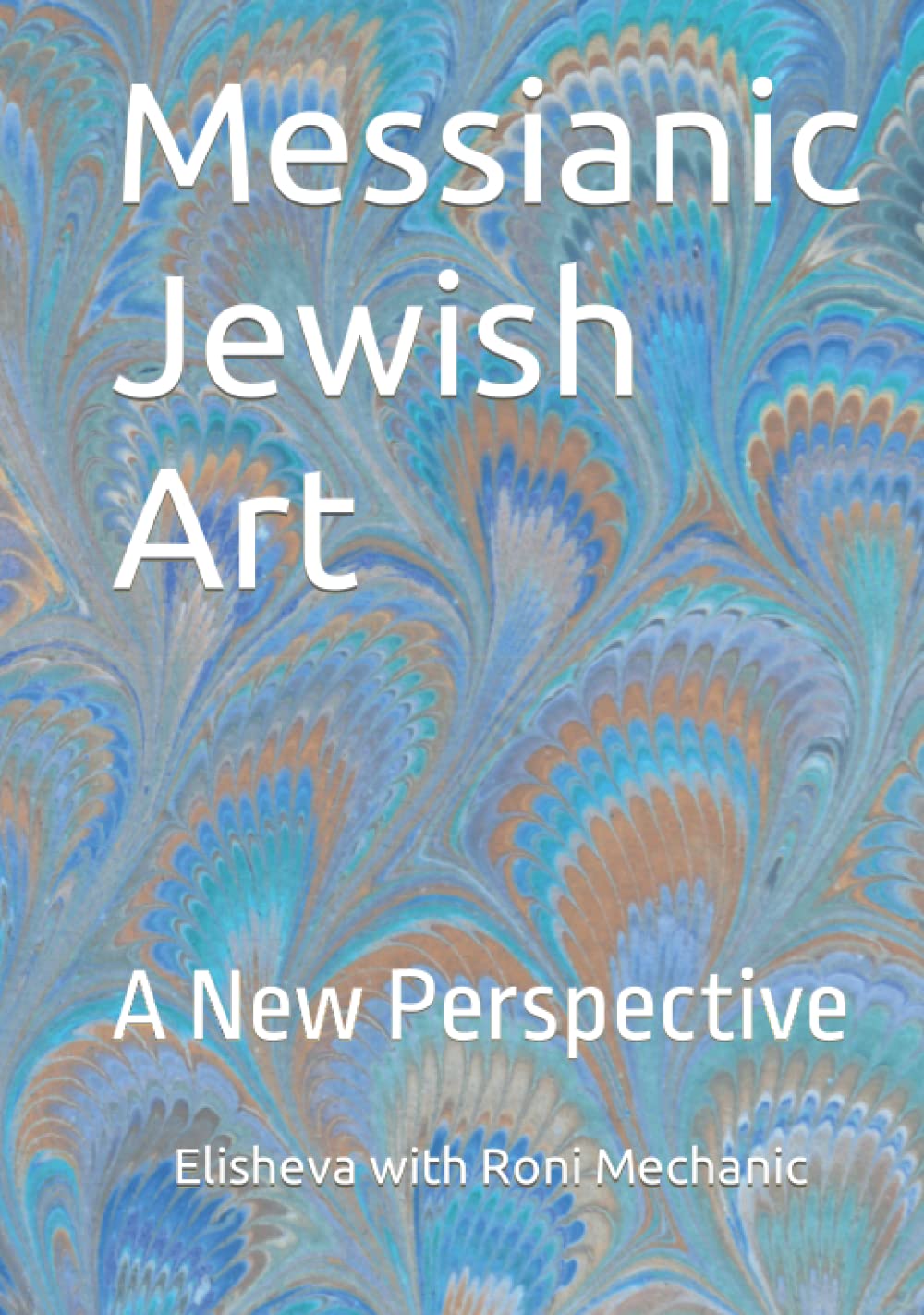
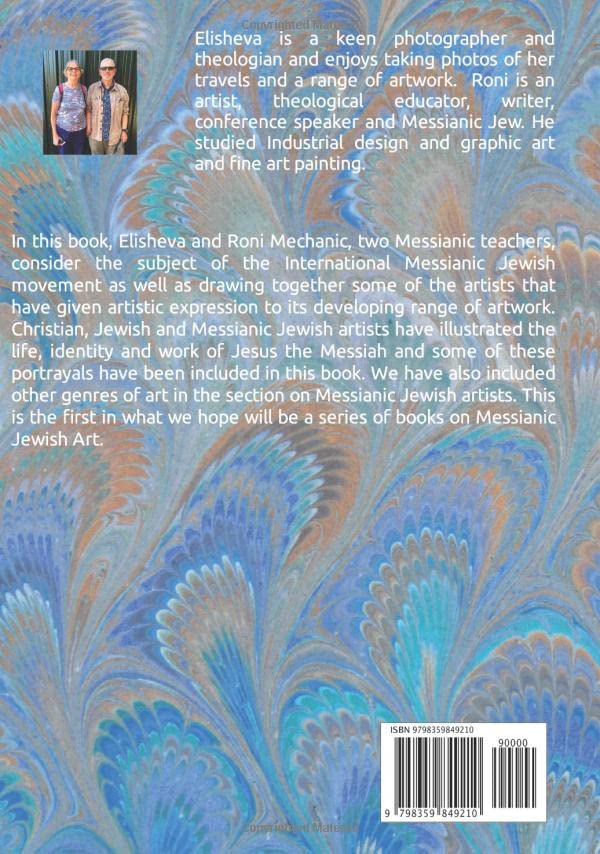
You can Buy Your Own Copy from Amazon:
Click on the Link to Make a Donation Towards the Blog’s Running Costs:
THE BORN AGAIN MOVEMENT: In the late 1960s –– 1980s during this era a powerful acclimation of the GOOD NEWS was being proclaimed in the Western World –– Billy Graham was one it’s main protagonists and he preached to thousands in the USA, and his message was spread through multiple Gospel agencies an this included Teen Challenge, Campus Crusade for Christ, Africa Enterprise in Southern Africa and also East Africa in countries such as Kenya, Uganda, and Tanzania.
Please make a charitable donation towards the running cost of this blog:
If you enjoy listening to these podcasts – Guess what? I have just had to renew the Word Press Subscription and it Cost – £174
This Programme is about Crossing the J-Line: Answers many Questions concerning Jews Believing in Jesus -Yeshua.
CLICK ON LINK TO LISTEN:
Teaching Judaism in Manchester
Some years ago while teaching Contemporary Judaism at Manchester University, UK, I co-taught part of the module together with Rabbi Brian Fox, a Reform Rabbi from Sherston Reform Synagogue. On one of the visits that my students and I took to the synagogue Brian stood in the front of the Ark where the Torah scrolls were kept behind a curtain, he spoke about the J-line.
What you may ask is the J-line?
This question was certainly in all our minds as to what was the rabbi referring?
He went on to explain what he meant: Pointing to a join in the carpet on the floor in the front, and he then said: “Imagine a “J-Line,” or “Jesus-line.” “If you believe in Jesus you can’t be Jewish, for Jews don’t believe in Jesus as their Messiah and remain Jewish.” More particularly, he had me in mind as a Jesus-believing Jew, but more generally, my Gentile Christian theological students though sympathetic to Judaism, can’t think of themselves as being Jewish and should the want to convert they cannot hold onto a belief in Jesus.
Supersessionism
What am I getting at? Supersessionism is the belief that the majority of Christian’s have held to, and largely continue to subscribe to. It is the outlook, and belief that when Jesus came as not only the Jewish Messiah, but the Christ of the Gentiles too, then Judaism became superseded and had fulfilled its purpose and usefulness.
Supersessionism, also called replacement theology and fulfillment theology by its proponents, is the Christian doctrine that the Christian Church has superseded the Jewish people, assuming their role as God’s covenanted people, thus asserting that the New Covenant through Jesus Christ has superseded or replaced the Mosaic covenant. Supersessionists hold that the universal Church has become God’s true Israel and so Christians, whether Jew or gentile, are the people of God.
What are the implications of such a belief for both Christians and Jews? Tough questions that we not only need to confront, but navigate our way through. We can be like ostriches and bury our heads in the sand, or face up to these issues. I choose the latter.
Big problems are created for everyone due to bad theology that has produced two thousand years of misery and suffering for Jews, Jewish believers in Yeshua (Jesus), and the church in general.
Let me explain: In a recent conversation with a Messianic Jewish friend who is the daughter of a Holocaust survivor – She said that in conversation with a senior Orthodox Rabbi who knows that she is a believer, he said: “One of the biggest mistakes we made as Jews was our rejection of Jesus-believing-Jews. We should have kept them as part of the Jewish people.”
This is a profound statement and helps us to realise that when a Jewish person embraces Yeshua as Messiah and Lord, they don’t stop being Jewish. Though the majority of their fellow Jews may want to push them to the margins of Judaism, or worse even exclude the all together, this does not mean that this is the end of the matter.
Rabbi Brian Fox and his J–Line: Is this a false proposition? In other words, when a Jew becomes a Jesus-believing-Jew they don’t stop being Jewish. Neither have they become a ‘convert,’ ‘apostate,’ or ‘a Gentile.’ Yes, there are those Jews who in becoming believers have rejected their Jewish heritage, and they only want to be known as ‘a Christian,’ and repudiate their Jewish background.
Christian Supersessionism: Christian Supersessionism, also known as replacement theology, is the theological view that the Christian Church has replaced Israel in God’s plan and covenantal relationship. This perspective asserts that the promises, covenants, and blessings once given to Israel now belong solely to the Church, with Israel being either set aside or excluded due to their rejection of Jesus as the Messiah.
Key Elements of Supersessionism:
Theological Framework: Supersessionism interprets the New Testament as teaching that God’s covenant with the Jewish people has been superseded by the new covenant established through Jesus Christ.
Fulfillment of Promises: It holds that the promises made to Abraham, Isaac, Jacob, and the nation of Israel are now fulfilled in the Church.
Rejection of Israel’s Unique Role: Supersessionism generally denies or minimizes any ongoing, distinct role for ethnic Israel in God’s redemptive plan.
Variations of Supersessionism:
Punitive Supersessionism: Argues that God has rejected Israel as a punishment for their rejection of Jesus as the Messiah.
Economic Supersessionism: Suggests that Israel’s role was temporary, serving as a “stage” for God’s work until the Church emerged.
Structural Supersessionism: Implies that the structure of biblical theology itself marginalizes Israel, often interpreting the Old Testament primarily through a Christological lens.
Biblical Arguments Used for Supersessionism:
Romans 9-11: Some proponents interpret this passage to mean that the Church inherits the promises made to Israel.
Hebrews 8:13: “By calling this covenant ‘new,’ he has made the first one obsolete.”
Galatians 3:28-29: “There is neither Jew nor Gentile… If you belong to Christ, then you are Abraham’s seed, and heirs according to the promise.”
Criticisms of Supersessionism:
Biblical Critique: Opponents argue that passages like Romans 11 affirm the continued role of Israel, emphasizing that “God’s gifts and his call are irrevocable” (Romans 11:29).
Historical Critique: Supersessionism has been linked to anti-Semitic attitudes and actions throughout history, including fostering hostility toward Jews.
Theological Critique: Many theologians argue that God’s covenants with Israel are unconditional and eternal, pointing to scriptures such as Genesis 12:1-3 and Jeremiah 31:35-37.
Alternative Theologies:
Dual-Covenant Theology: Maintains that God has separate covenants with Israel and the Church, both of which remain valid.
Dispensationalism: Views Israel and the Church as distinct entities in God’s plan, with Israel playing a key role in future eschatological events.
Messianic Judaism: Emphasizes the Jewish identity of Jesus and sees belief in Him as the fulfillment—not the replacement—of God’s promises to Israel.
Relevance Today:
Christian Supersessionism remains a controversial topic in theological discussions. Its implications affect interfaith dialogue between Christians and Jews, eschatology, and the understanding of God’s covenantal faithfulness. Many modern theologians and Christian groups have rejected supersessionism, embracing a more inclusive theology that affirms God’s continued covenant with Israel alongside the Church.
Christian Supersessionism has had profound negative effects on Jews, Judaism, and Messianic Jews throughout history, impacting theology, relationships, and interfaith dynamics. Here is a breakdown of the key consequences:
1. Impact on Jews and Judaism
A. Historical Persecution
Supersessionism created a theological foundation for anti-Semitism in Christian Europe, portraying Jews as a rejected people, cursed for their rejection of Jesus. This contributed to centuries of persecution, including:
Forced Conversions: Jews were often pressured or violently coerced into converting to Christianity under the belief that Judaism was obsolete.
Expulsions and Pogroms: Events such as the Spanish Inquisition and Russian pogroms were fueled by theological hostility rooted in supersessionism.
Holocaust: While not directly caused by Christian theology, centuries of anti-Semitism justified by supersessionist ideas created fertile ground for Nazi ideology.
B. Theological Marginalization
Supersessionism invalidated Judaism as a viable spiritual path, labeling it as “blind” or “stubborn.”
Jewish religious practices, such as observing the Sabbath, dietary laws, and festivals, were dismissed as unnecessary or legalistic.
C. Cultural Stereotyping
Supersessionism perpetuated harmful stereotypes, such as the depiction of Jews as Christ-killers or as spiritually inferior.
These stereotypes alienated Jews from Christian-majority societies and contributed to their social and economic marginalization.
2. Impact on Messianic Jews
A. Identity Confusion
Supersessionism often forces Messianic Jews into an identity crisis. Messianic Jews see themselves as both Jewish and believers in Jesus (Yeshua), but supersessionist theology:
Denies the legitimacy of their Jewish identity by claiming the Church has replaced Israel.
Pressures them to abandon Jewish practices, often labeling them as unnecessary or “too Jewish.”
B. Marginalization by Both Communities
From the Jewish Community: Many Jewish communities reject Messianic Jews as “traitors” for believing in Jesus, viewing them as complicit in supersessionist theology.
From the Church: Some Christian groups pressure Messianic Jews to assimilate entirely into Christian culture, rejecting their distinct Jewish identity.
C. Suppression of Jewish Expression in Worship
Messianic congregations often face resistance from non-Messianic churches when incorporating Jewish elements into worship, such as:
Using Hebrew liturgy or symbols (e.g., tallit, menorah).
This can lead to a loss of cultural and spiritual heritage among Messianic Jews.
3. Hindrance to Jewish-Christian Reconciliation
A. Erosion of Trust
Supersessionism has damaged trust between Jews and Christians, making meaningful dialogue difficult.
Many Jews view Christianity with suspicion, associating it with centuries of persecution and theological hostility.
B. Barriers to Understanding
By dismissing the continued relevance of Israel and Judaism, supersessionism obscures the Jewish roots of Christianity.
This limits Christians’ understanding of the Bible in its original Jewish context and alienates them from the richness of Jewish theology and tradition.
C. Stifling of Mutual Respect
Supersessionism creates a hierarchical relationship where the Church is seen as spiritually superior to Israel. This hinders interfaith relationships, as Jews are often viewed as objects of conversion rather than as partners in theological dialogue.
4. Broader Effects on Theology and Practice
A. Eschatological Confusion
Supersessionism undermines the biblical promises regarding Israel’s future role (e.g., Romans 11, Jeremiah 31:35-37). It erases hope for the restoration of Israel as part of God’s redemptive plan.
B. Loss of Jewish-Christian Unity
The early Church was deeply rooted in Jewish identity and practice. Supersessionism contributed to the separation of Christianity from its Jewish foundations, leading to a loss of unity and shared mission between Jews and Gentiles.
Examples of Recovery and Hope
Despite the damage caused by supersessionism, many movements and theologians today are working to repair the harm:
Messianic Judaism emphasizes the fulfillment of Jewish identity in Yeshua, reclaiming Jewish practices as integral to faith.
Post-supersessionist Theology rejects replacement theology, affirming God’s covenant with Israel while embracing the Church’s inclusion.
Jewish-Christian Dialogue is growing, fostering understanding and healing between communities.
Please make a charitable donation towards the running cost of this blog:
THE EXISTENTIAL THREAT UPON THE JEWS – This is nothing new, but currently what is transpiring in the Western world against the Jews has serious consequences for Jewish survival in the twenty first century contemporary world!
In a new book by Gol Kalev, THE ASSAULT ON JUDAISM he discusses something as sinister as the actual physical attack upon Israel on 7 October 2023 that is taking place in the West and one of its main sources is the mainline Western media that in some instances is parroting Hamas and its propaganda against Israel.
To Listen to this programme click on this Link:
I am wearing a Logo of the Yellow ribbon on my jacket!
Living in the UK, even the “trusted BBC,” that is supposed to be committed to unbiased impartiality in its reporting is guilty in the way that it reports the current Israeli wars that it is involved in in the Middle-East. In the way it portrays Israel’s enemies, it all too often makes them out to be innocent victims.
Some thinkKilling Jews is OK! Why have we reached this state of affairs? What are some of the reasons for this?
In the Lord’s Prayer we express a number of different issues that cover aspects of human life and relationships…
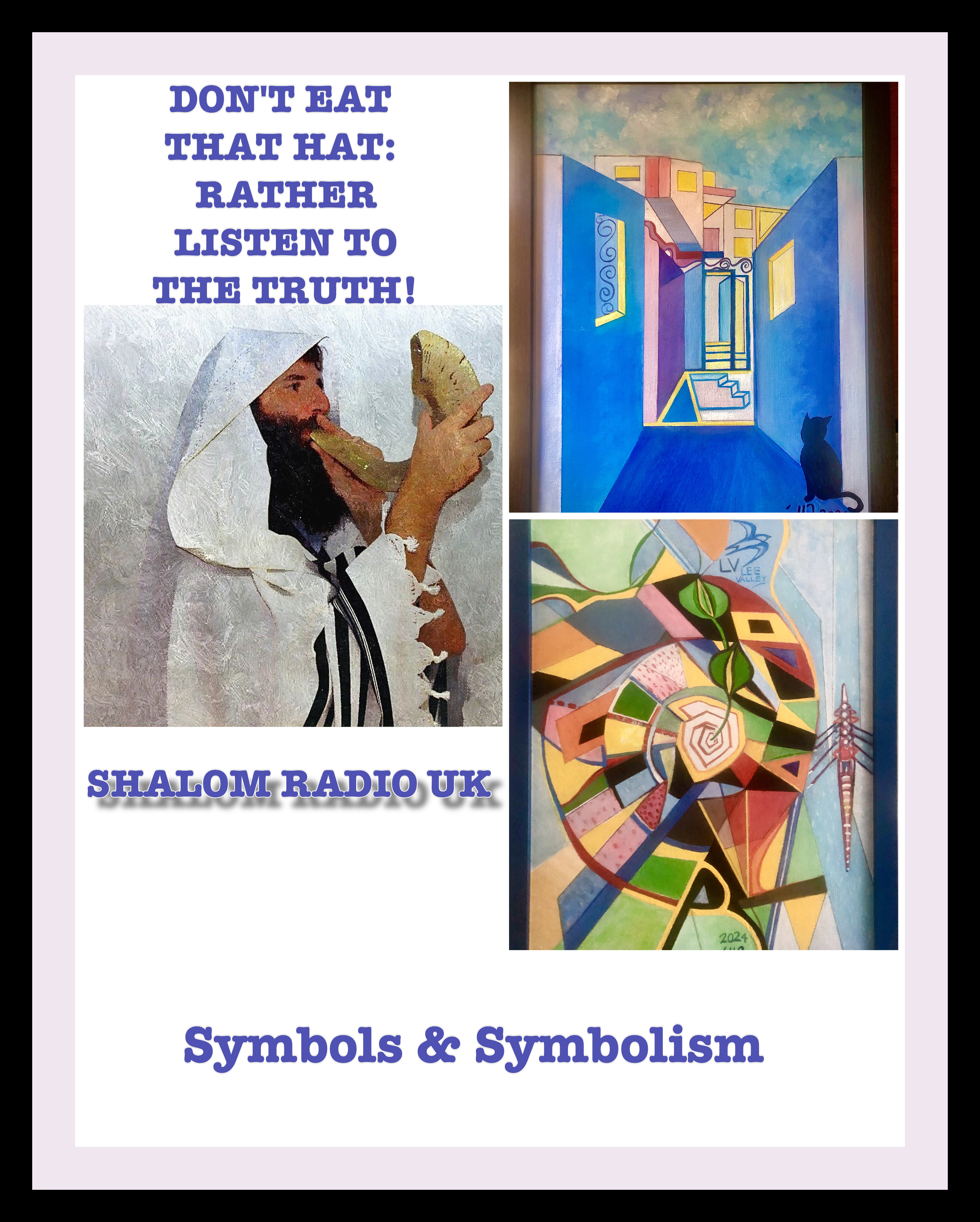
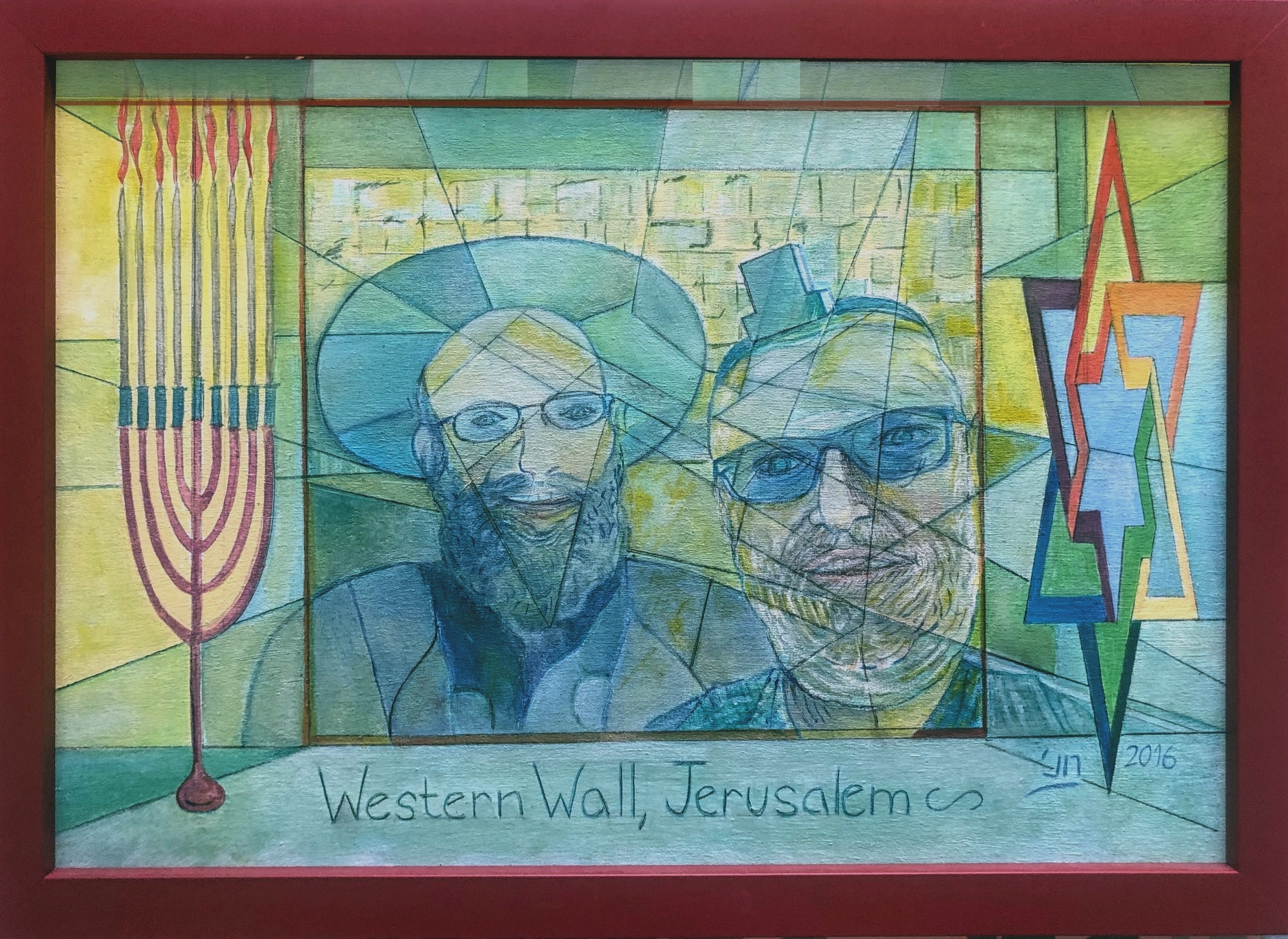
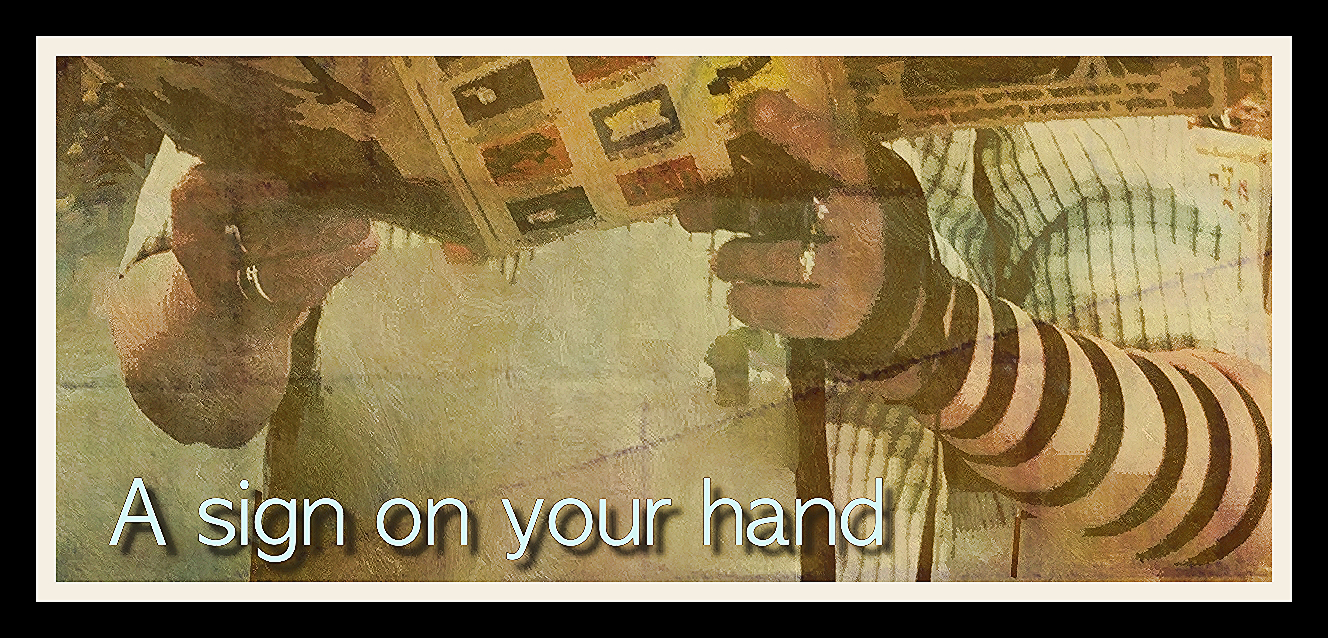
The Importance and Significance of Symbols, and Symbolism When we view symbols, such as the three in the painting of Roni & an Orthodox Jewish friend at the Western Wall in Jerusalem, we should note those things that are symbolic – Seven branch candle stick, Star of David, and the box of the phylacteries on Ron’s head. What do each of these symbolise mean, and what do they signify?
We should note that Judaism and Christianity each have multiple symbols that carry powerful religious meaning that lie at the heart of these two Abrahamic faiths. Though some are distinctive to its specific faith, others are significant to both. So, let’s begin by exploring some of these powerful images and explore their importance.
Some synonyms for ‘type’: sign, character, mark, letter, hieroglyph, ideogram, emblem, token, representation, figure, image, type, metaphor, and allegory.
HIGHLIGHTS:
What do you understand from the idea of symbol & symbolism?
With the use of a graphic image such as a Star of David or menorah how does that define Judaism?
Think about the significance of wearing a sign or symbol on your arm, and between your eyes – how do these influence ‘faith,’ and ‘practice?’
Learn to say the Shema in Hebrew – Follow the Link below.
In the New Testament in John’s Gospel Chapter 1 we have several symbols such as “light,” “Lamb of God,” how does these assist our understanding of the Messianic faith?
The symbol of the Menorah, Star of David, with a Cross, and the Fish, what do these images symbolise?
Read John Chapter 1 and identify as many symbols as you can, and think about how they may be applied?