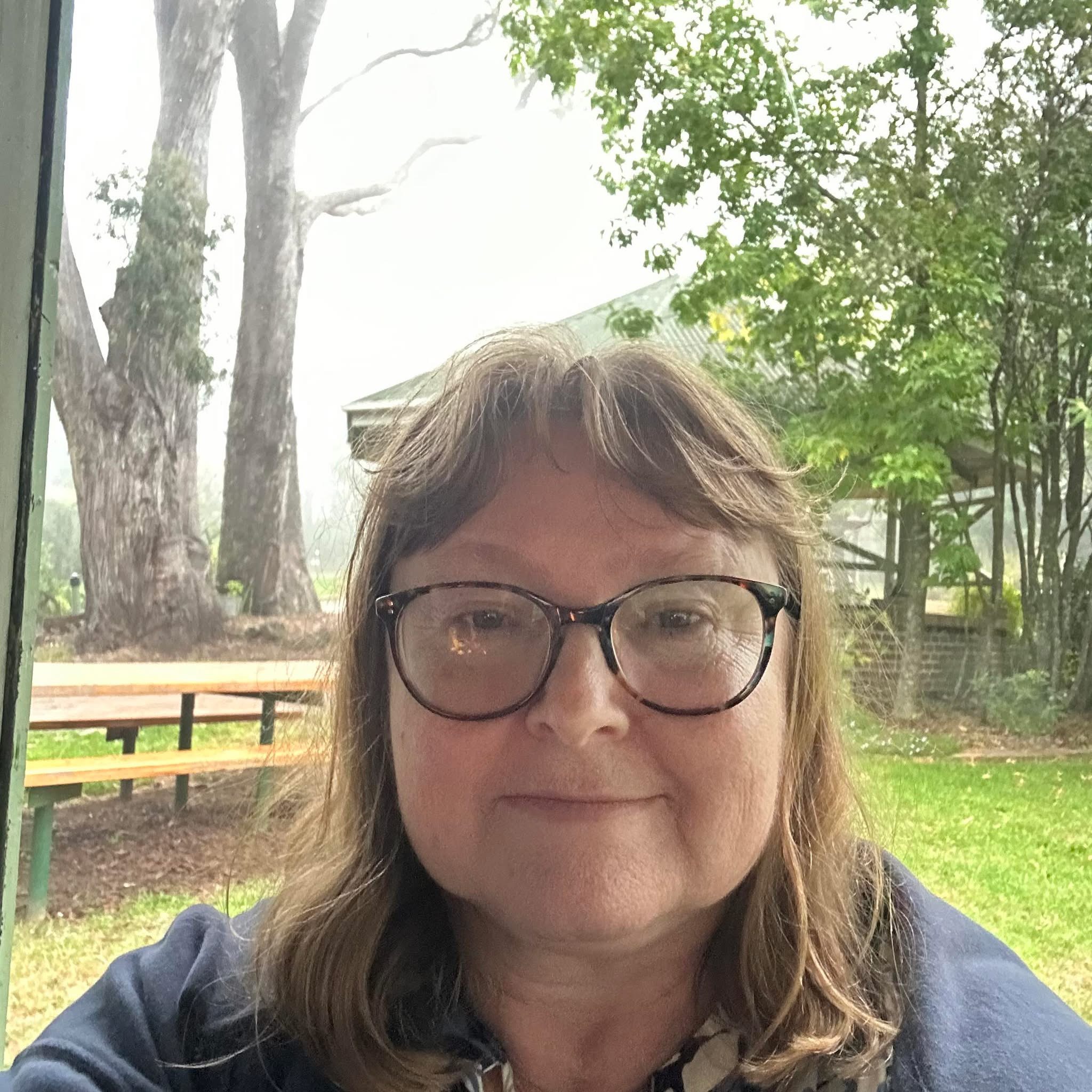
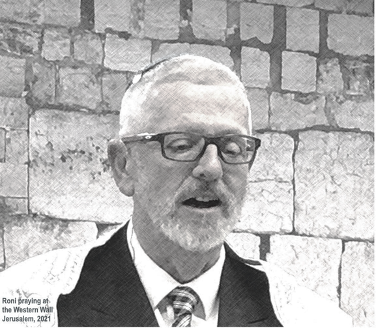
Roni at the entrance to the Israel Museum –– Jerusalem – 2023
Exploring Expressionistic Painting:WHAT LAYERS OF PAINT SAY…
CLICK ON THE LINK BELOW TO LISTEN TO THIS PODCAST:
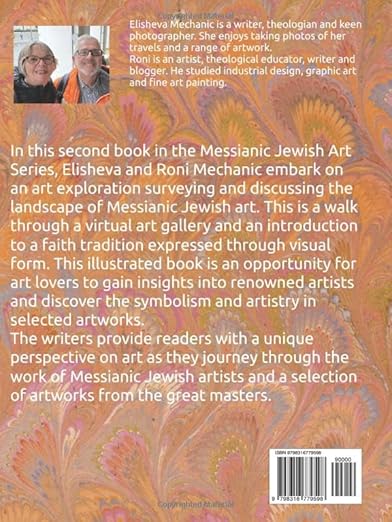
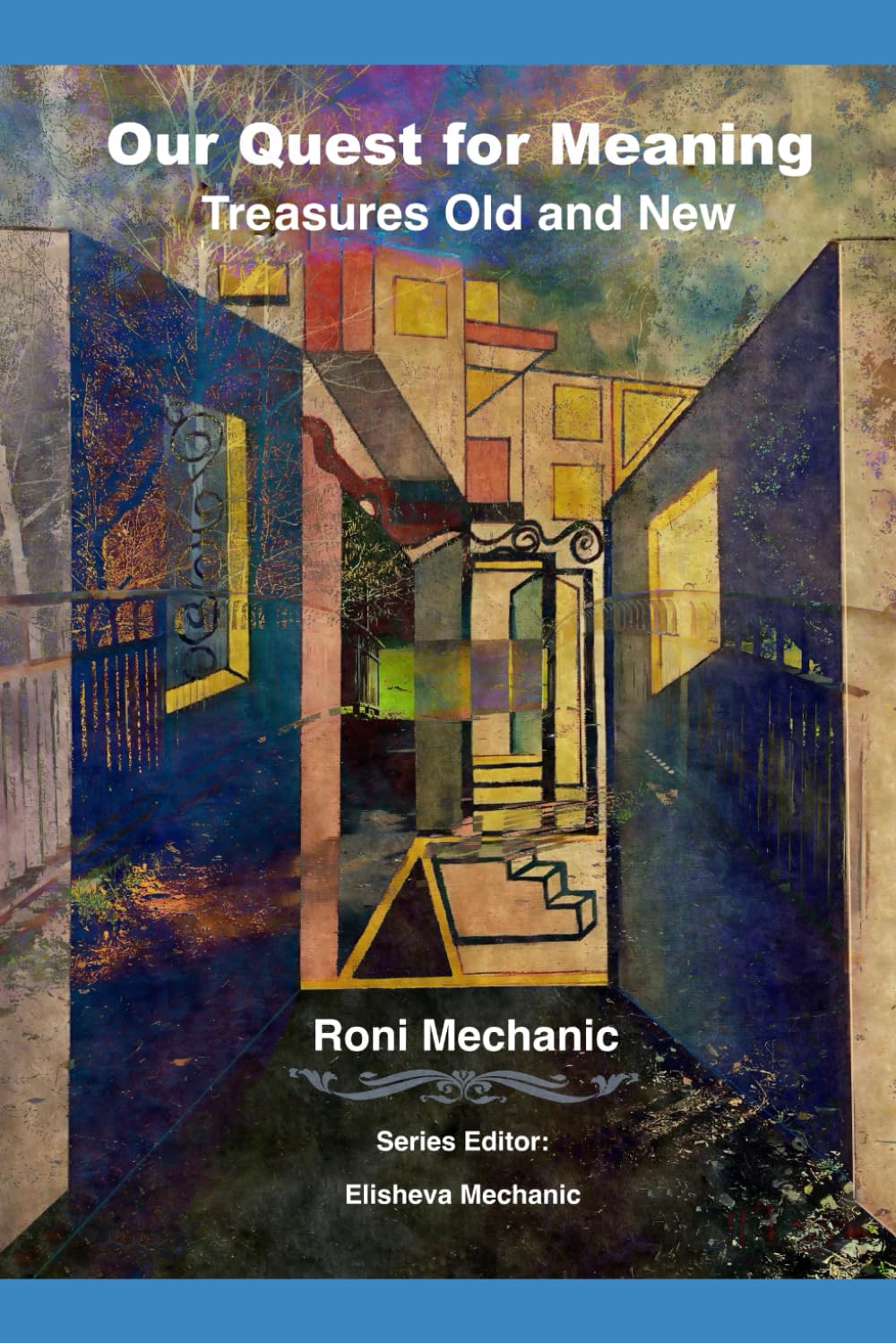
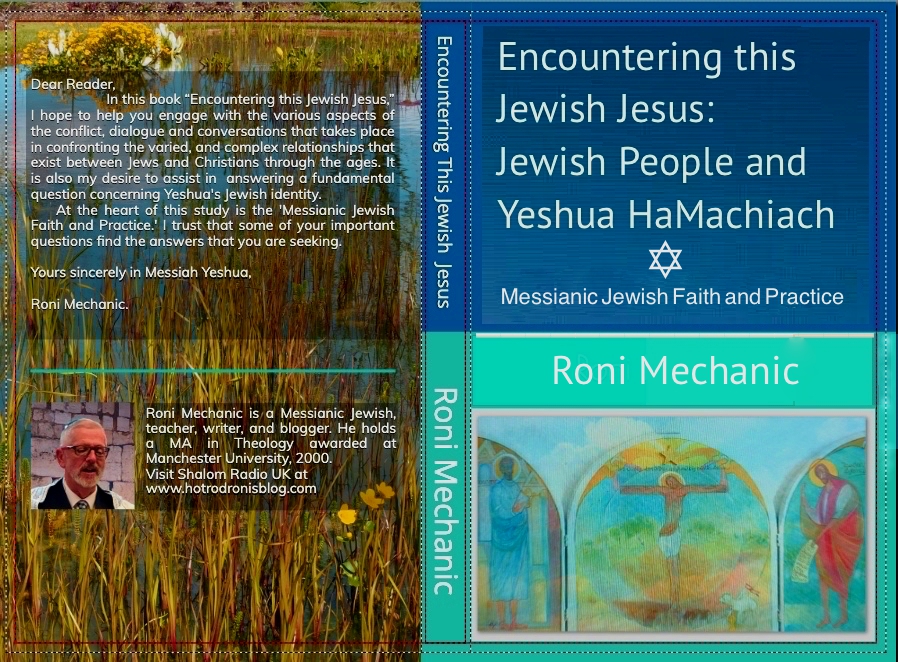
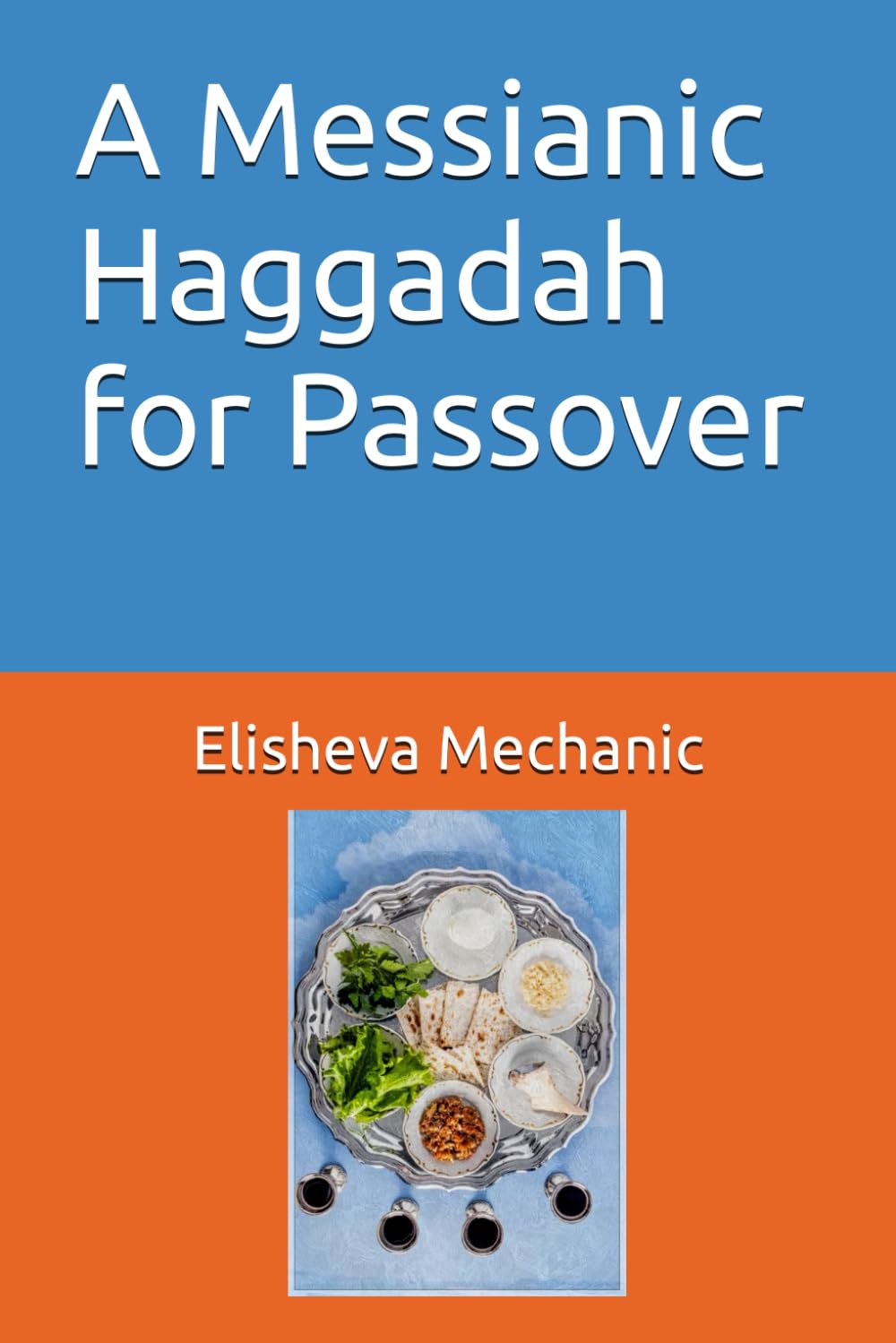
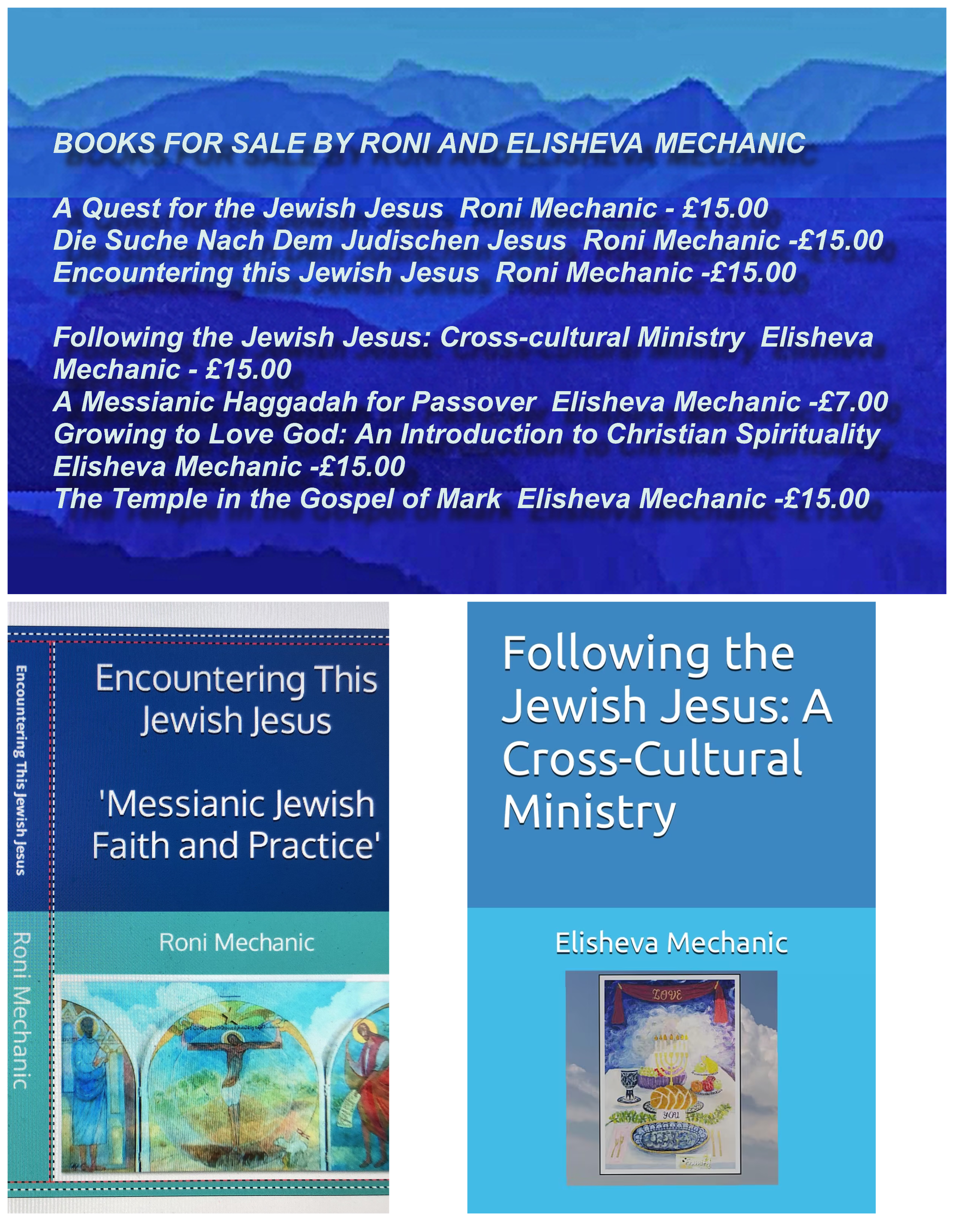
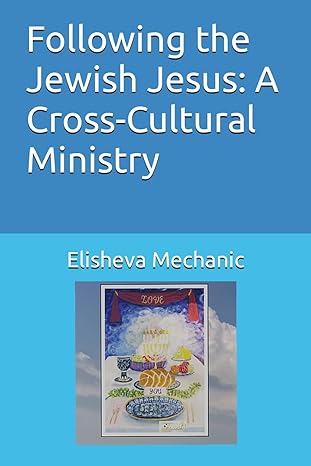
ART BOOKS PUBLISHED BY ELISHEVA AND RONI MECHANIC — Available from AMAZON
Marc Chagall –– Israeli Artist
Bring Them Home!
The Wise Seek Him –– by Roni Mechanic, 2025 –––––––––––––––––––––––––––––––––––––––––– Notice that the forth person in this painting is me. I am being inquisitive and exploring what the three wise men are endeavouring to do.
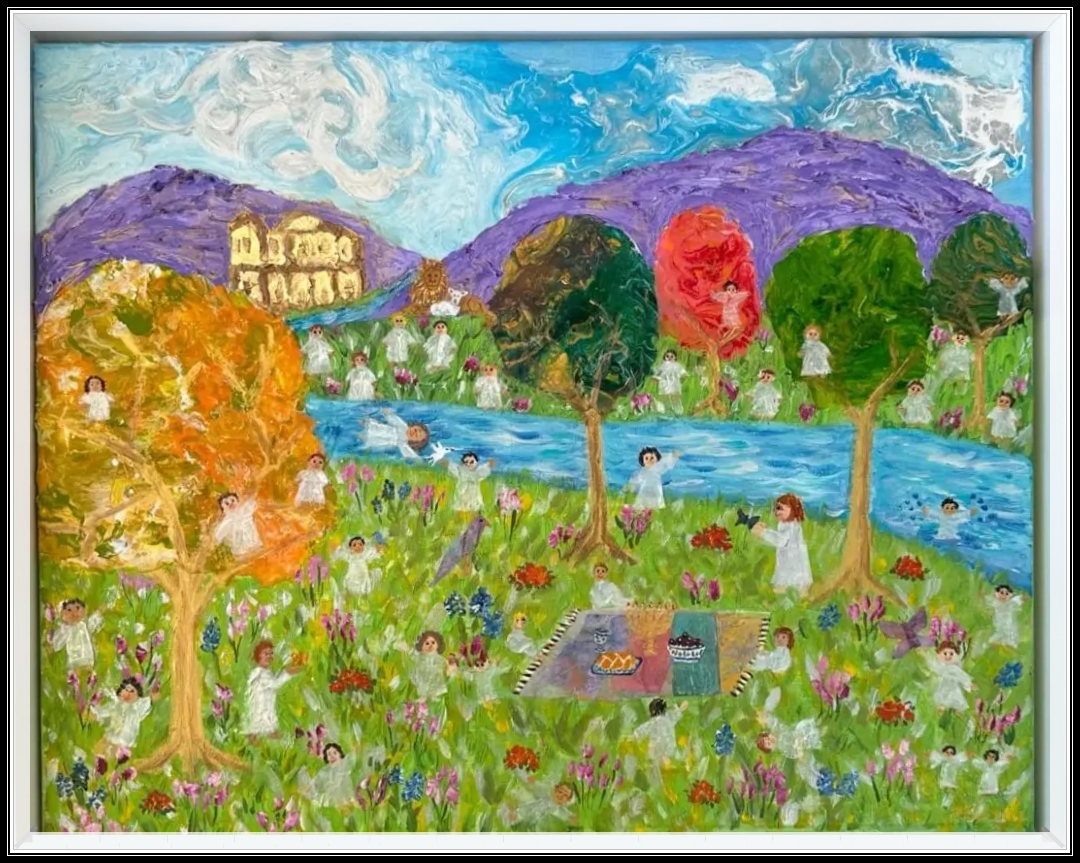
How Helen and Roni gave expression to the tragic loss of the 40 children murdered by Hamas on 7th October, 2023
Helen painted the images of children floating up into the sky. While Roni depicted grave stones as symbols of the murdered children. These stones are also seen floating heavenwards. Included are threeCyprus trees whichare often associated with burial grounds, as viewed in Roni’s painting.
Helen Burman, 2023
Roni Mechanic, 2023
What the Layers of Paint Say

By Roni Mechanic –– Inspired by recent abstract paintings.

Introduction

Colour sings,
shapes speaks,
and lines are more
than what the eye beholds—
spirit traces echoes of the unseen.
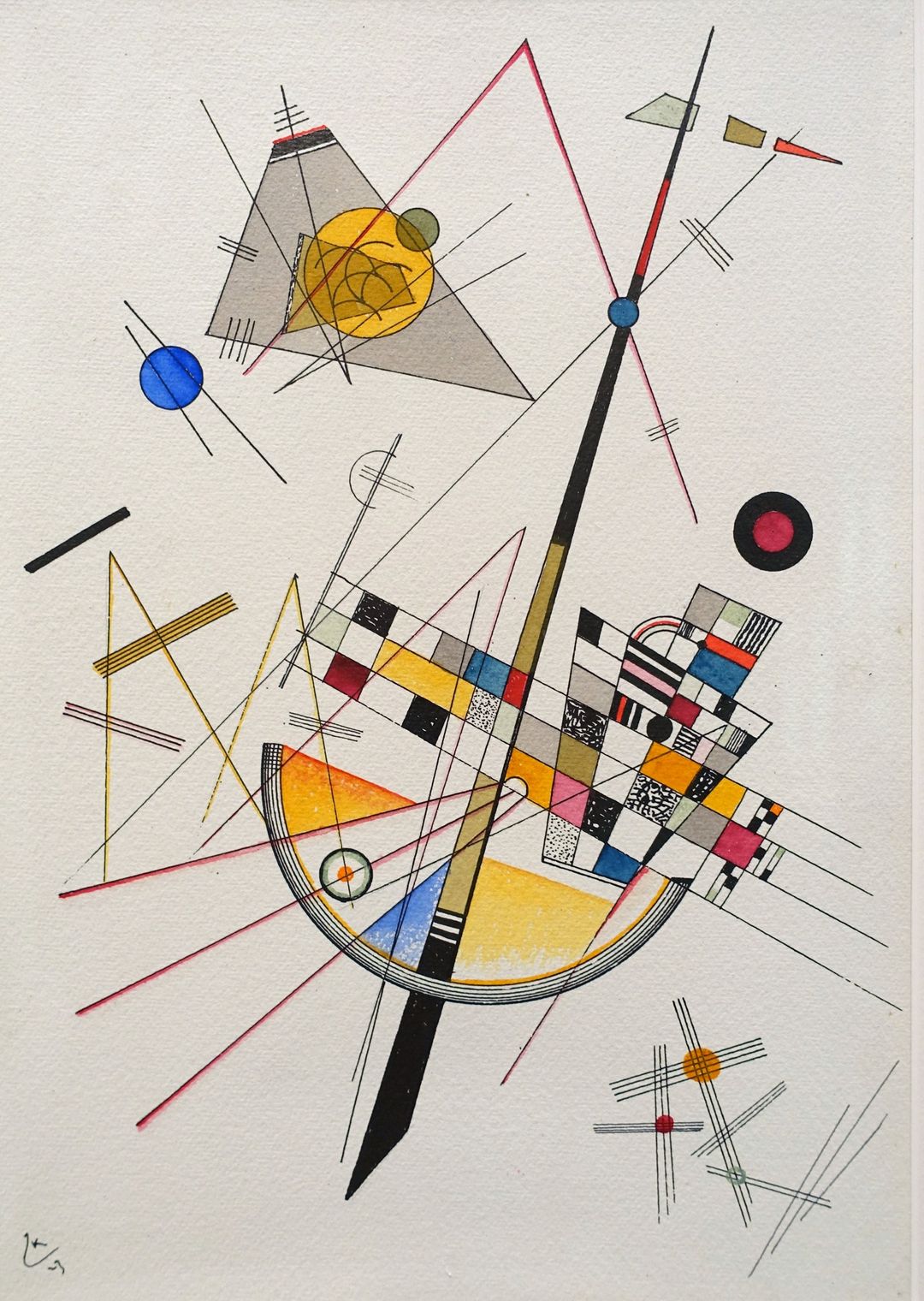
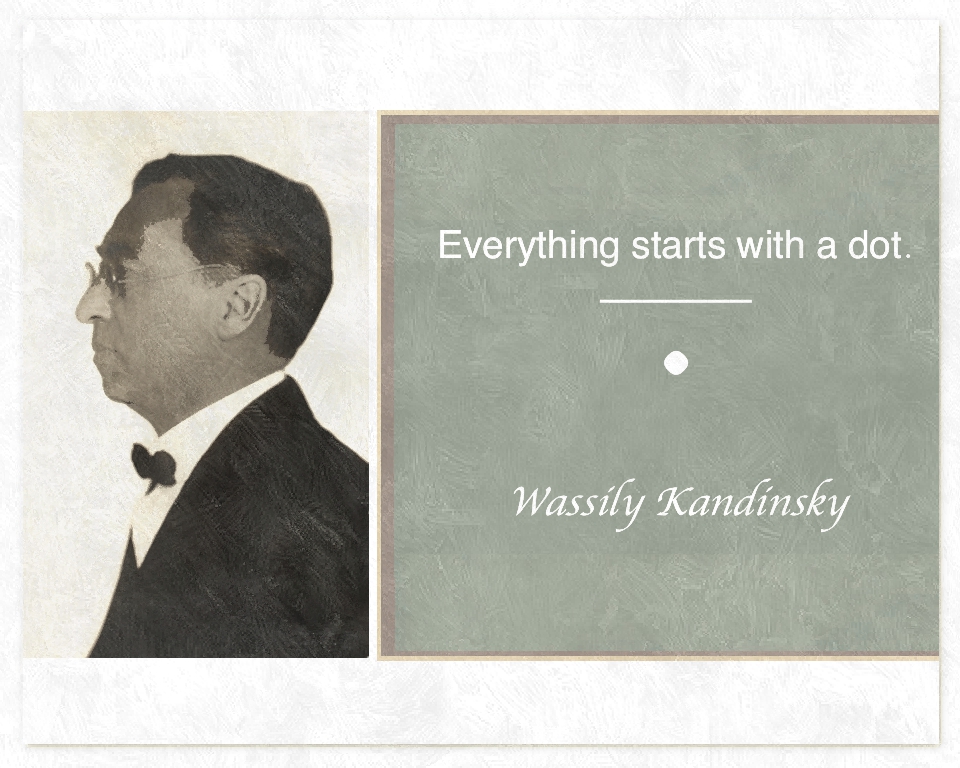
Wassily Kandinsky once glimpsed this truth.

So too the artist paints—
not merely to show,
but to sound,
to let colour pray,
to let praise breathe.

Each canvas becomes a quiet altar,
each stroke, a whispered psalm—
layered with longing,
with wonder,
with the hush of the holy.

Each gesture is a note,
each hue a chord;
the canvas a silent symphony—
layered, rhythmic,
poem and pulse,
alive with something,
just beyond the visual.

Like music felt
through the body’s skin,
the colours move.

They breathe,
they weep and dance—
an abstract language
for the soul.

Layers of Sound

There are voices beneath the surface,
beneath the brush and broken line—
not loud,
but present,
like breath caught in linen,
like Scripture sung in the dark.

A colour trembles.
Another answers.
They speak in tongues—
of saffron, umber, and indigo—
ancient arguments
resolved in silence.

From dust and spirit,
the tapestry is stretched—
threads of mystery,
tangled yet divine.

In the chambers of time,
the pulse of nations stirred.
Two heartbeats in one womb,
two paths divided by a single cry.

Love and rivalry,
covenant and exile—
entwined like roots
beneath ancestral soil.

The breath of prophecy passed
through a mother’s pain—
Rebekah, torn by the war within,
felt the future shift inside her womb:
a tremor that would echo
through the centuries.

Still today,
in city streets and silent prayers,
in borderlands and broken altars,
the ancient wrestling continues.

The Artist’s Vision

The Creative Master made a choice,
bringing forth sons and daughters—
not merely of flesh,
but of calling,
of covenant,
of light drawn from the womb of chaos.

Jacob and Esau—
an eternal struggle,
born in silence and strife.
Rebekah bore more than children that day;
she gave birth to a tension
that shaped the world.

Jew and Arab—
twin destinies entwined—
still carry the weight
of ancient blood and blessing.

Letters emerge—
ancient Chaldaic, Paleo-Hebrew,
and Aramaic,
fragments of Babel’s broken tower:

Hebrew, Arabic, Greek, and Latin.
Not merely differing tongues,
but diverging destinies
written in script.

Hebrew curves,
Roman bones,
Greek questions carved
in broken stones––
lines of faith and empires,
half-hidden, half-revealed,
as if the Word were still being written
in the dust of human longing.

Shattered pottery shards, mosaic fragments—
like lost memories echoing from the past.
Each piece a whisper
of what was spoken.
Each crack a vein of silence
holding meaning.

These remnants speak
in tongues of stone and flame,
where history bleeds into symbol,
and brokenness becomes design.

Alexander, Antiochus, Mattathias Maccabee—
we watched empires rise,
then fall to dust and sea.
Hebrew curves, Roman bones,
Greek thoughts etched into exiled stones.

O seeker, sift the grains with care—
beneath your feet, lies buried there.
Lift your eyes, the thread still shines
from ancient cloth to end of time.

Yeshua, royal, priestly strand,
God’s own binding in the land.
His wounds are knots that tie and hold
the Torah, Spirit, and the gold.

And as the layers thickly paint,
each story worn, both bold and faint,
so too his presence, hidden deep,
awaits the ones who seek and keep.

The veil peels back, the colours blend—
a sacred thread that has no end.
Within the layers, truth is spun:
Yeshua—G_D’s eternal Son.

In the artist’s hand,
they find new order—
not to erase the fracture,
but to honour it.

To make of the broken whole,
and of the scattered, song.
Not Pictures, but Places
These are not pictures.

They are places—
maps of inner terrain
where the soul remembers
what the mind has forgotten.
Icons dissolve into abstraction,
but the holy remains.

A gesture becomes a sanctuary,
a texture, a psalm.
In every layer:
a question.
In every mark:

A memory.

In the space between:
the whisper of the Spirit
hovering,
still creating.

An invisible creative Guiding Hand—
the One who spoke,
and there was light;
form emerging from the void unknown—
Tohu Vavohu,
without form and void.

Just as the artist
grasps for those creative sounds,
so do we—
with brush, palette knife,
sculptor’s clay, or chisel—
tackling blank canvas, clay and wood,
fashioning not from certainty,
but from yearning.

From silence that longs to speak,
from chaos seeking order,
from shadows aching for the light.

We echo the First Artisan—
breathing life into dust and fiber,
calling forth structure from texture,
meaning from gesture,
and hope from hue.

Each mark becomes an offering,
each stroke, a fragment of prayer,
each layer, a testament
to the mystery of being,
and the mercy of becoming.

For what is creation
if not surrender—
to the unseen voice,
to the Spirit hovering still
over waters––
deep and untamed?

To Touch the Hem

For the artist, for the worshipper:
And so, we paint, sculpt, write—
not merely to create,
but to commune.

Each gesture,
each stroke of brush or word,
is an act of reaching
toward the unseen—
to touch the hem
of the garment of glory.

Fringes tipped with sky and light,
swaying at the edge of divinity.

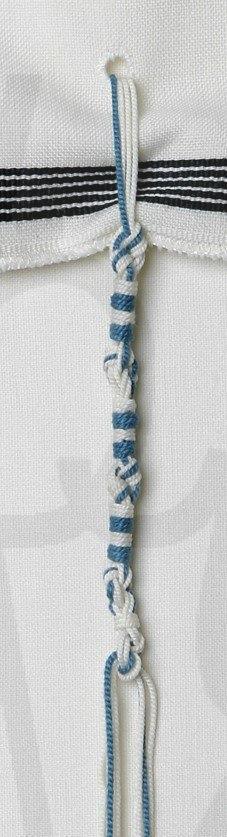
Tekhelet Returns

A slender blue thread,
woven with white,
has quietly returned—
gracing the corners
of prayer and cloth,
almost unnoticed,
until it is everywhere.

It crept in softly,
like memory,
like longing finding form—
a whisper of blue sky
against fields of white.

Now it swings
from the tallit’s edge—
a thread reborn.

Tekhelet once lost,
now found––
in the rhythm of fingers
tying sacred knots.

This week we read:

“Speak to the Children of Israel…”
And still the voice speaks,
calling for corners—
marked with covenant.

With the blue of heaven,
the blue of remembering.
What was hidden in time
has returned in colour—
a renaissance of dye,
a revival of meaning.

Not just a thread,
but a promise—
a whisper of redemption
twisting through generations,
binding earth
to sky,
to G_D.

And somewhere,
a woman once reached
through the crowd—
to touch the fringe,
the p’til tekhelet,
and found herself whole.

Layers of Paint Say:

Thread of Heaven––
a thread of blue, sky-breathed and deep,
is woven where the edges sleep—
on garments kissed by desert wind,
a ribbon where the laws begin.

They said, “Remember, do not stray,”
so G_D dyed sky into the clay.
But who could find that holy hue
where tides conceal and time withdrew?

The chilazon, a mystery’s shell,
its dye once sought, untraceable,
rose from depths where secrets sleep,
the sea’s own shade the prophets keep.
Its blood—once hidden, now revealed—
spoke of a covenant unsealed.

So walked he once among the grain,
where sandals stirred the dusty plain.
No one saw the thread he wore—
it lay beneath the flesh he bore.

A hidden Messiah—now unveiled.

What is his name, once long concealed?
Who dares to name the Son of G_D,
the treasure buried in the sod?
A gleam beneath the desert’s hand,
a secret woven through the sand.

Not pearl or gem held in the hand,
but breath unstirred, divinely planned—
a silence speaking through his death,
a whisper stronger still than breath.

Tekhelet lost, now found anew—
not in dye, but what is true.
A thread not sewn on outer seams,
but stitched within prophetic dreams.

Yeshua, royal, priestly strand,
G_D’s own binding in the land.
His wounds are knots that tie and hold
the Torah, Spirit, and the gold.
Lift your eyes, the thread still shines
from ancient cloth to end of time.

And as the layers thickly paint
each story worn, both faint and quaint,
so too his presence, hidden deep,
awaits the ones who seek and keep.

The veil peels back, the colours blend—
a sacred thread that has no end.
Within the layers, truth is spun:
Yeshua—G_D’s eternal Son.

Unveiled

But who will dare to listen?
To behold what once was hidden?

Then, we did not know or see—
but now, with unveiled faces,
we perceive
what was veiled
in paint, wood, and clay.

Drawing near in wonder,
a new sound awaits
those willing to listen.
Ears unstopped,
eyes opened in amazement.

For what was forgotten
is now being declared.
We, with new perception,
see colours bright
illuminating the way—
ahead and beyond.

A hope recreated—
for all to see,
to hear,
and to know.
Amen, and Amen.
Hallelujah!
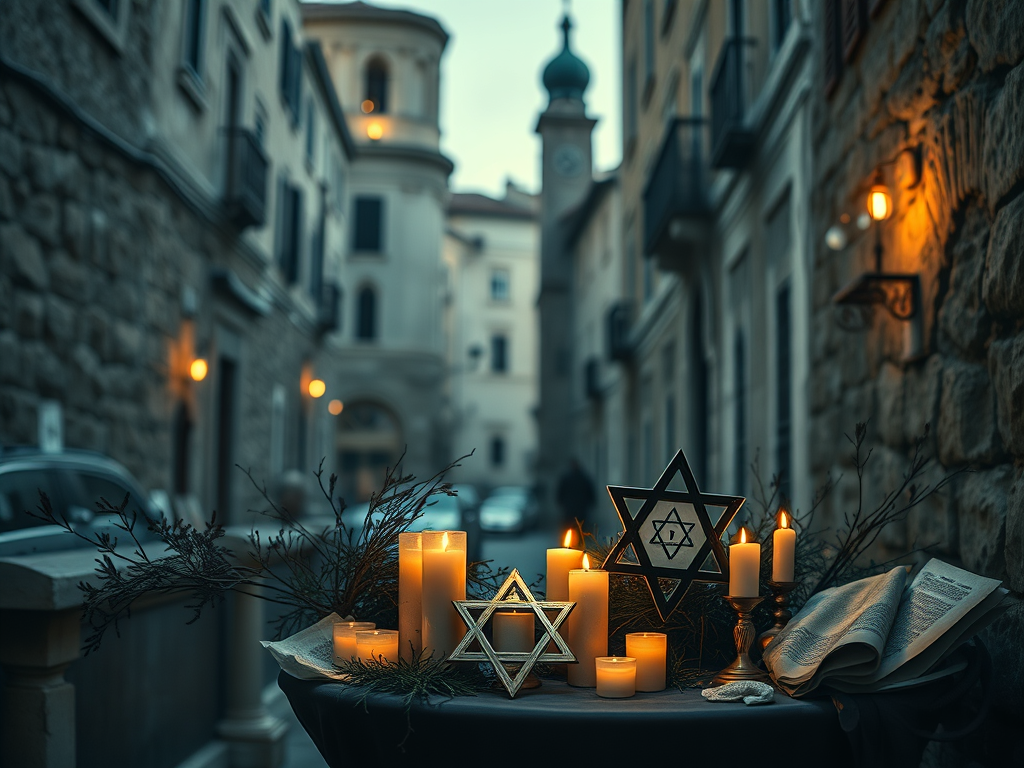
A scene –– featuring candles and Star of David symbols set against a quaint street in Alghero, Italy, symbolizing remembrance and reflection.
While on vacation together with my wife Elisheva we are staying in the beautiful seaside town of Alghero in the island of Sardinia which is part of Italy.
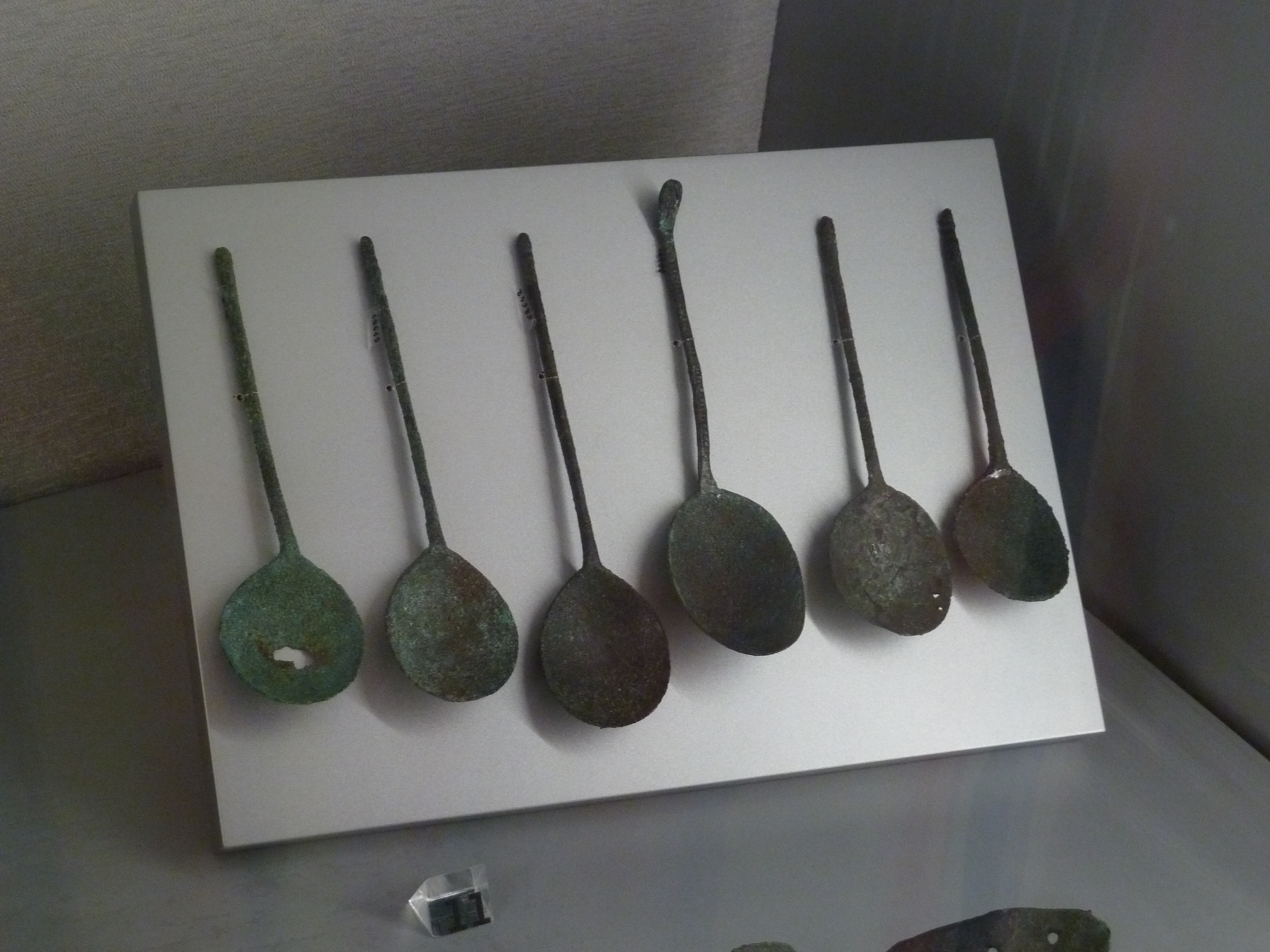
Besides the Italian people, their food, their drink, and especially their rich culture, we made a fascinating discovery on our visit to the city museum – In the Middle Ages it had a rich history of the Jewish community on this island.
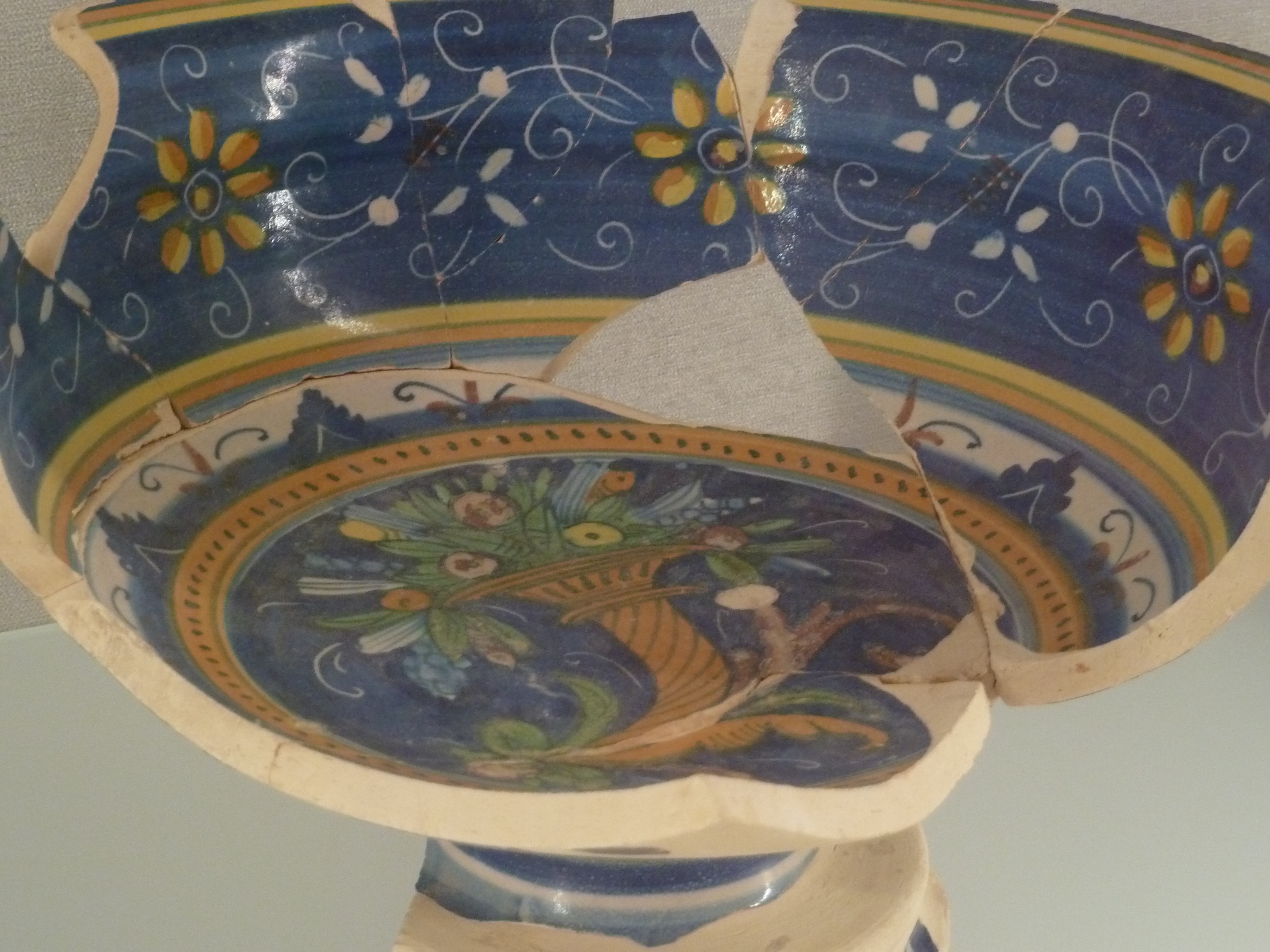
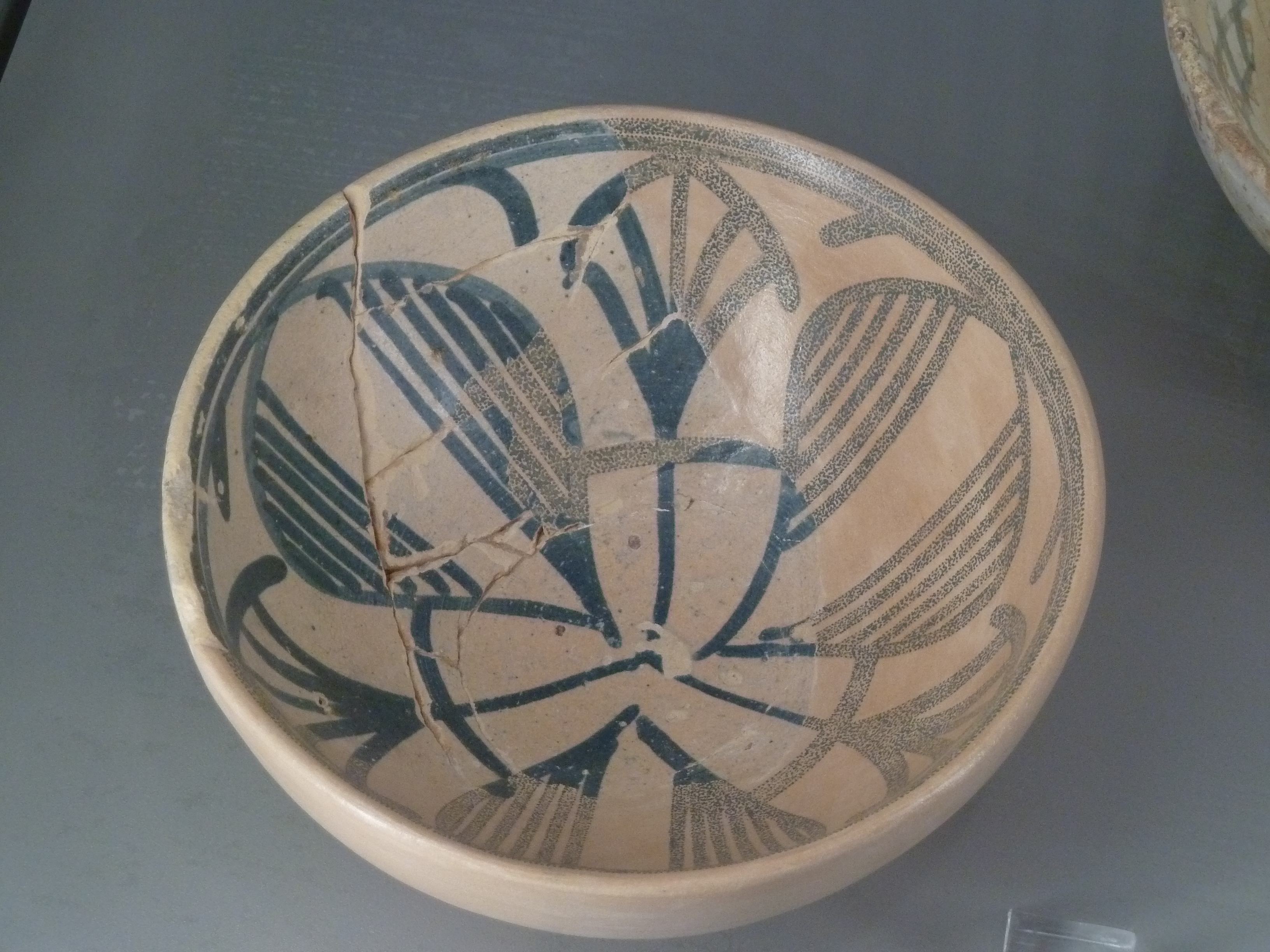
Pottery fragments, and other similar domestic have been found and reconstructed and are now being preserved for all to see.
So Where Have All the Jews Gone?
Sardinia during that period was administered by Spain. So far sogood — the truth be told not ‘so good!’ At that time there was no place in their realm for Jews.–– Exile, conversion, or death.’
Have we not been there before? At the present the Spanish Government is taking an anti-Israel stance which we can only pray will be reversed lest history repeats itself.
I firstly wrote this piece of prose from which I then created a poem following a visit to the Alghero Museum, and Catholic Cathedral and reading a description of a side chapel in remembrance of the cities lost Jews.
Alghero Echoes from the Stones
Kaddish Prayer…
English Version…
May the great Name of God be exalted and sanctified, throughout the world, which he has created according to his will. May his Kingship be established in your lifetime and in your days, and in the lifetime of the entire household of Israel, swiftly and in the near future; and say, Amen. May his great name be blessed, forever and ever. Blessed, praised, glorified, exalted, extolled, honored, elevated and lauded be the Name of the holy one, Blessed is he – above and beyond any blessings and hymns, Praises and consolations which are uttered in the world; and say Amen. May there be abundant peace from Heaven, and life, upon us and upon all Israel; and say, Amen.
He who makes peace in his high holy places, may he bring peace upon us, and upon all Israel; and say Amen.
This Programme is about Crossing the J-Line: Answers many Questions concerning Jews Believing in Jesus -Yeshua.
CLICK ON LINK TO LISTEN:
Teaching Judaism in Manchester
Some years ago while teaching Contemporary Judaism at Manchester University, UK, I co-taught part of the module together with Rabbi Brian Fox, a Reform Rabbi from Sherston Reform Synagogue. On one of the visits that my students and I took to the synagogue Brian stood in the front of the Ark where the Torah scrolls were kept behind a curtain, he spoke about the J-line.
What you may ask is the J-line?
This question was certainly in all our minds as to what was the rabbi referring?
He went on to explain what he meant: Pointing to a join in the carpet on the floor in the front, and he then said: “Imagine a “J-Line,” or “Jesus-line.” “If you believe in Jesus you can’t be Jewish, for Jews don’t believe in Jesus as their Messiah and remain Jewish.” More particularly, he had me in mind as a Jesus-believing Jew, but more generally, my Gentile Christian theological students though sympathetic to Judaism, can’t think of themselves as being Jewish and should the want to convert they cannot hold onto a belief in Jesus.
Supersessionism
What am I getting at? Supersessionism is the belief that the majority of Christian’s have held to, and largely continue to subscribe to. It is the outlook, and belief that when Jesus came as not only the Jewish Messiah, but the Christ of the Gentiles too, then Judaism became superseded and had fulfilled its purpose and usefulness.
Supersessionism, also called replacement theology and fulfillment theology by its proponents, is the Christian doctrine that the Christian Church has superseded the Jewish people, assuming their role as God’s covenanted people, thus asserting that the New Covenant through Jesus Christ has superseded or replaced the Mosaic covenant. Supersessionists hold that the universal Church has become God’s true Israel and so Christians, whether Jew or gentile, are the people of God.
What are the implications of such a belief for both Christians and Jews? Tough questions that we not only need to confront, but navigate our way through. We can be like ostriches and bury our heads in the sand, or face up to these issues. I choose the latter.
Big problems are created for everyone due to bad theology that has produced two thousand years of misery and suffering for Jews, Jewish believers in Yeshua (Jesus), and the church in general.
Let me explain: In a recent conversation with a Messianic Jewish friend who is the daughter of a Holocaust survivor – She said that in conversation with a senior Orthodox Rabbi who knows that she is a believer, he said: “One of the biggest mistakes we made as Jews was our rejection of Jesus-believing-Jews. We should have kept them as part of the Jewish people.”
This is a profound statement and helps us to realise that when a Jewish person embraces Yeshua as Messiah and Lord, they don’t stop being Jewish. Though the majority of their fellow Jews may want to push them to the margins of Judaism, or worse even exclude the all together, this does not mean that this is the end of the matter.
Rabbi Brian Fox and his J–Line: Is this a false proposition? In other words, when a Jew becomes a Jesus-believing-Jew they don’t stop being Jewish. Neither have they become a ‘convert,’ ‘apostate,’ or ‘a Gentile.’ Yes, there are those Jews who in becoming believers have rejected their Jewish heritage, and they only want to be known as ‘a Christian,’ and repudiate their Jewish background.
Christian Supersessionism: Christian Supersessionism, also known as replacement theology, is the theological view that the Christian Church has replaced Israel in God’s plan and covenantal relationship. This perspective asserts that the promises, covenants, and blessings once given to Israel now belong solely to the Church, with Israel being either set aside or excluded due to their rejection of Jesus as the Messiah.
Key Elements of Supersessionism:
Theological Framework: Supersessionism interprets the New Testament as teaching that God’s covenant with the Jewish people has been superseded by the new covenant established through Jesus Christ.
Fulfillment of Promises: It holds that the promises made to Abraham, Isaac, Jacob, and the nation of Israel are now fulfilled in the Church.
Rejection of Israel’s Unique Role: Supersessionism generally denies or minimizes any ongoing, distinct role for ethnic Israel in God’s redemptive plan.
Variations of Supersessionism:
Punitive Supersessionism: Argues that God has rejected Israel as a punishment for their rejection of Jesus as the Messiah.
Economic Supersessionism: Suggests that Israel’s role was temporary, serving as a “stage” for God’s work until the Church emerged.
Structural Supersessionism: Implies that the structure of biblical theology itself marginalizes Israel, often interpreting the Old Testament primarily through a Christological lens.
Biblical Arguments Used for Supersessionism:
Romans 9-11: Some proponents interpret this passage to mean that the Church inherits the promises made to Israel.
Hebrews 8:13: “By calling this covenant ‘new,’ he has made the first one obsolete.”
Galatians 3:28-29: “There is neither Jew nor Gentile… If you belong to Christ, then you are Abraham’s seed, and heirs according to the promise.”
Criticisms of Supersessionism:
Biblical Critique: Opponents argue that passages like Romans 11 affirm the continued role of Israel, emphasizing that “God’s gifts and his call are irrevocable” (Romans 11:29).
Historical Critique: Supersessionism has been linked to anti-Semitic attitudes and actions throughout history, including fostering hostility toward Jews.
Theological Critique: Many theologians argue that God’s covenants with Israel are unconditional and eternal, pointing to scriptures such as Genesis 12:1-3 and Jeremiah 31:35-37.
Alternative Theologies:
Dual-Covenant Theology: Maintains that God has separate covenants with Israel and the Church, both of which remain valid.
Dispensationalism: Views Israel and the Church as distinct entities in God’s plan, with Israel playing a key role in future eschatological events.
Messianic Judaism: Emphasizes the Jewish identity of Jesus and sees belief in Him as the fulfillment—not the replacement—of God’s promises to Israel.
Relevance Today:
Christian Supersessionism remains a controversial topic in theological discussions. Its implications affect interfaith dialogue between Christians and Jews, eschatology, and the understanding of God’s covenantal faithfulness. Many modern theologians and Christian groups have rejected supersessionism, embracing a more inclusive theology that affirms God’s continued covenant with Israel alongside the Church.
Christian Supersessionism has had profound negative effects on Jews, Judaism, and Messianic Jews throughout history, impacting theology, relationships, and interfaith dynamics. Here is a breakdown of the key consequences:
1. Impact on Jews and Judaism
A. Historical Persecution
Supersessionism created a theological foundation for anti-Semitism in Christian Europe, portraying Jews as a rejected people, cursed for their rejection of Jesus. This contributed to centuries of persecution, including:
Forced Conversions: Jews were often pressured or violently coerced into converting to Christianity under the belief that Judaism was obsolete.
Expulsions and Pogroms: Events such as the Spanish Inquisition and Russian pogroms were fueled by theological hostility rooted in supersessionism.
Holocaust: While not directly caused by Christian theology, centuries of anti-Semitism justified by supersessionist ideas created fertile ground for Nazi ideology.
B. Theological Marginalization
Supersessionism invalidated Judaism as a viable spiritual path, labeling it as “blind” or “stubborn.”
Jewish religious practices, such as observing the Sabbath, dietary laws, and festivals, were dismissed as unnecessary or legalistic.
C. Cultural Stereotyping
Supersessionism perpetuated harmful stereotypes, such as the depiction of Jews as Christ-killers or as spiritually inferior.
These stereotypes alienated Jews from Christian-majority societies and contributed to their social and economic marginalization.
2. Impact on Messianic Jews
A. Identity Confusion
Supersessionism often forces Messianic Jews into an identity crisis. Messianic Jews see themselves as both Jewish and believers in Jesus (Yeshua), but supersessionist theology:
Denies the legitimacy of their Jewish identity by claiming the Church has replaced Israel.
Pressures them to abandon Jewish practices, often labeling them as unnecessary or “too Jewish.”
B. Marginalization by Both Communities
From the Jewish Community: Many Jewish communities reject Messianic Jews as “traitors” for believing in Jesus, viewing them as complicit in supersessionist theology.
From the Church: Some Christian groups pressure Messianic Jews to assimilate entirely into Christian culture, rejecting their distinct Jewish identity.
C. Suppression of Jewish Expression in Worship
Messianic congregations often face resistance from non-Messianic churches when incorporating Jewish elements into worship, such as:
Using Hebrew liturgy or symbols (e.g., tallit, menorah).
This can lead to a loss of cultural and spiritual heritage among Messianic Jews.
3. Hindrance to Jewish-Christian Reconciliation
A. Erosion of Trust
Supersessionism has damaged trust between Jews and Christians, making meaningful dialogue difficult.
Many Jews view Christianity with suspicion, associating it with centuries of persecution and theological hostility.
B. Barriers to Understanding
By dismissing the continued relevance of Israel and Judaism, supersessionism obscures the Jewish roots of Christianity.
This limits Christians’ understanding of the Bible in its original Jewish context and alienates them from the richness of Jewish theology and tradition.
C. Stifling of Mutual Respect
Supersessionism creates a hierarchical relationship where the Church is seen as spiritually superior to Israel. This hinders interfaith relationships, as Jews are often viewed as objects of conversion rather than as partners in theological dialogue.
4. Broader Effects on Theology and Practice
A. Eschatological Confusion
Supersessionism undermines the biblical promises regarding Israel’s future role (e.g., Romans 11, Jeremiah 31:35-37). It erases hope for the restoration of Israel as part of God’s redemptive plan.
B. Loss of Jewish-Christian Unity
The early Church was deeply rooted in Jewish identity and practice. Supersessionism contributed to the separation of Christianity from its Jewish foundations, leading to a loss of unity and shared mission between Jews and Gentiles.
Examples of Recovery and Hope
Despite the damage caused by supersessionism, many movements and theologians today are working to repair the harm:
Messianic Judaism emphasizes the fulfillment of Jewish identity in Yeshua, reclaiming Jewish practices as integral to faith.
Post-supersessionist Theology rejects replacement theology, affirming God’s covenant with Israel while embracing the Church’s inclusion.
Jewish-Christian Dialogue is growing, fostering understanding and healing between communities.
Please make a charitable donation towards the running cost of this blog:
At the outset I need to say that this programme does contain distressing issues, particularly between members of the three Abrahamic faiths. Furthermore, it is not my intention to stir any anti-Moslem hatred. I sincerely, have the highest regard for all peace loving Arabs, Moslems, and Palestinians.
Click on the Video Link to Watch:
In conversation with a longstanding Jewish friend we were discussing the current Israel – Gaza war and the huge world-wide fallout that has resulted towards Jewish people. Jews just don’t feel safe anymore.
On October 7th, some 3,000 Hamas terrorists invaded Israel from Gaza and perpetrated a barbaric massacre which included horrific atrocities. Days later, bodies were still being found. Now, a month later Israeli forensics teams are struggling to identify many of the remains.1 The Israeli medics and volunteers doing this work have been deeply traumatized by the atrocities.2 According to the latest count, 1,400 people were murdered, mostly civilians and over 240 were taken to Gaza as hostages. It was the worst massacre of Jews in a single day since the Holocaust. This report shows that as soon as news of the horrific slaughter broke, which was live–streamed on social media by some of the terrorists, United Nations Relief and Works Agency (UNRWA) staff immediately celebrated and justified it on Facebook. UNRWA Gaza teacher Osama Ahmed posted “Allah is Great, Allah is Great, reality surpasses our wildest dreams.” UNRWA principal Iman Hassan justified the massacre as “restoring rights” and “redressing” Palestinian “grievances.” Rawia Helles, Director of the Khan Younis Training Center and featured in an UNRWA video, glorified one of the terrorists as a “hero,” “raider,” and “prince of Khan Younis.” English Teacher Asmaa Rafiq Kuheil excitedly called to “sculpture the date” adding a heart emoji. School Administrator Hmada Ahmed posted “welcome the great October.”
I have entitled this programme “Hate Didn’t Start Here.” So, where did it start, and what are the root causes? Why are Jews scapegoated and consistently blamed for the world’s ills? These and many other questions beg answers. I will attempt to address some of the underlying causes, and suggest some attempts to tell a different narrative about Jewish people.
Recently I was listening to a talk on ‘Dream therapy,’ and how to decipher our dreams. Sometimes our dreams don’t have any profound meaning, while at other times their meaning is quite straightforward, sometimes they require us to dig deeper to discover their meaning.
A particular troubling dream: I had a troubling dream the other night after having watched a news report in which Israel was being blamed for committing genocide, pogroms, and ethnic-cleansing of Palestinians. In the dream I had got into an argument with someone who had been accusing me of hating Arabs and Palestinians in particular. It was very life-like and in it I was robustly defending myself against these accusations, and in fact said unequivocally that neither accusation was true, and in fact I have Arab, and Palestinian friends, that include both Moslems and Christians. It was not difficult to discover the meaning to this dream.
A Chosen People – In the musical Fidler on the Roof, the main character Teviah, the milkman from his village Anatefka in the Pale of Settlement, in Eastern Europe is walking along the road pulling his milk cart by himself because his horse is sick. His back is aching and the sweat is running down his brow. He looks up to heaven and says, “God I know we are the chosen people, but would you mind choosing someone else for a change!” I need to add that life in general is tough for Jews with pogroms and hard time for the Jewish people from the authorities, and at times, their Gentile neighbours not treating well either.
So, what does choosiness imply? Chosen to be what and why did God choose the Jews? Well it actually started with one man – Abram, and one woman, Sarai, who latter became Abraham and Sarah, who were from Median which is Modern day Iran and Turkey. First Abraham received the call:
Genesis 12 New International Version
The Call of Abram
12 The Lord had said to Abram, “Go from your country, your people and your father’s household to the land I will show you.
2 “I will make you into a great nation, and I will bless you; I will make your name great, and you will be a blessing.[a] 3 I will bless those who bless you, and whoever curses you I will curse; and all peoples on earth will be blessed through you.”[b]
4 So Abram went, as the Lord had told him; and Lot went with him. Abram was seventy-five years old when he set out from Harran. 5 He took his wife Sarai, his nephew Lot, all the possessions they had accumulated and the people they had acquired in Harran, and they set out for the land of Canaan, and they arrived there.
6 Abram traveled through the land as far as the site of the great tree of Moreh at Shechem. At that time the Canaanites were in the land. 7 The Lord appeared to Abram and said, “To your offspring[c] I will give this land.” So he built an altar there to the Lord, who had appeared to him.
8 From there he went on toward the hills east of Bethel and pitched his tent, with Bethel on the west and Ai on the east. There he built an altar to the Lord and called on the name of the Lord.
9 Then Abram set out and continued toward the Negev.
So, Abram who became Abraham was called a Hebrew and subsequently he became known as a Jew. The term ‘Jew,’ actually come from one of Abraham’s great grand children, the son of Jacob, called Judah from which Jew is derived.
The three Abrahamic faiths – Judaism, Christianity, and Islam, each in term refer to Abraham as their father. So why then all the rivalry, hatred, and killing? Why then the Moslem world who share an ancestor with Jews and Christians, is seeking to dominate in the name of Islam? Both Jews and Christians are being murdered by radical, fanatical Moslems in various parts of the world, particularly driven by the Iranian Moslem regime. But it is far more complex than that, and not all Moslems hate Jews.
Our special focus: The particular focus of the podcast is the current Israel – Gaza war, and the international hate that this has inflamed globally! Dry tinder only requires a single flame to light it, and that flame was the horrific attack by Hamas upon Israel on the 7th October, 2023.
More often, reflecting the refusal of Jews and Christians in Muhammad’s environment to accept his message, the Quran stresses their inability to comprehend the message they possess but do not put into practice and to appreciate that Muhammad’s teaching fulfills that message.
JEWISH POLITICAL STUDIES REVIEW
Volume 29, Numbers 3–4
Introduction
The question of the Koran’s attitude toward Jews is not merely a theoretical-academic matter. Because of the centrality of the Koran in the life of the Muslim and of Muslim communities past and present, this question has had, and still has in our day, a fundamental influence on the formation of attitudes toward Jews. True, this is not the only factor and more everyday ones also come into play. But the topic remains an important one to study and become familiar with.
This article will begin with the history of the first – and very problematic – chapter in Muslims’ relations with the Jewish groups in Arabia, particularly in the city of Medina. It will then present selected verses of the kind – and they are the majority – that propound a negative and hostile attitude toward Jews, along with verses – only few – from which a tolerant attitude can be derived. Finally, I will show the potential for a creative modern interpretation that bolsters the tolerant attitude, an interpretation that is now undergoing a certain revival against the backdrop of the struggles between extremists and moderates in the Islamic world.
In 622 Muhammad with his few believers moved to the city of Medina. More than 10 years of preaching to the residents of his own city, Mecca, had reached a dead end and he had been harshly persecuted. There is no credible information on Muhammad’s relations with Jews before the Hegira, but he may have encountered Jews in his journeys as a trader, which was his profession until he began to prophesize at the age of 40. It is clear, however, that the consent of several individuals and subtribes to receive him in Medina stemmed from these people’s exposure to a Jewish-monotheist influence; there was a significant Jewish presence in the city and its environs.
Three prominent Jewish tribes were in the city at the time of the Hegira: Qaynuqa, Nadir, and Qurayza. The latest research shows that their weight in the city was considerable; they dominated commerce, agricultural land, fortresses, and weapons. They were allies (not wards) of the two dominant Arab tribes, Aws and Khazraj.
The tribes had undergone a long process of Arabization (as reflected in their names, customs, and ways of life). There is no clear evidence of their religious-spiritual inclinations, but it is commonly assumed that they were rabbinic-Talmudic Jews of the familiar kind who observed commandments and were faithful to their God. An instance of this is the Beit Midrash in the city, a kind of “cheder” for the children of the Jews in which the sons of the Muslim elite also studied and, probably, assimilated a monotheistic attitude. It is not surprising that 7 of the 12 local leaders of Medina had been students in the “cheder.”
Attempts at Persuasion: Persecution and Killing
In the first period of his stay in Medina, Muhammad made great efforts to persuade the Jews to recognize him as a prophet and join his camp. To that end he was prepared to order his believers to pray in the direction of Jerusalem and to adopt Yom Kippur as a fast day. But his efforts were totally rebuffed. The Jews (with just a few exceptions) adhered to the rule that prophecy had already been annulled at the beginning of Second Temple days, and at most agreed that Muhammad may have been sent to spread a monotheistic message to the Arabs only. The traditions and the verses of the Koran show that the response to the Jews’ obduracy was a dramatic intensification of the polemics against them, centering on the accusation that they had distorted their own books, which, the Muslims claim, presage Muhammad’s revelation. This polemical escalation led to a staged process of removing the Jews, some of whom were deported and others killed. This process was reinforced by a gradual yet rapid joining of Muhammad’s ranks by non-Jewish residents of Medina. The Jews’ status deteriorated and they could no longer rely on the old defense pacts with the Arab tribes, whose leaders explained to them that “hearts have changed.”
Already in 624, about two years after the Hegira, Muhammad laid siege to the strongholds of the Jewish tribe Qaynuqa and deported them to Syria. They left all their weapons and all their property behind them. About a year later the members of Nadir were also deported after Muhammad’s forces had cut down their date orchards, the source of their livelihood. Their homes and property were also confiscated by the Muslim community. The most dramatic events occurred in 627, when the men of the Qurayza tribe were massacred and the women and children were sold into slavery. The tradition tries to obscure Muhammad’s responsibility for the killing of hundreds of Jews by accusing them of violating agreements, but this charge lacks any solid historical basis. The anti-Jewish campaign concluded with the conquest of the Khaybar oasis north of Medina in 628, the deportation of some of its residents, and the turning of others into tenant farmers. The slogan heard until today (at least in Hamas processions) is “Khaybar, Khaybar, ya Yahud, jish Muhammad sa Ya’ud!” (Khaybar, Khaybar, o Jews! The army of Muhammad will return!). It has become a symbol of the Jews’ subjugation in Arabia only six years after the Hegira.
Two other phenomena are worth noting. First, alongside the physical struggle against the Jews, Muhammad removed Jewish elements from his new religion: the direction of prayer reverted to Mecca instead of Jerusalem; the month of Ramadan replaced Yom Kippur as the time of fasting; and other steps were taken to emphasize Islam’s more independent and elevated status. Second, interestingly, there are no signs of significant cooperation among the Jewish tribes in resisting Muhammad. For now it is hard to find the reason for this.
Some Koranic “Jewish” Verses
When the Koran refers explicitly to the Jews, it uses three different terms: Children of Israel, “Banu Israil;” the Jews, “al-Yahud;” and “the People of the Book,” a term that refers to Jews and Christians alike. The first category concerns the biblical Israelites and almost always echoes the biblical story, in many cases adding materials from the immense Jewish literature of interpretations and legends that do not appear in the Bible, mostly from the Midrash.
The vast majority of the verses are utterly pejorative and it is easy to understand why and how they have been used to justify Muslim anti-Semitic attitudes past and present. In the first category, the stories stress the grave sins of the Israelites, mainly their disobedience of God and their prophets, and the harsh punishments that were their lot throughout their long history of suffering. Some of the punishments will haunt them forever, according to some verses. The tales are shaped to maintain a similarity between the fate of the biblical prophets and the situation of Muhammad vis-à-vis the heathen Arabs and the Jews who rejected him. This setting puts Muhammad on an equal footing with Moses and Jesus, for example, and also provides him with a divine promise that notwithstanding all the hurdles his way and message will finally prevail.
In the second and third categories, the harsh allegations are directed against the Jews who confronted Muhammad and refused to join his new religion. These are basically verses of bitter polemic against the beliefs and actions of those Jews.
As a rule, the Koran lacks any mention of the specific context of the revelation. Nevertheless, the “Jewish” verses usually conform to the basic historical sequence laid down by Muslim tradition and widely accepted today by Western scholarship. So, roughly speaking, we find a few tolerant verses, probably dating to the period when Muhammad still hoped to gain the Jews’ support and/or lacked the power to act directly against them using violent means. These verses are also relevant to the period when he sought to convince his own Meccan tribe that he was God’s Messenger. Even then, and also in later stages, negative verses about the Israelites are also included.
The following is a small selection of relevant verses, each followed by a short summation.
Anti-Jewish Verses
An example of a grave sin of the ancient Israelites.
…The people of Moses took to them, after him, of their ornaments a Calf — a mere body that lowed. Did they not see it spoke not to them, neither guided them upon any way? Yet they took it to them, and were evildoers. (7:145-146)
The Jews are accused of unbelief and of killing their own prophets.
So, for their breaking the compact, and disbelieving in the signs of God, and slaying the Prophets without right, and for their saying, “Our hearts are uncircumcised” — nay, but God sealed them for their unbelief, so they believe not, except a few.… (4:154-155)
A clear reference to the destruction of the two temples and a warning for the future.
And We decreed for the Children of Israel in the Book: “You shall do corruption in the earth twice.…”
So, when the promise of the first of these came to pass, We sent against you servants of Ours, men of great might, and they went through the habitations, and it was a promise performed.
Then We gave back to you the turn to prevail over them.…
Then, when the promise of the second came to pass, We sent against you Our servants to discountenance you, and to enter the Temple, as they entered it the first time. (17:4-7)
The major allegation of falsification, which is much repeated in the Koran.
People of the Book, now there has come to you Our Messenger, making clear to you many things you have been concealing of the Book, and effacing many things.… (5:19)
Part of the sinfulness of the Jews is their adherence to their sages and not directly to the Torah.
The Jews say, “Ezra is the Son of God”; the Christians say, “The Messiah is the Son of God.”
…God assail them! How they are perverted!
They have taken their rabbis and their monks as Lords apart from God. (9:30-31)
Jews are hostile to Muslims:
Thou wilt surely find the most hostile of men to the believers are the Jews and the idolaters. (5:85)
One of the harshest verses, describing the Jews as apes and swine.
Say: “People of the Book, do you blame us for any other cause than that we believe in God, and what has been sent down to us, and what was sent down before, and that most of you are ungodly?…”
Whomsoever God has cursed, and with whom He is wroth, and made some of them apes and swine, and worshippers of idols — they are worse situated, and have gone further astray from the right way. (5:64-65)
An indication of the battles against the Jews, and a divine authorization to kill them.
And He brought down those of the People of the Book who supported them from their fortresses and cast terror in their hearts; some you slew, some you made captive. And He bequeathed upon you their lands, their habitations, and their possessions, and a land you never trod. God is powerful over everything. (33:26)
Tolerant Verses
If God had willed, He would have made you one nation; but that He may try you in what has come to you. So be you forward in good works; unto God shall you return.… (5:54)
No compulsion is there in religion. Rectitude has become clear from error. So whosoever disbelieves in idols and believes in God, has laid hold of the most firm handle, unbreaking…. (2:257)
How can we turn hatred into love? If we continue to perpetuate hatred between Moslems, Jews and Christians, we will continue to hate and seek ways to destroy each other – Love is all we need, the Beetles song says! Nice thought, but the ‘how,’ is much more complex, and that is going to require much more that having nice thoughts about each other!
Gods way: We like to sing, “I want God’s way to be my way as I journey here below, for there is no other highway that a Child of God should go…” Lovely sentiment, yet we cannot escape the harsh reality of all the conflict, hatred, war, and killing that is taking place all too often in the Name of God! Allah Akbar – God is great, as the suicide bomber blow him or her self up, and killing countless other innocent people with them in their declaration of God’s greatness – really?
Yeshua is the way: Jesus, Yeshua or Isa holds the key to unlocking the door upon God’s true love, and helping to end all the strife between the three Abrahamic faiths.
Isa (Arabic: عِيسَى, romanized: ʿĪsā) is a classical Arabic name and a translation of Jesus. The name Isa is the name used for Jesus in the Quran. However, it is not the only translation; it is most commonly associated with Jesus as depicted in Islam, and thus, commonly used by Muslims.
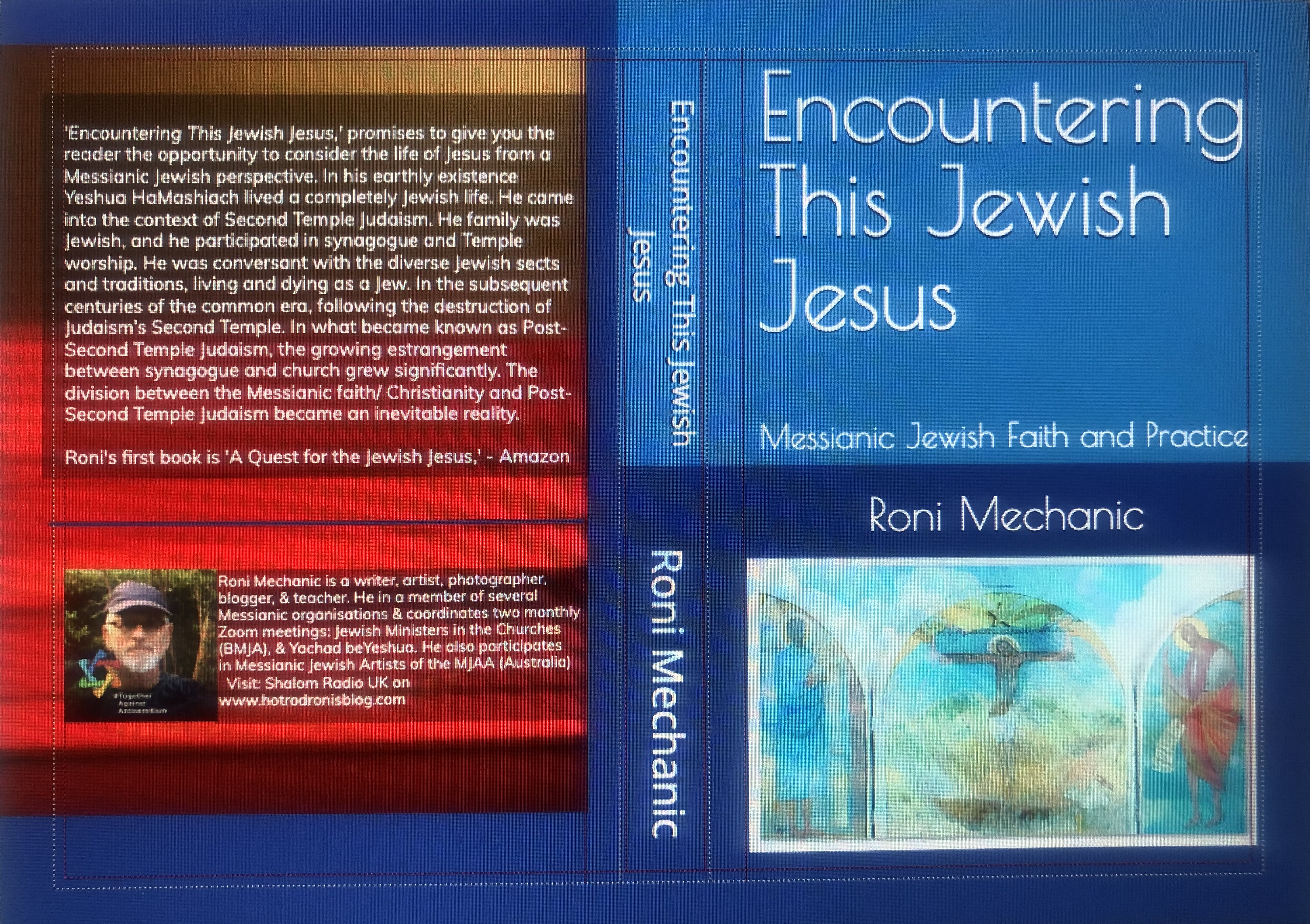
Encountering This Jewish Jesus: Messianic Jewish Faithand Practiceby Roni Mechanic | 27 Aug 2023
Available from Amazon Worldwide:
Roni’s Books Available From Amazon:
English Edition
Please make a Charitable Donation to Help with the Running Costs of this Blog: